YWCA of the Greater Capital Region: Community Guide & Services
Comprehensive guide to the YWCA of the Greater Capital Region in Troy, NY. Discover programs for support seekers, volunteers, and donors at 21 First Street.
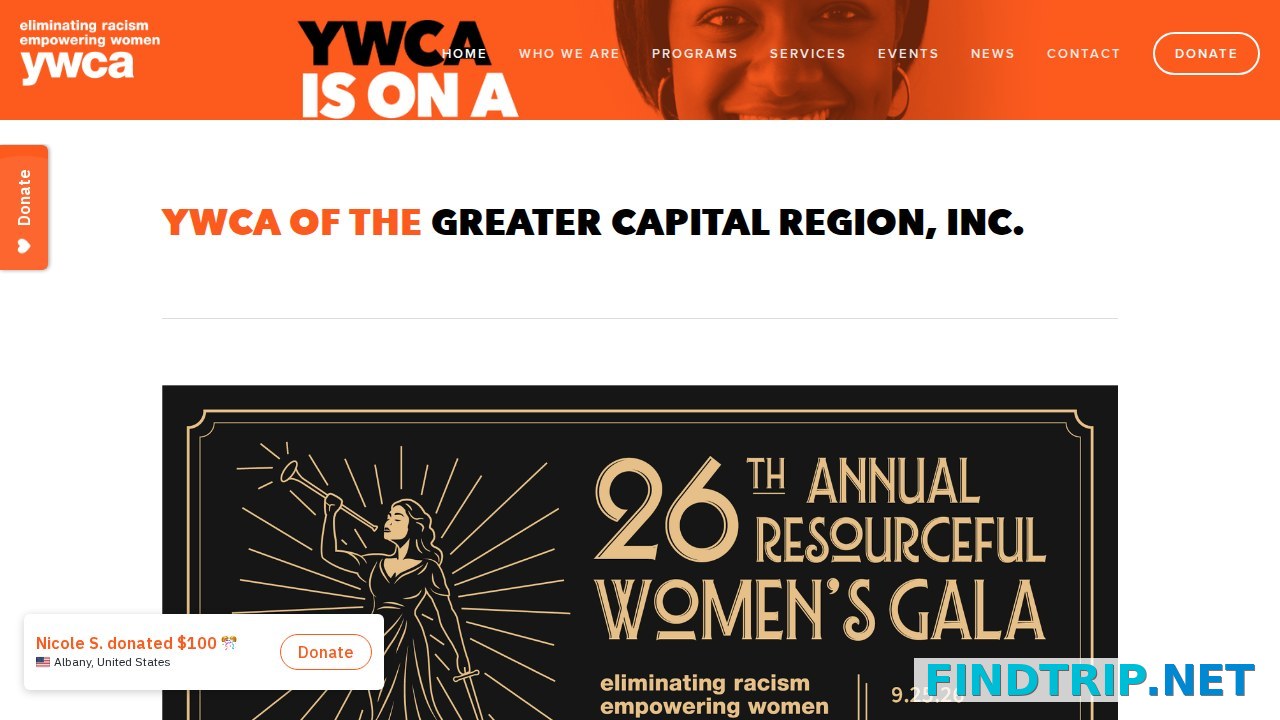
Located in the heart of Troy, New York, the YWCA of the Greater Capital Region stands as a pivotal civic anchor for the local community. Situated at 21 First Street, this facility operates at the intersection of social justice, housing stability, and community empowerment. However, stepping through its doors or engaging with its programs yields a vastly different experience depending entirely on who you are and what brings you there.
Unlike conventional commercial venues or standardized civic offices, community institutions like the YWCA of the Greater Capital Region fulfill multiple social functions simultaneously. A single building can serve as a vital lifeline for an individual in crisis, an operational hub for dedicated organizers, or an avenue for civic philanthropy for regional supporters. Understanding how to navigate this multifaceted resource ensures that whichever group you belong to, you can make the most of what the organization offers while respecting its operational realities.
---
Individual Support Seekers: Essential Programs and Immediate Assistance
For individuals navigating life transitions, housing insecurity, or personal challenges, the YWCA of the Greater Capital Region serves primarily as a trusted refuge and direct service center. The organization focuses heavily on empowering women and families through direct aid programs, supportive housing initiatives, and basic relief services.
What Support Seekers Can Expect
Visitors coming for personal assistance will find a welcoming environment tailored toward dignity and self-sufficiency. Key offerings historically centered at this location include supportive housing services, emergency assistance programs, and specialized resource distributions—such as essential clothing initiatives and hygiene assistance.
- Targeted Assistance: Programs are designed with trauma-informed care principles, ensuring that individuals seeking help encounter supportive staff members accustomed to handling sensitive situations.
- Centralized Access: Positioned conveniently in downtown Troy, the facility is easily reachable via regional public transit, lowering transportation barriers for those in urgent need.
- Holistic Empowerment: Beyond immediate relief, the center provides pathways toward long-term independence through advocacy, life-skills guidance, and educational outreach.
Practical Considerations for Applicants and Clients
- Appointment vs. Walk-In Status: While emergency relief items or basic aid may have dedicated drop-in hours, intensive services like housing intake usually require prior coordination. Visitors are strongly advised to call 518.274.7100 or email info@ywca-gcr.org beforehand to confirm current program availability and intake requirements.
- Resource Demand: Due to the high demand for community safety-net services across the Capital District, certain specialized initiatives may experience waitlists or limited capacity during peak periods.
---
Volunteers and Community Organizers: Collaborative Impact in Action
For local advocates, student volunteers from nearby universities, and grassroots organizers, the YWCA of the Greater Capital Region serves as an essential platform for systemic change. The organization’s historic legacy of community action—documented in local publications and community archives—makes it a natural focal point for social justice activism in Rensselaer County and beyond.
What Volunteers and Partners Can Expect
Community members looking to lend their time, energy, or professional skills will find an environment deeply committed to racial justice, gender equity, and neighborhood empowerment.
- Diverse Involvement Channels: Opportunities range from hands-on help with resource distribution drives and facility maintenance to assisting with special community events and educational workshops.
- Coalition Building: Working alongside the YWCA connects volunteers with a broader network of regional non-profits, civic leaders, and grassroots campaigns fighting poverty and discrimination.
- Rich Historic Context: Engaging with this location offers volunteers a direct link to Troy’s long history of labor, women's rights, and civil action, offering a meaningful context to modern volunteer work.
Practical Considerations for Volunteers
- Orientation Requirements: To protect client privacy and maintain safety standards across all residential and support programs, prospective volunteers must undergo a formal screening and orientation process before beginning their work.
- Seasonal Shifts in Demand: Volunteer needs fluctuate throughout the year, peaking during major seasonal donation drives, annual fundraisers, and community awareness events. Spontaneous drop-in volunteering is rarely accommodated.
---
First-Time Donors and Civic Supporters: Making a Targeted Local Impact
For regional residents, local business owners, and philanthropic donors looking to give back, the YWCA of the Greater Capital Region provides a tangible, highly localized avenue for charitable investment. Supplying both financial contributions and material goods, this group plays a critical role in sustaining the facility’s daily operations.
What Donors Can Expect
Philanthropists and community supporters will find an established organization with deep roots in the Capital District, offering clear pathways to see the direct impact of their contributions.
- Direct Local Relevance: Contributions directly support women, children, and families living within the local Troy and Capital Region footprint, making every dollar or donation count locally.
- Multiple Ways to Engage: Beyond monetary gifts, supporters can engage by sponsoring specific fundraising initiatives, attending annual community benefit events, or purchasing needed items from curated organizational wishlists.
- Transparent Communication: Regular communications, newsletters, and local educational materials keep donors informed about how community dollars are addressing regional issues like affordable housing and racial equity.
Practical Considerations for Donors
- Material Donation Guidelines: The YWCA maintains strict guidelines regarding physical donations (such as clothing or household items) due to storage constraints and hygiene standards. Unannounced drop-offs at 21 First Street are discouraged; donors should review active donation wishlists online or call ahead.
- Event Participation: Ticketed events and community gatherings sell out in advance. Local supporters interested in participating should monitor official announcements or join the organization’s mailing list for early updates.
---
Finding Your Place at 21 First Street
Whether you are seeking personal support, looking to dedicate your time to community advocacy, or searching for an impactful charitable partner in the Capital Region, the YWCA of the Greater Capital Region provides tailored pathways for engagement.
- If you need assistance: Reach out directly via telephone (518.274.7100) or email (info@ywca-gcr.org) to speak with staff regarding intake procedures, program eligibility, and current schedule details before planning your journey to the facility.
- If you want to volunteer: Contact the program management team early to navigate the application and orientation steps required for active community placement.
- If you plan to donate: Verify active material needs or contribute through official digital channels to ensure your generosity directly aligns with the immediate, real-time needs of the individuals served.
By approaching this vital Troy institution with a clear understanding of its distinct operational roles, every visitor can forge a meaningful, productive relationship with one of the region’s most enduring community hubs.