Waterford Historical Museum and Cultural Center: Visitor Guide & Policies
Planning a visit to the Waterford Historical Museum & Cultural Center? Check operating hours, research policies, and canal history exhibits before you go.
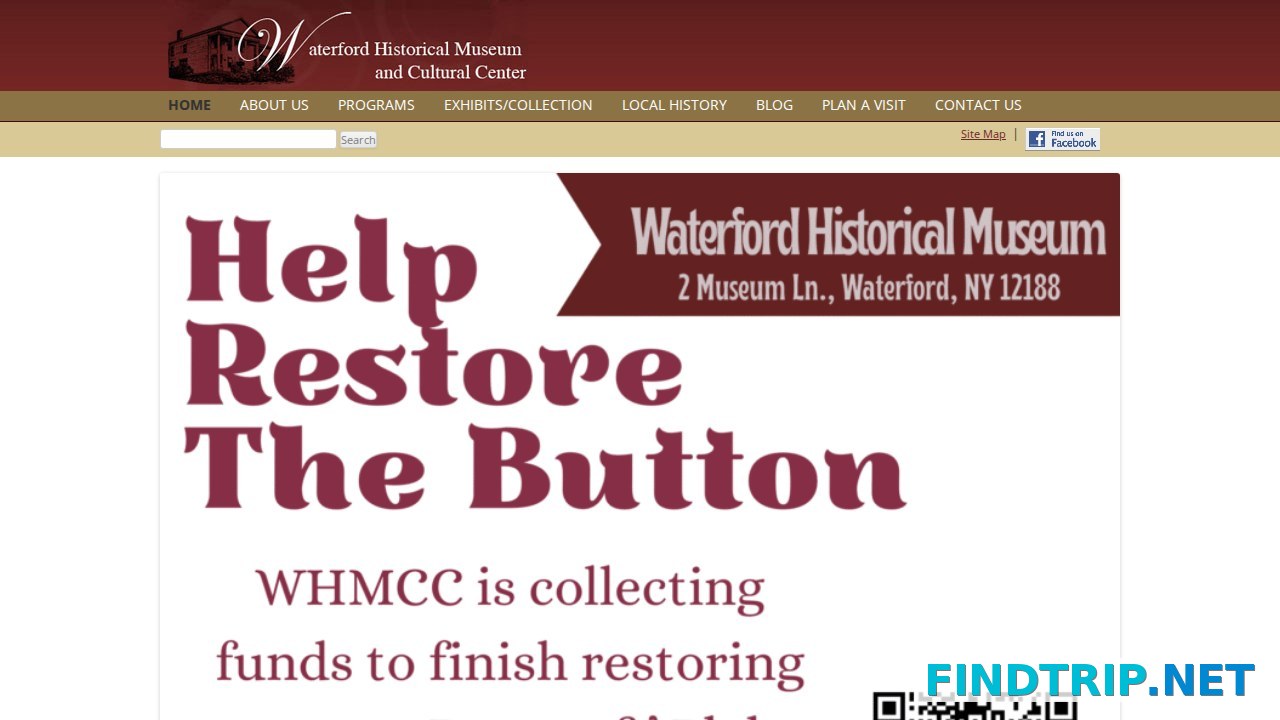
Before setting out to explore local history in upstate New York, travelers and researchers should realize that small-town cultural institutions operate under very different expectations than large city museums. The Waterford Historical Museum and Cultural Center, situated near the junction of the Hudson and Mohawk Rivers, offers valuable local archives and exhibits. However, visiting without checking operational constraints ahead of time can lead to a closed door or unmet expectations.
As a seasonal, non-profit facility housed in a historic building, the museum operates with limited staff, variable hours, and precise policies for archival research. Knowing these boundaries in advance ensures a smooth trip rather than a wasted drive.
---
What You Must Check on the Official Site Before Your Trip
Because the museum relies heavily on volunteer efforts and seasonal scheduling, you should review specific administrative details on their official portal prior to traveling or submitting research queries:
- Seasonal Operating Hours and "Off-Season" Status: The museum does not maintain identical public hours year-round. During winter months, regular gallery access is often restricted or switched to appointment-only status. Always verify current gallery hours on the museum calendar before driving to Museum Lane.
- Research Library Rules and Signature Requirements: The George and Anabel O'Connor Research Library is a specialized historic archive, not a public lending library. Accessing genealogy files or municipal records requires reviewing their strict Research Policy, signing a formal agreement, and adhering to staff guidance.
- Duplication Fees and Image Licensing: If you intend to request duplicate documents or high-resolution copies of historical photographs, review the fee schedules on their website beforehand to understand processing costs and turnaround times.
- Special Event and Lecture Schedules: Programs such as the Winter Lecture Series, local history presentations, or hands-on historic demonstrations require advance registration or separate scheduling from standard museum admission.
- Group Tour Reservations: Group visits, student tours, and docent-led walks must be coordinated weeks in advance to ensure volunteer docents are available to open galleries and lead discussions.
---
Exploring the Collection: Canal History, Artifacts, and Archives
If your schedule aligns with their operational calendar, the museum offers a focused and historically rich look at Waterford’s role as the gateway to the Erie and Champlain Canals.
Historic Setting at the Hugh White Homestead
The museum resides in the historic Hugh White Homestead, providing an authentic backdrop for late 18th- and 19th-century regional life. The physical structure itself serves as part of the narrative, giving visitors context regarding early industrial settlement in Saratoga and Albany Counties.
Erie Canal and Waterway Heritage
Waterford’s identity is tied directly to New York state’s canal network. Inside the galleries, visitors will find:
- Exhibits such as "Locks & Rivers", exploring how civil engineering transformed trade and community growth.
- A detailed Lock 4 Model, illustrating the mechanics of canal locks that elevated barges along the historic route.
- Exhibits dedicated to Canvass White and early civil engineering breakthroughs that made the Erie Canal system possible.
Community Restoration and Specialty Artifacts
The collection stretches beyond waterway infrastructure into community service history:
- Historic Firefighting Equipment: The museum actively works on preserving pieces like the 1857 Button & Blake Fire Engine Co. Hand-pumper, highlighting local firefighting advancements and manufacturing in 19th-century Waterford.
- Family-Friendly Engagement: Interactive tools like the Audio Tour and the Homestead Hunt provide structured self-guided activities for younger visitors and family groups.
Local Genealogy and Municipal Records
For researchers, the O'Connor Research Library houses property records, family histories, and historical documentation specific to Waterford and surrounding river communities. While the archive is modest in physical size, it contains primary materials unavailable in broader digital databases.
---
Who Benefits Most from Visiting
Despite schedule limits and strict archival policies, specific types of visitors will find the Waterford Historical Museum and Cultural Center highly rewarding:
- Genealogists and Family Historians: Researchers seeking family connections in eastern Saratoga County or early canal town settlements can access unique local collections, provided they book research access ahead of time.
- Canal and Engineering Enthusiasts: Travelers following the Erie Canalway National Heritage Corridor or exploring nearby sites like the Waterford Flight of Locks will appreciate the deep contextual exhibits on lock design and local river engineering.
- Regional History Buffs: Visitors interested in upstate New York's industrial evolution, early volunteer firefighting equipment, and 19th-century architecture will find genuine, community-preserved artifacts.
- Quiet Day-Trippers: Those who prefer quiet, self-paced cultural sites over crowded tourist hubs will enjoy the subdued atmosphere surrounding Museum Lane and nearby historic walking trails.
---
Final Assessment
A trip to the Waterford Historical Museum and Cultural Center is well worth making if you plan around seasonal gallery hours and review library access policies prior to arrival. Visitors who treat the site as a small, community-funded archive—checking the schedule online and confirming volunteer availability—will discover a rich, well-preserved look into New York’s canal and civic history.