Visitor Etiquette and Dress Code Guide for Minisink Heritage Museum
Essential visitor guide for Minisink Heritage Museum. Learn dress code tips, rules, appointment guidelines, and etiquette for tours and history research.
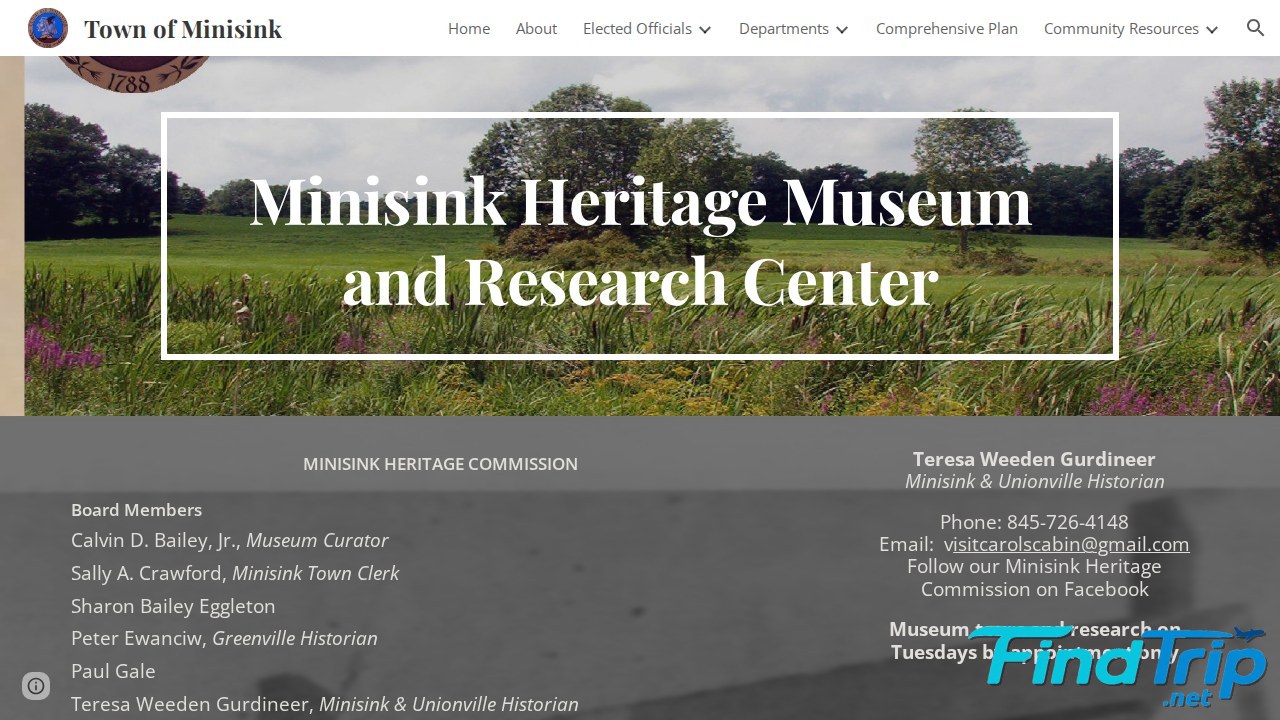
Planning a visit to a local history center requires a bit of preparation, especially when the site serves as both a museum and an archival research center. The Minisink Heritage Museum, operated under the guidance of the Minisink Heritage Commission, holds valuable historical collections, records, and artifacts detailing the regional story. Whether you are conducting genealogical research, studying local history, or taking a curated tour, understanding proper decorum and practical dress expectations will make your visit smooth and productive.
This guide outlines everything you need to know about clothing guidelines, entry requirements, respectful conduct inside the facility, and key rules to follow during your time at the Minisink Heritage Museum.
---
Official Dress Code and Entrance Guidelines at Minisink Heritage Museum
When preparing to visit the Minisink Heritage Museum, many travelers wonder if there is an official or strict dress code.
Based on official municipal guidelines, there is no formal dress code required to enter the museum. You do not need formal business attire, suits, or high-end clothing. However, because the museum operates as a preserved historical environment and research facility, visitors are expected to wear neat, practical, and respectful casual attire.
Key Entry Requirements
The most critical rule regarding entry to the museum is not what you wear, but how and when you schedule your visit:
- Tours and On-Site Research Are by Appointment Only: General drop-in visits without prior booking are not supported. On-site tours and historical research sessions are conducted exclusively on Tuesdays by appointment.
- Advance Scheduling: Visitors must request access ahead of time by emailing the designated commission contacts (`visitcarolscabin@gmail.com` or `historian@townofminisink.com`) or by calling `845-726-4148`.
- Verification on Arrival: Arrive with your scheduled appointment time confirmed. Because access is tailored to individual appointments, arriving unannounced may result in finding the facility closed or unavailable for tours.
Knowing these scheduling rules ensures you will not be turned away at the door regardless of what you are wearing.
---
Recommended Attire and What to Bring
Although the dress code is casual, choosing the right outfit and preparing the right materials will significantly improve your comfort, especially if you spend several hours reviewing documents or standing near exhibit cases.
Clothing Recommendations
Select comfortable, modest, and functional clothing suitable for an indoor museum and archival space:
- Layered Clothing: Indoor temperatures in historical buildings and research rooms can fluctuate to protect fragile records. Wearing a light jacket, cardigan, or sweater over a comfortable shirt allows you to adapt quickly if the room feels cool or warm.
- Modest Casual Wear: Standard casual clothes—such as jeans, trousers, button-up shirts, polo shirts, or casual dresses—are entirely appropriate. Avoid clothing with offensive graphics, overly revealing cuts, or excessively loose straps that could accidentally drag across historical display cases.
- Footwear: Wear comfortable, closed-toe walking shoes or flat sneakers. You may be standing on hard floors during tours or walking through archive storage areas. High heels or unstable sandals are discouraged, as they can cause fatigue and present a trip hazard near delicate displays.
What to Bring for Your Tour or Research Session
To ensure a smooth experience during your appointment, come prepared with the following items:
| Category | Recommended Items | Purpose / Etiquette Reason |
| :--- | :--- | :--- |
| Identification & Confirmation | Photo ID and email/phone appointment confirmation | To verify your scheduled Tuesday booking with museum staff. |
| Research Tools | No. 2 pencils and paper notebooks | Ink pens can permanently damage archival documents; pencils are standard archival practice. |
| Digital Devices | Mobile phone or tablet (set to silent) | Useful for taking digital notes or reference photos if permitted by the curator. |
| Personal Essentials | Small purse, lightweight tote, or pouch | Large backpacks can knock over display items in tight museum corridors. |
---
Polite Conduct and Courtesy Inside the Museum
The Minisink Heritage Museum is maintained with the dedication of local historians, board members, and volunteer curators—including Museum Curators Calvin D. Bailey, Jr. and Laurence Hansen, along with town historians like Teresa Weeden Gurdineer. Showing proper courtesy helps preserve the welcoming atmosphere and protects the historical assets.
1. Punctuality and Arrival Etiquette
Because tours and research take place on Tuesdays strictly by appointment, punctuality is essential.
- Arrive on Time: Try to arrive 5 to 10 minutes before your scheduled slot. If you are running late or need to cancel, contact the museum at `845-726-4148` or email your contact as early as possible out of respect for the staff's time.
- Check-In: Greet the curator or historian on duty upon arrival. Let them know the purpose of your visit (e.g., general museum tour, specific family genealogy, or local history research) so they can guide you effectively.
2. Queueing and Respecting Shared Spaces
While appointment slots keep visitor traffic manageable, you may share research tables or exhibition spaces with other guests or researchers:
- Wait Your Turn: Allow other visitors adequate space to view exhibit cases, photographs, or wall displays before stepping closer.
- Keep Pathways Clear: Avoid blocking narrow walkways or doorways with personal belongings or tripod equipment.
3. Noise Level and Communication Courtesy
The museum doubles as a quiet research space where community members and researchers study local records.
- Silencing Phones: Switch your mobile phone, tablet, and smart watch to silent or vibrate mode before stepping inside.
- Voice Level: Maintain a low, conversational tone when speaking with curators, guides, or companions.
- Phone Calls: If you must take an urgent phone call, excuse yourself and step outside the building or away from the primary exhibit and research areas.
---
Restricted Actions and What to Avoid
To protect sensitive historical paper, antique artifacts, and the safety of all visitors, the Minisink Heritage Museum maintains several clear operational boundary rules.
Prohibited Actions Summary
- No Unscheduled Walk-Ins: Entering or demanding a tour on days other than Tuesdays, or on Tuesdays without an appointment, is strictly prohibited.
- No Food, Drinks, or Chewing Gum: Liquids, snacks, and gum present a immediate spill and residue risk to centuries-old documents, wooden artifacts, and textiles. All food and drinks must remain outside or sealed securely in your bag.
- Do Not Touch Artifacts Without Permission: Never touch glass display cases, framed photographs, or unencased historical objects unless a curator explicitly hands them to you or grants permission. Finger oils can degrade old materials over time.
- Ink Pens Near Archives: When reviewing historical logs, maps, or manuscripts, never use ballpoint pens, fountain pens, or markers. Accidental ink marks cannot be removed from original historical papers. Always use lead pencils.
- Flash Photography Restrictions: While casual non-flash photography may be allowed in certain exhibit sections, flash photography can fade delicate papers and dyes over time. Always ask the curator on duty before taking any photos inside.
---
Summary and Key Takeaways for Visitors
Visiting the Minisink Heritage Museum offers a fascinating look into local history, provided you plan ahead and respect the facility's guidelines.
- Dress Code: Practical, clean casual wear with comfortable walking shoes and light layered clothing.
- Schedule Requirement: Tuesdays by appointment only. No drop-ins allowed.
- Etiquette Essentials: Turn phones to silent, speak softly, use pencils for research, and never bring food or drinks near display areas.
- Location Address: Amity, Allegany County, New York, US.
- Appointments & Enquiries:
- Phone: 845-726-4148
- Tour Booking Email: `visitcarolscabin@gmail.com`
- Online History Research Email: `historian@townofminisink.com`
By following these simple dress code suggestions and etiquette standards, you will ensure a rewarding, hassle-free visit while helping preserve local heritage for future generations.