Visiting The New Weis Center for Education, Arts & Recreation: Seasonal Guide
Plan your visit to The New Weis Center for Education, Arts & Recreation. Discover seasonal hiking highlights, historical sites, and trail expectations.
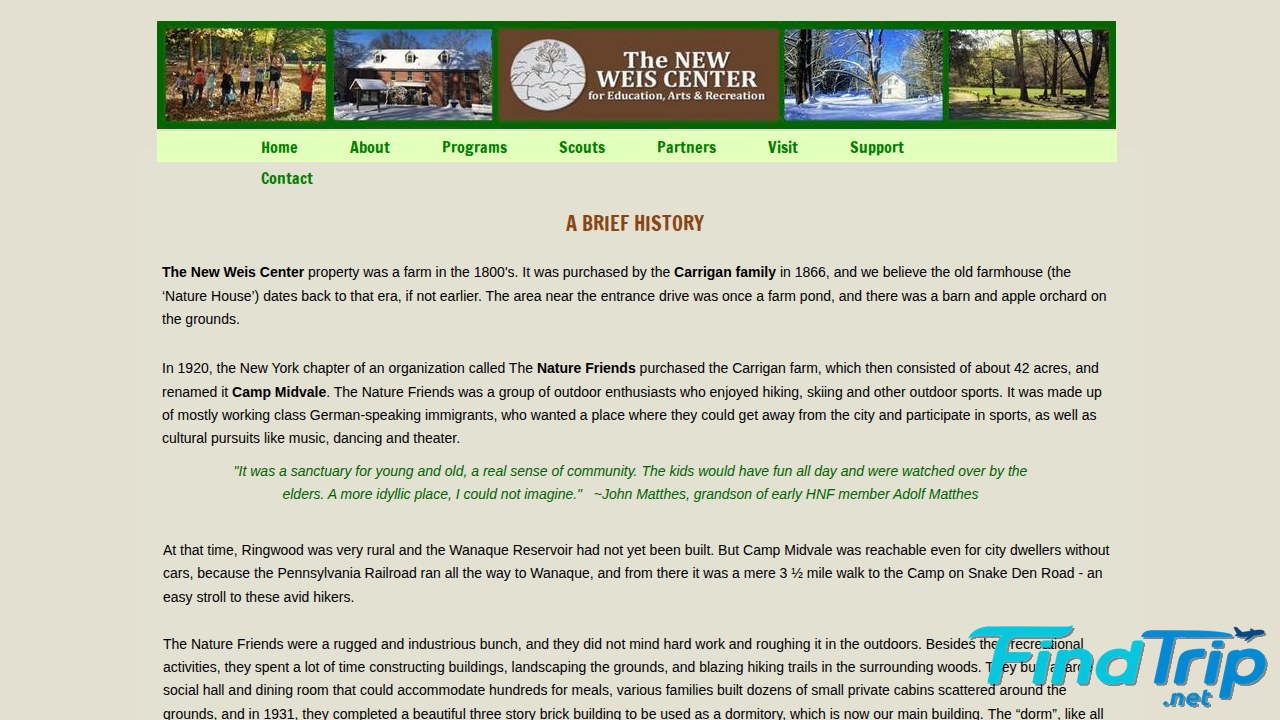
Choosing the right time of year to visit The New Weis Center for Education, Arts & Recreation depends heavily on what kind of outdoor experience you want. Nestled within a rich historical landscape of mature woodlands, natural streams, and historic structures, this 152-acre property changes dramatically with the passage of the seasons.
Whether you are looking to walk forested trails along mountain streams, observe local wildlife, or explore over a century of outdoor recreation history, understanding seasonal variations will help you plan an effective trip. The peak months from late spring through early autumn offer full access to lush canopy trails and vibrant outdoor programs, while late autumn and winter present a quieter, starker landscape ideal for crisp solitude and clear views of historical features.
---
Peak Season Experience: Spring, Summer, and Early Autumn
The primary season to experience The New Weis Center for Education, Arts & Recreation spans from late spring through early autumn. During these warmer months, the 152-acre sanctuary comes alive with dense forest foliage, flowing waterways, and active outdoor usage that highlight both its ecological value and rich cultural past.
Lush Forested Trails and Natural Features
Spring and summer provide the best conditions for exploring the network of hiking trails that weave across the center's grounds and connect into surrounding protected state forest lands.
- Blue Mine Brook Corridor: Following the path along Blue Mine Brook offers cool shade and the sound of rushing water during spring snowmelt and early summer rains. The brook serves as a historical water source for the region and forms a scenic backbone for gentle hikes.
- Otter Hole Trail & Winfield Farm: Hiking upstream along the Otter Hole Trail reveals historical remnants of the 19th-century Winfield Farm, an old horse farm that was eventually incorporated into the preserved property acreage.
- Evergreen Groves: Summer sunlight filters through mature stands of evergreen trees planted decades ago by early conservationists, creating sheltered canopy sections that stay notably cooler than open fields.
Historic Architecture and Open Recreation Grounds
During the warmer half of the year, the physical heritage of the site is easiest to appreciate on foot. Originally purchased in 1920 as Camp Midvale by a group known as The Nature Friends—mostly working-class, German-speaking immigrants who valued outdoor recreation—the grounds still feature unique architecture built almost entirely by volunteer craftsmen.
- The Main Dormitory Building: Completed in 1931, this substantial three-story brick structure served as a dormitory for weekend visitors escaping urban areas. Built with sturdy craftsmanship by professional trade volunteers (carpenters, stone masons, and bricklayers), it remains the focal point of the center.
- 1920s Rustic Cabins: Scattered throughout the wooded grounds are small private family cabins dating back to the 1920s. In summer, walking among these rustic structures gives visitors a clear window into early 20th-century weekend cabin culture.
- Recreation Fields: The open grassy fields near the main building—historically used for outdoor gathering, basketball, and community events—provide ample space for open-air educational gatherings and relaxing under the sun.
- Proximity to Nearby Features: Just adjacent to the property sits the Highlands Natural Pool, a freshwater swimming pool originally hand-carved out of the hillside in 1936 by the Nature Friends. While the pool has been independently managed by a separate non-profit entity since 1996, its physical proximity adds to the historic recreational atmosphere of the area during summer months.
Educational and Community Atmosphere
In spring and summer, the legacy of environmental education established when the property became the Weis Ecology Center in 1974 (endowed by May H. and Walter M. Weis) is on full display. Nature programs, youth activities, and community events make full use of the outdoor classroom spaces, historic farm sites (tracing back to the 1800s Carrigan farm and "Nature House"), and forested habitats.
---
Visiting in Off-Peak Months: Late Autumn and Winter
While warm weather draws the most visitor traffic, late autumn and winter offer a distinctly different, highly peaceful perspective on The New Weis Center for Education, Arts & Recreation.
Unobstructed Views and Historic Discoveries
When deciduous trees shed their leaves in late fall, the physical contours of the land and hidden historical infrastructure become much easier to see.
- Revealed Foundations and Masonry: Bare trees allow hikers to spot subtle historical markers across the 152 acres, including old stone foundations, ancient field walls from the original 1800s farmstead, and details of the early 20th-century cabin layouts that are obscured by dense summer leaf cover.
- Winter Canopy Contrast: The evergreens planted by early Nature Friends members stand out starkly against the bare hardwoods, highlighting the deliberate forest management and land-use choices made nearly a century ago.
- Quiet Trail Walking: Winter trails along Blue Mine Brook offer solitude. Icicles form along rock faces and stream banks, making winter walks crisp and visually striking for those prepared with cold-weather gear and proper footwear.
Historical Winter Context
Historically, winter was an active season on these hills. Early Nature Friends members built a simple ski run on the hill behind the recreation field, embracing winter sports alongside summer hiking. While modern visits focus on low-impact trail walking and scenic appreciation, the terrain still reflects its history as a year-round outdoor haven.
Seasonal Operational Considerations
Visiting during the off-season requires a bit more advanced preparation compared to summer:
- Weather Conditions: Trails can become icy, snowy, or muddy following winter storms. Proper hiking boots with good traction or microspikes are strongly recommended.
- Shorter Daylight Hours: Deep forest hollows lose sunlight quickly in winter afternoons. Plan early visits to ensure return to main parking areas well before dusk.
- Facility Access: Unlike summer when outdoor areas are frequently bustling, winter building access and indoor facilities may have scaled-back schedules. Visitors should check directly with the center beforehand regarding indoor access, restroom availability, or structured programming.
---
Seasonal Comparison Summary
| Season | Best For | What to Expect | Important Considerations |
| :--- | :--- | :--- | :--- |
| Spring | Stream views, wild flora, mild hiking weather | Rushing water in Blue Mine Brook, budding trees, comfortable temperatures | Muddy trail sections; bring water-resistant footwear |
| Summer | Full forest canopy, history walks, outdoor events | Dense green forest, active outdoor usage, full access to historical cabin grounds | Warmer humidity, bugs on low trails; carry insect repellent and water |
| Early Autumn | Fall foliage, crisp air, ideal hiking conditions | Vibrant foliage colors across 152 acres, excellent trail conditions | Peak weekend trail traffic; plan morning visits for quiet walks |
| Winter | Solitude, historical sightseeing, clear views | Bare trees revealing land contours and stone structures, quiet trails | Ice on trails, early sunset times; wear warm layers and sturdy boots |
---
Planning Your Visit and Practical Advice
To make the most of a visit to The New Weis Center for Education, Arts & Recreation, visitors should keep several practical guidelines in mind regardless of the time of year.
Confirming Details and Schedules
Operating hours for specific facilities, educational program registrations, special events, and main office access can vary throughout the year.
- Official Verification: Because administrative hours and program calendars change seasonally, visitors should always verify current facility access and event schedules directly through official center communications prior to traveling.
- Independent Operations: Note that adjacent facilities, such as the Highlands Natural Pool, operate independently with separate seasonal hours, fees, and rules. Do not assume facility schedules are identical across neighboring properties.
Location and Access Information
- Address Record: Amity, Allegany County, New York, US. (Note: Visitors should always confirm specific driving directions and designated parking entry points on official center guides prior to departure, as historic site boundaries connect directly into broader regional state forest systems).
Trail Safety and Preservation Guidelines
The land managed by The Highlands Nature Friends, Inc. is preserved to protect natural habitat and local history. Visitors are asked to practice responsible outdoor ethics:
- Stay on Marked Trails: Stepping off designated paths can cause soil erosion, damage delicate native plants, or disturb wildlife habitats.
- Respect Historic Structures: The main 1931 brick dormitory, original farmhouse, and scattered 1920s cabins are valuable historical assets. View and photograph structures from designated areas without climbing or tampering with historic wood and masonry.
- Pack It In, Pack It Out: Carry out all trash and food scraps to keep the grounds clean for wildlife and future visitors.
- Dress Appropriately: Wear sturdy walking shoes or hiking boots, carry adequate drinking water, and dress in layers appropriate for shifting forest temperatures.
Whether you visit in the lush warmth of summer to wander among historic cabins under pine canopies, or in the crisp quiet of winter to trace old farm trails along frozen brooks, The New Weis Center for Education, Arts & Recreation offers a rare blend of environmental stewardship and community history worth exploring in every season.