User Guide to Stewart Preserve: Step-by-Step Experience and Trail Usage
Complete step-by-step guide to visiting Stewart Preserve in NY. Learn trail navigation, parking rules, orange and blue trail details, and safety tips.
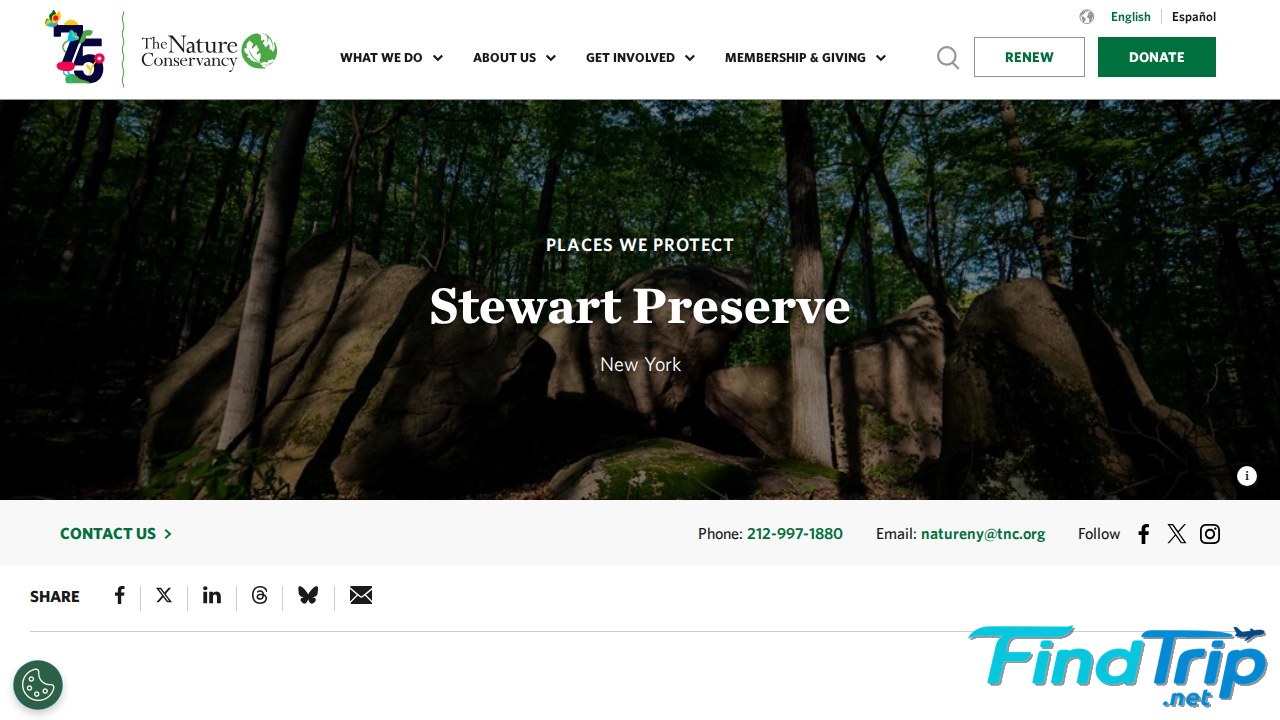
Stewart Preserve is a serene 123-acre nature sanctuary located across the towns of Sand Lake and Nassau in Rensselaer County, New York, within easy reach of the broader Albany County and Watervliet region. Managed by The Nature Conservancy (TNC), this protected area features mature hardwood forests, hemlock groves, spring-fed lowlands, and rich agricultural history evidenced by stone walls built over a century ago.
Acquired in 1966 through donations by Dorothy England and George Cooley, the preserve honors the memory of Dorothy’s son, Stewart, who tragically lost his life in a logging accident on nearby Bearcat Mountain. Unlike standard city or county parks, Stewart Preserve operates as a primitive conservation space. There are no paved trails, rest stops, public restrooms, or trash receptacles.
To ensure a safe, enjoyable visit while protecting this sensitive ecological habitat, visitors must follow a structured approach to planning, checking in, and navigating the terrain. This step-by-step guide outlines everything you need to know to properly utilize Stewart Preserve.
---
Step 1: Pre-Visit Preparation and Permit Verification
A successful excursion to Stewart Preserve begins long before you reach the trailhead. Because the property is managed for nature conservation rather than high-density recreation, proper advance preparation is mandatory.
```
+-------------------------------------------------------------------+
| PRE-VISIT CHECKLIST |
+-------------------------------------------------------------------+
| [ ] Download official PDF Trail Map onto your phone or print it. |
| [ ] Verify open status (Dawn to Dusk year-round). |
| [ ] Check Hunting Season dates & secure written TNC permit if needed.|
| [ ] Wear sturdy, waterproof hiking boots (muddy conditions). |
| [ ] Pack essential supplies: Water, snacks, rain gear, bug spray.|
+-------------------------------------------------------------------+
```
1. Download Trail Maps Ahead of Time
Cellular service can be spotty or unreliable throughout rural portions of Rensselaer and Albany Counties. Download the official PDF trail map directly from The Nature Conservancy's website prior to departing. Do not rely on real-time mobile data at the trailhead.
2. Verify Seasonal and Hunting Regulations
Stewart Preserve is open year-round from dawn until dusk. However, special precautions apply during active hunting seasons:
- Public Access During Hunting Season: The preserve remains open to hikers, but hunting is strictly regulated.
- Hunting Requirements: Written permission from The Nature Conservancy is required to hunt on Conservancy lands. Unpermitted hunting is strictly prohibited. If you intend to hunt, you must apply through TNC's New York hunting program beforehand.
- Safety Gear: Hikers visiting during autumn hunting seasons should wear high-visibility blaze orange clothing.
3. Pack the Correct Gear
The terrain includes moderate hills, roots, and muddy patches. Your pack should contain:
- Sturdy, broken-in hiking boots with good tread.
- Adequate drinking water and light snacks (carry-in, carry-out).
- Seasonal outerwear, including rain gear and bug repellent for spring/summer ticks and mosquitoes.
---
Step 2: Arrival, Trailhead Check-In, and Parking Protocol
Upon reaching the site in the Nassau/Sand Lake area, visitors must observe strict arrival protocols due to limited infrastructure.
| Facility / Feature | Detail / Availability | Visitor Action Required |
| :--- | :--- | :--- |
| Parking Lot | Extremely Limited (2 spaces) | Have a backup plan if lot is full; do not block roadways. |
| Restrooms / Water | None available | Use facilities in nearby towns prior to arrival. |
| Sign-in Box | Located at the main trailhead | Register your entry and party size in the logbook. |
| Trash Services | None (Carry-In / Carry-Out) | Take all wrappers, bottles, and food scraps with you. |
1. Navigating the Parking Area
The parking area at Stewart Preserve accommodates only 2 vehicles.
- Parking Rules: Park tightly and conscientiously within the designated space without encroaching on public roadways or private driveways.
- If Parking is Full: Do not park illegally on roadside shoulders or block access gates. If the 2 spaces are occupied, plan to visit another nearby natural area or return at a later time.
2. Registering at the Trailhead Sign-In Box
At the main entry point along the trail, locate the wooden trail sign-in box. Registration serves two important purposes:
- It assists rescue operations in the event of an emergency.
- It provides TNC with vital user metrics to secure funding and allocate maintenance resources.
Open the box, record your name, date, time of entry, party size, and intended route, then ensure the box door is securely latched to protect the paper log from rain.
---
Step 3: Navigating the Main Orange Trail Loop
The Orange Trail serves as the primary artery of Stewart Preserve. It covers 1.1 miles in a loop configuration starting directly from the parking area.
```
[ Trailhead / Sign-In Box ]
|
( Orange Trail ) <--- 1.1 Mile Main Loop
| - Mature Pine & Hardwoods
| - Historical Stone Walls
| - Giant Oaks & Beech Trees
+-----> [ Blue Trail Junction ]
|
+---> 0.5 Mile Ridge Spur
- Steep Climb (up to 36%)
- Leaf-off Overlook
```
1. Understanding Trail Conditions and Grades
- Distance: 1.1 miles (loop).
- Grade: Typical incline is around 12%, but select pitches reach up to 36%.
- Footing: Expect natural forest floor cover, exposed tree roots, stone crossings, and muddy sections—particularly during spring snowmelt or after rainstorms.
2. Key Highlights Along the Orange Trail
As you traverse the Orange Trail, observe the ecological and historical features that define this 123-acre preserve:
- Agricultural History: The trail crosses several prominent dry-laid stone walls. These mark historical property boundaries and pastures from the 19th and early 20th centuries, when much of the eastern portion was actively farmed until the 1920s, and the western portion was logged and grazed until around 1950.
- Giant Oak and Beech Specimens: Look for ancient pasture oaks left behind by early farmers to provide shade for livestock. Notable specimens include giant oaks up to 50 inches in diameter along the old stone fences, as well as a massive American beech tree featuring a 32-inch trunk diameter and a 100-foot canopy spread.
- Hemlock Groves & Hardwood Canopy: The trail transitions between oak-sugar maple hardwood stands and cooling, dense hemlock groves.
- Spring Wildflowers & Ferns: Lowland areas host 22 species of ferns, 6 fern allies, and early spring blooms such as violets, hepatica, miterwort, foamflower, baneberry, and starflower.
---
Step 4: Exploring the Blue Trail Ridge and Exiting Safely
For hikers seeking additional elevation gain and scenic viewpoints, the Blue Trail offers a short, challenging spur off the main Orange Trail.
1. Transitioning to the Blue Trail
- Junction Point: The Blue Trail branches directly off the Orange Trail.
- Distance & Profile: The Blue Trail is a 0.5-mile loop that climbs to an elevated ridge line.
- Difficulty: The average grade remains moderate at 12%, but the climb up to the ridge features steep pushes up to 36% grade. Exercise caution during wet or icy conditions.
2. Enjoying the Ridge Overlook
Upon reaching the top of the ridge along the Blue Loop, hikers are rewarded with an expansive forest overlook.
- Best Viewing Time: The view is most clear during late autumn, winter, and early spring ("leaf-off" conditions) when the tree canopy is bare.
- Hemlock Stand: A distinct hemlock grove sits near the start of the Blue Trail climb, offering cool shade and vibrant evergreen foliage year-round.
3. Completing the Loop and Checking Out
After returning from the Blue Loop onto the main Orange Trail:
1. Continue following the orange blazes until you return to the original trailhead sign-in box.
2. Sign out in the register book to notify land managers that your party has safely exited the property.
3. Pack out all belongings and trash. Verify that no gear, wrappers, or personal items are left behind in the parking area.
---
Common Mistakes and Hazards to Avoid
Visiting Stewart Preserve requires adherence to land management rules. Avoiding these common mistakes will ensure your safety and protect the preserve's delicate ecosystem:
- Expecting Restrooms or Water Refills: There are no facilities on-site. Visitors who arrive without adequate water or who require public restrooms will be forced to leave prematurely.
- Parking Illegally when Lots are Full: With only 2 parking spaces available, visitors sometimes park on private land or narrow roadside shoulders. This creates traffic hazards and damages relations with local landowners.
- Unauthorized Hunting or Off-Leash Use: Hunting without explicit written permission from The Nature Conservancy is illegal. Camping, open fires, littering, and off-trail motorized vehicles are strictly forbidden.
- Removing Flora, Fauna, or Historical Artifacts: Removing wildflowers, ferns, timber, or stones from historical farm walls is prohibited.
- Underestimating Mud and Terrain: Spring visitors often wear sneakers, resulting in slipped ankles or off-trail erosion when hikers attempt to step around mud puddles. Always walk directly through the center of muddy trail sections or wear waterproof boots to avoid widening the path.
---
Final Visitor Summary
Stewart Preserve offers a pristine window into Eastern New York’s natural beauty and agricultural past. By respecting parking limits, registering at the trailhead logbook, staying on marked orange and blue trails, and practicing strict Leave No Trace ethics, visitors can help protect this 123-acre sanctuary for generations to come.
For official inquiries regarding conservation policies, group access, or written hunting permits, contact The Nature Conservancy in New York directly:
- Phone: 212-997-1880
- Email: natureny@tnc.org
- Official Website: nature.org