Tiny Diny in Landkreis Biberach: Dietary Needs & Allergen Guide
Guide to dietary needs, vegetarian options, and allergen labeling at Tiny Diny in Landkreis Biberach. Learn how to inquire safely when ordering.
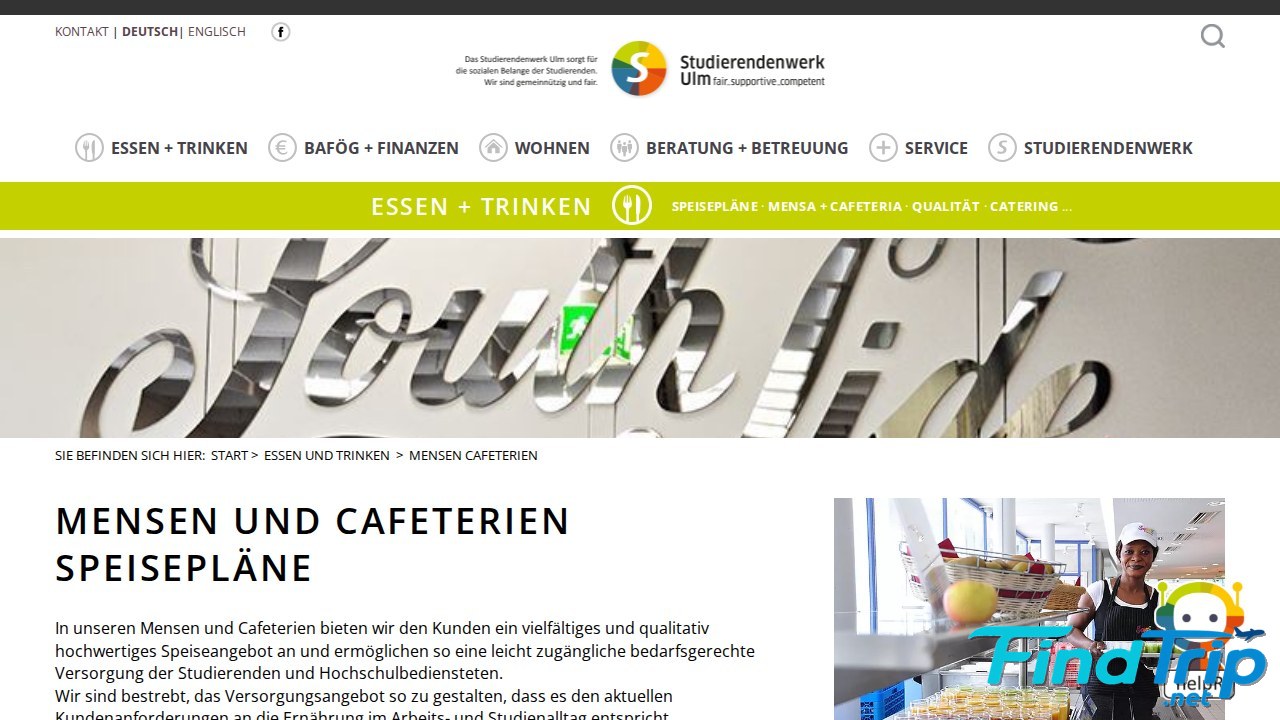
For students, staff, and visitors dining at campus food service venues in Germany, understanding how dietary needs and food allergies are managed is essential. Tiny Diny, located in Landkreis Biberach within the federal state of Baden-Württemberg, operates within the broader dining landscape overseen by regional student services (Studierendenwerk Ulm). When visiting campus dining halls (Mensen) and cafeterias across the region, patrons encounter standardized approaches to food preparation, ingredient labeling, and daily menu planning.
Whether you follow a strict vegan lifestyle, adhere to a vegetarian diet, or suffer from severe food allergies such as celiac disease or nut sensitivities, knowing how to navigate the available food options ensures both safety and peace of mind. This guide details the dietary frameworks applied across regional dining operations, provides actionable advice on communicating your dietary requirements at the service counter, and explains why direct verification on-site is essential whenever official ingredient disclosures are unavailable.
---
Overview of Dietary Options and Allergen Labeling at Tiny Diny
Regional campus dining infrastructure in Baden-Württemberg operates under strict guidelines regarding food safety, allergen transparency, and dietary diversity. The governing organization, Studierendenwerk Ulm, coordinates dining facilities across several university and college locations, including the Biberach region (HBC Biberach), Ulm, Aalen, Schwäbisch Gmünd, and Heidenheim. Across these facilities, dietary options are organized around clear institutional standards designed to meet modern nutritional preferences.
Vegetarian and Vegan Offerings
Plant-based nutrition is a central component of campus dining menus across the region. Standard operations actively integrate dedicated vegetarian (vegetarisch) and vegan (vegan) meal lines.
- Vegetarian Choices: Daily menus regularly feature meat-free mains, warm snacks, and side dishes. These items typically include dairy or egg products but exclude all forms of meat, poultry, and fish.
- Vegan Choices: Plant-based dishes containing no animal derivatives whatsoever (no dairy, eggs, honey, or animal fats) are made available across main dining facilities and select cafeteria snack counters.
- Organic and Sustainable Sourcing: Dining menus frequently incorporate certified organic ingredients (Bio-Lebensmittel), fair-trade goods, and dishes assessed using carbon footprint and climate metrics (CO2 und Klima-Score).
Official Allergen Tracking and Disclosures
European Union food regulations require commercial and institutional food service providers to inform consumers about the presence of fourteen major food allergens. Within the regional dining framework:
- Standardized Coding: Published weekly menus and printed counter signage use a system of letter and number codes to indicate common allergens (such as gluten-containing grains, crustaceans, eggs, fish, peanuts, soy, milk/lactose, nuts, celery, mustard, sesame, sulfur dioxide/sulfites, lupin, and mollusks) as well as specific additives (such as preservatives, colorants, or flavor enhancers).
- System-Calculated Data: Information regarding ingredients and nutritional values is managed through centralized merchandise management systems. Every recipe component must be recorded quantitatively to calculate requirements and track usage.
However, specific menu offerings at smaller locations like Tiny Diny rotate based on seasonal schedules, supply availability, and operating calendars (such as lecture periods versus semester breaks). While the regional system maintains robust allergen policies, you should always check the active, daily published menu or physical counter display at Tiny Diny to confirm which specific allergen indicators apply to the dishes served on any given day.
---
How to Inquire and Communicate Dietary Restrictions When Ordering
Ordering food safely in a self-service or counter-service dining environment requires clear communication, particularly if you have life-threatening allergies or strict dietary rules. While many staff members in campus environments understand basic English, knowing key German culinary and dietary phrases helps prevent misunderstandings at the service counter.
Language Guide for Ordering and Food Inquiries
When approaching the serving line at Tiny Diny, use clear, direct questions to verify how a dish was prepared. Below is a practical guide to essential phrases for various dietary requirements:
| Dietary Need / Goal | German Phrase | English Meaning |
| :--- | :--- | :--- |
| Vegan Verification | "Ist dieses Gericht vollständig vegan?" | "Is this dish completely vegan?" |
| Vegetarian Verification | "Enthält dieses Essen Fleisch, Fisch oder Gelatine?" | "Does this food contain meat, fish, or gelatin?" |
| Gluten Sensitivity | "Enthält dieses Gericht Gluten oder Weizen?" | "Does this dish contain gluten or wheat?" |
| Lactose / Dairy Intolerance | "Ist hier Milch, Sahne oder Laktose enthalten?" | "Does this contain milk, cream, or lactose?" |
| Nut Allergy | "Sind in diesem Essen Nüsse oder Erdnüsse verarbeitet?" | "Are nuts or peanuts processed in this food?" |
| Severe Allergy Notice | "Ich habe eine schwere Allergie gegen [Ingredient]." | "I have a severe allergy to [Ingredient]." |
| Cross-Contamination | "Wird das vegetarische Essen getrennt zubereitet?" | "Is the vegetarian food prepared separately?" |
Ordering Step-by-Step
1. Review the Display Tags: Before joining the queue, inspect the counter display cards or electronic menu boards above the station. Look for visual icons denoting leaf symbols (vegetarian/vegan) or superscript numbers denoting allergens.
2. State Your Requirement Clearly: When reaching the server, clearly announce your dietary constraint before requesting your portion. For example: "Guten Tag, ich esse vegan. Welche Beilagen sind heute vegan?" ("Hello, I eat vegan. Which side dishes are vegan today?")
3. Ask About Preparation Methods: If you suffer from celiac disease or severe contact allergies, ask whether serving utensils or frying equipment are shared between different items (e.g., shared deep fryers for meat products and plant-based sides).
4. Prepare Payment: Most regional student service venues operate exclusively via cashless payment methods, such as campus chip cards (Chipkarte) or contact-free cards. Ensure your payment card is charged prior to reaching the cashier to facilitate smooth service.
---
Handling Gaps in Information: Why You Must Ask On-Site and Never Assume
In institutional dining settings, complete technical information regarding exact recipe compositions is not always fully apparent from a brief menu title. Diners must understand the inherent limitations of printed menu boards and technical databases, making direct verification on-site mandatory when precise health information is required.
System-Based Data Variations
Centralized merchandise databases track ingredients to automate nutrition and purchasing calculations. However, technical software constraints can sometimes produce discrepancies between database outputs and final served portions.
For example, regional dining documentation notes that ingredient tracking systems may require minimum entry amounts (such as 0.01 kg) for small-quantity recipe items like salt, spices, or seasoning blends. Furthermore, water used for boiling staples (such as pasta or grain dishes) must be factored into system calculations, which can lead to automated nutritional charts indicating higher theoretical sodium or mineral figures than are physically present in the finished dish served on your plate.
The Risk of Unverified Assumptions
Relying on assumptions based on dish names or standard recipes can pose serious risks for individuals with strict dietary needs or medical conditions:
- Hidden Animal Products: Traditional German side dishes, gravies, and soups occasionally utilize animal-based stocks, clarified butter, or bacon fats as flavor bases, even if the primary ingredient appears to be a vegetable or grain.
- Cross-Contamination Risks: In high-volume kitchen environments where multiple dishes are cooked and plated simultaneously, cross-contact between allergens (such as gluten dust, soy traces, or sesame seeds) can occur during storage, preparation, or serving.
- Daily Recipe Modifications: Kitchen managers (Küchenleitung) may occasionally adjust ingredient ratios or substitute specific commercial brand inputs based on delivery availability. A dish that was dairy-free on a previous week might incorporate a modified sauce blend on another day.
Action Plan when Information is Missing or Unclear
If an allergen code is missing from the display tag, if the online system is temporarily unavailable, or if you are uncertain whether a sauce contains hidden ingredients, do not guess.
Take the following practical steps on-site:
1. Speak directly to the Kitchen Staff: Ask to speak with the kitchen supervisor or head chef (Küchenleitung) on duty. Kitchen personnel have access to the complete physical specification sheets (Rezepturen) for that day's preparation.
2. Request Packaging Verification: For pre-packaged snacks, baked goods, or commercial cold beverages sold at cafeteria counters, ask staff to check the original supplier package label for mandatory allergen warnings and trace declarations.
3. Opt for Simple, Unprocessed Options: If complete allergen verification cannot be guaranteed for a complex mixed dish or cooked sauce, select naturally single-ingredient foods, such as fresh salads from self-service salad bars (using plain oil and vinegar dressings) or whole fruit options.
---
Final Recommendations for Diners with Special Dietary Needs
Navigating dietary preferences or medical allergies at Tiny Diny in Landkreis Biberach requires a balanced combination of advance planning and proactive communication. By utilizing the structured resources provided by regional dining management and actively communicating with service staff, you can safely enjoy nutritious meals tailored to your requirements.
Quick-Reference Summary Checklist
- Check Daily Postings: Always review the published daily menu board on-site at Tiny Diny for up-to-date allergen numbers and dietary tags (vegan, vegetarian).
- Learn Key Terms: Keep a basic set of German dietary phrases ready to communicate clearly with counter staff.
- Ask Kitchen Staff Directly: When in doubt regarding ingredients, sauce bases, or potential cross-contamination, request clarification directly from the service or kitchen lead. Never assume a dish is safe based on its name alone.
- Have Cashless Payment Ready: Ensure your chip card or cashless payment option is loaded and ready before entering the line.
- Verify During Semester Breaks: Remember that cafeteria opening hours and hot food availability frequently change during non-lecture periods (vorlesungsfreie Zeit). Verify operational schedules on official Studierendenwerk channels prior to visiting.
By remaining informed and taking an active approach to asking questions at the serving counter, visitors and students alike can confidently manage their dietary needs while dining at Tiny Diny.