Sycamore Community Hub: One Essential Center, Three Distinct User Experiences
Explore how the Sycamore Community Hub serves individual residents, volunteer groups, and regional partners through food pantry and farming initiatives.
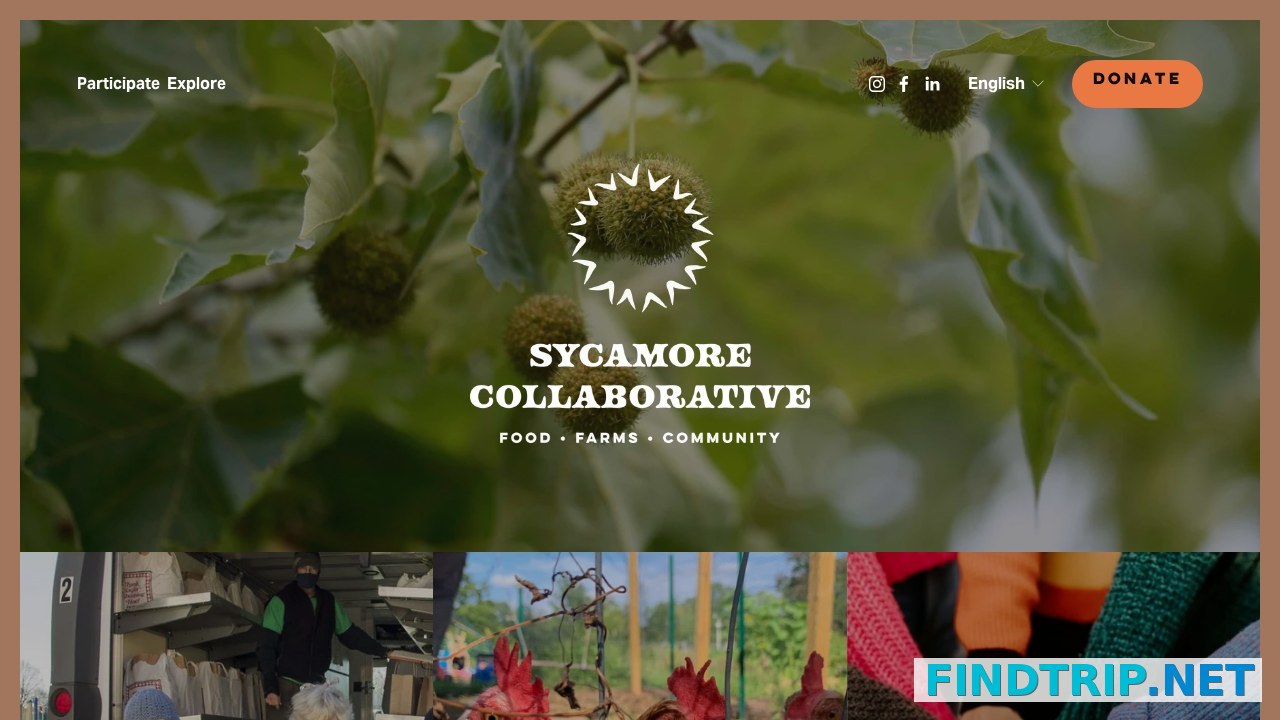
Community centers are rarely static spaces; their purpose transforms based entirely on who is walking through the door. A modern resource center focused on food security, urban agriculture, and neighborhood outreach operates on multiple operational levels simultaneously. For a family in need, it is a crucial lifeline for fresh, nutritious meals; for a local civic group, it is an empowering operational base for community service; for a regional advocate or supporter, it represents an inspiring model of sustainable local development.
The Sycamore Community Hub, operated under the umbrella of the Sycamore Collaborative—an organization with over five decades of service in the region—embodies this multi-faceted reality. While the hub serves a unified mission of connecting the local region with healthy food and supportive networks, the practical experience of engaging with this space varies significantly depending on your primary purpose. Understanding how the hub caters to different user profiles ensures that whether you are seeking support, offering your time, or looking to invest in local resilience, your experience is tailored, efficient, and impactful.
---
Solo Visitors and Individuals Seeking Direct Community Resources
For individual community members navigating daily food security challenges or looking for localized wellness support, the Sycamore Community Hub serves primarily as a welcoming, dignified point of direct service. The environment is designed to streamline access to essential needs while maintaining an atmosphere of respect and mutual care.
What Fits Well for Individual Visitors
- Direct Access to Fresh Food: Unlike traditional emergency food options that rely heavily on non-perishable goods, the hub emphasizes direct links to regional farms and fresh produce through its food pantry and community farm networks.
- Comprehensive Support Programs: Individuals can access a spectrum of interrelated services, including mobile pantry visits, summer meal initiatives for children, and local compost programs.
- Dignified, Low-Barrier Environment: Rooted in more than 50 years of community trust—originating from its legacy as Schenectady Inner City Ministry (SICM)—the center prioritizes compassionate service without cumbersome bureaucratic barriers.
Important Considerations for Individual Visitors
- Service Schedules Vary: Specific initiatives, such as summer meal distributions or mobile pantry stops, run on set seasonal or weekly timetables. Visitors are strongly advised to verify current program schedules on the official platform before visiting.
- High Demand During Peak Hours: Direct pantry services can experience high foot traffic during opening windows, which may require a short wait.
---
Local Volunteer Teams and Civic Groups
For organized groups, corporate teams, and dedicated community volunteers, the Sycamore Community Hub operates as an active workspace for collective action. Rather than offering passive drop-in activities, the hub integrates volunteers directly into the logistical backbone of regional food distribution and sustainable urban farming efforts.
What Fits Well for Volunteer Groups
- Hands-On Community Impact: Group participation directly powers core initiatives, from sorting and packing fresh farm produce to supporting urban compost projects and seasonal outreach events.
- Structured Team Engagement: The facility accommodates collaborative efforts, making it an ideal destination for civic organizations, student groups, and local businesses seeking meaningful service projects.
- Educational Value: Volunteers gain first-hand insight into local food systems, agricultural connectivity, and the socio-economic dynamics of regional nutrition security.
Important Considerations for Volunteer Teams
- Advance Coordination Required: Due to safety regulations and facility capacity, group volunteering cannot be handled on a walk-in basis. Teams must register and schedule their shifts in advance.
- Physical Effort Involved: Many volunteer opportunities—such as food handling, crate sorting, and garden maintenance—involve light-to-moderate physical activity and outdoors or warehouse-style conditions.
---
Occasional Visitors, Donors, and Regional Partners
The third major audience encompasses regional stakeholders, prospective donors, policy advocates, and passing visitors interested in community food models. For this group, the Sycamore Community Hub represents a case study in long-term community resilience and urban agriculture integration.
What Fits Well for External Partners and Donors
- Transparent Mission and History: Visitors interested in non-profit strategy can explore how a historic faith-rooted organization evolved into the modern, inclusive Sycamore Collaborative, named after the urban sycamore tree known for its strength, persistence, and deep roots.
- Broad Investment Opportunities: Potential supporters can see exactly where monetary donations, farm partnerships, and resource allocations go—from urban soil enhancement via compost projects to direct child nutrition programs.
- Networking and Regional Synergies: The hub acts as a bridge connecting local agricultural producers, municipal leaders, and charitable networks across the broader county and state ecosystem.
Important Considerations for External Partners
- Not a Commercial Venue: The hub is a functional operational center, not a tourist attraction or retail storefront. General visits for research, partnership inquiries, or walkthroughs should be arranged ahead of time with organizational management.
- Focus on Long-Term Sustainability: Strategic discussions at the hub center on systemic solutions to food insecurity rather than one-off charitable giveaways, requiring visitors to align with long-term community goals.
---
Finding Your Role at the Sycamore Community Hub
Whether you walk through the doors as a neighbor seeking fresh groceries, a team member rolling up your sleeves for a morning volunteer shift, or an advocate looking to support regional food equity, the Sycamore Community Hub adapts to meet your goals. Individual service seekers benefit most from checking real-time schedules prior to visiting, volunteer teams maximize their impact through advance booking, and prospective partners are encouraged to reach out directly to align on broader community initiatives. By aligning your visit with the right engagement pathway, you contribute to a stronger, healthier, and more interconnected community network.