Swindon Lagoons Visitor Guide: Exploring Swindon's Secret Wildlife Haven
Plan your first visit to Swindon Lagoons nature reserve. Practical guide covering restricted access rules, parking, bird hides, and wildlife viewing tips.
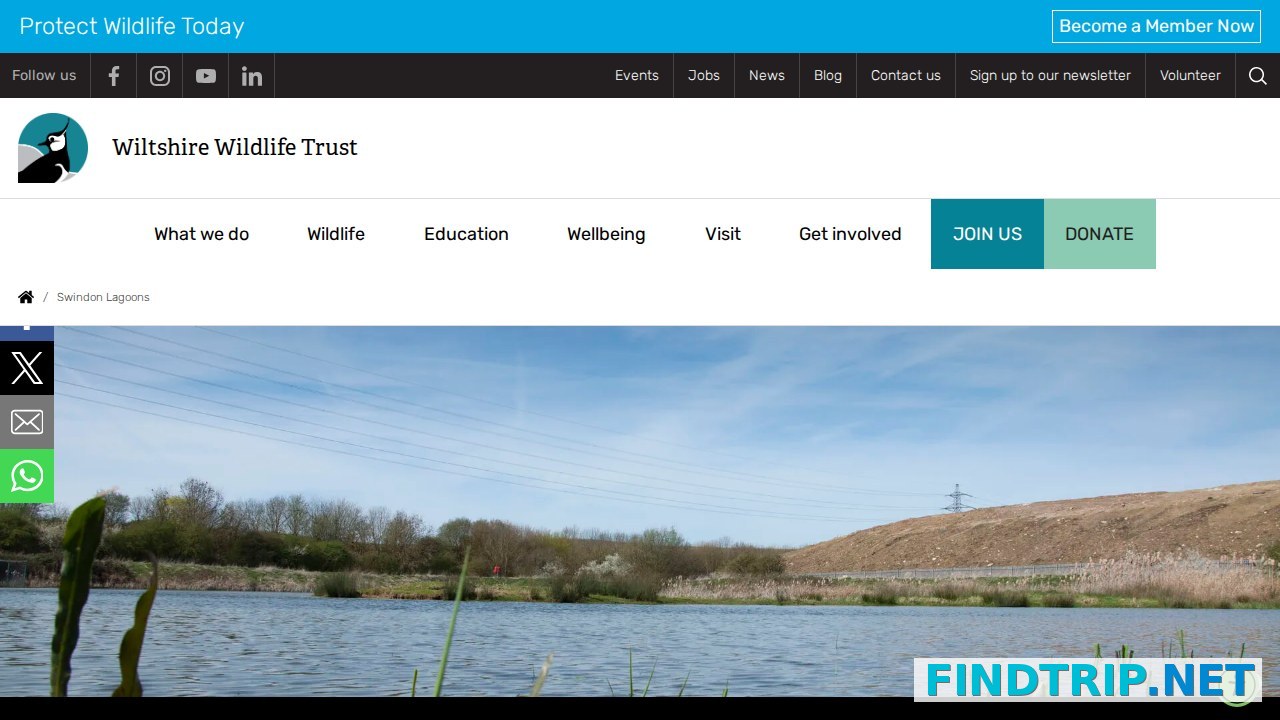
Nestled quietly near the bustling industrial edges of Swindon lies Swindon Lagoons, one of Wiltshire’s most remarkable examples of ecological restoration. Spanning 23 hectares, this sanctuary was once an industrial storage facility for sewage treatment by-products. Today, through dedicated habitat management by the Wiltshire Wildlife Trust, it has been transformed into a thriving mosaic of 15 open water lagoons, reed beds, lush grassland, marshland, and a meandering section of the River Ray.
Because of its delicate ecosystem and secure location behind a perimeter fence, visiting Swindon Lagoons requires a bit of foresight. This practical guide covers everything you need to know before visiting this protected wildlife haven for the first time.
---
1. Who Should Visit Swindon Lagoons and the Best Time to Go
Swindon Lagoons is tailored specifically for dedicated wildlife enthusiasts, birdwatchers, photographers, and local history buffs who appreciate nature’s resilience. If you are seeking a manicured public park with playgrounds and paved promenade paths, this is not the location for you. However, if your ideal outing involves quietly observing rare waterfowl, tracking dragonflies, or spotting elusive mammals in an undisturbed habitat, this nature reserve is a rewarding destination.
Choosing the Ideal Time of Day and Season
To maximize your chances of seeing the reserve's varied wildlife, align your visit with seasonal wildlife patterns:
- Spring and Summer (Daytime): This is the ultimate time for overall biodiversity. Warblers and swallows dart across the water, while colorful insects—including the common darter and emperor dragonfly—patrol the paths cut through the rough grass. Reptiles like grass snakes and slow worms can frequently be seen basking in sunny patches.
- Late Spring and Summer (Dusk/Evening): If you book an evening tour, you enter the twilight realm of the reserve. This is the optimal window to spot foraging roe deer, foxes, badgers, and up to three species of bats (pipistrelle, Daubenton’s, and serotine) hunting over the water.
- Autumn and Winter (Mid-day): Cold weather brings migratory wildfowl to the 15 lagoons. Look out for overwintering shoveler ducks, tufted ducks, little egrets, and wading birds such as snipe and common sandpipers probing the mud along the lagoon margins.
---
2. Getting There, Parking, and Navigation
Navigating to Swindon Lagoons requires careful attention, as there is no direct vehicular driveway leading to the reserve entrance itself.
```
Address: Shaw Forest, Swindon, Wiltshire, SN5 7ET, United Kingdom
OS Map Reference: OS map 169 / Grid ref: SU124859
What3Words Location: ///trunk.feel.oven
```
Parking Options
There is no parking directly inside or outside the reserve gates. First-time visitors have two primary parking choices:
1. Barnfield Road: Street parking along Barnfield Road offers a practical starting point for pedestrians walking toward the cycle network.
2. Shaw Forest Car Park: Parking at the main Shaw Forest car park provides a scenic, nature-filled walk that connects smoothly to the reserve perimeter.
On-Foot and Bicycle Access
Once parked, you must travel on foot or by bicycle along National Cycle Route 45, which runs directly past the boundary of the reserve.
- For Cyclists: While National Cycle Route 45 offers smooth cycling access right to the boundary, please note that there are no dedicated bike racks or bicycle parking facilities inside the site. If attending an organized tour, bring a secure lock to fasten your bike nearby or be prepared to walk it inside if permitted by tour leaders.
---
3. What to Do Immediately Upon Arrival
Because Swindon Lagoons is a highly protected County Wildlife Site, your arrival routine will differ from a standard public park visit.
If You Have a Pre-Booked Tour Ticket
- Meet at the Designated Security Gate: Access is strictly controlled via locked gates along the cycle path. Plan to arrive 10 to 15 minutes before your scheduled start time to meet your Wiltshire Wildlife Trust tour leader or volunteer warden.
- Check In with the Volunteer Leader: Show your event confirmation. Wardens will give a quick briefing regarding site safety, current ground conditions, and active wildlife hotspots before unlocking the gate.
- Locate the Bird Hides: Once inside, head toward the site's bird hides. These structures offer concealed views across the primary lagoons, giving you an optimal vantage point to observe skittish waterfowl without causing disturbance.
If You Do Not Have a Booking (Public Viewing Option)
- Head to the Cycle Path Viewing Platform: If you arrive in the area without a pre-booked event ticket, do not attempt to bypass the security fencing. Instead, follow National Cycle Route 45 to the elevated public viewing platform.
- Scan the Waterways: From this elevated vantage point outside the perimeter fence, you can use binoculars or a spotting scope to view several lagoons, open grasslands, and birds flying over the marshland.
---
4. Crucial Rules and Details Easily Overlooked
Visiting a delicate wetland sanctuary comes with strict operational limits. Overlooking these guidelines can result in missed access or disrupted wildlife habitats.
Access Restrictions
- Not Open to the General Public: You cannot drop in spontaneously at any time. Entrance is permitted strictly via guided tours, volunteer workdays, and public open days organized by the Wiltshire Wildlife Trust.
- Enclosed Perimeter: The entire 23-hectare site is surrounded by security fencing installed to preserve ground-nesting sites and sensitive mammal habitats.
Pet and Facility Policies
- No Dogs Permitted: Dogs are strictly prohibited anywhere within the reserve boundary, including dogs on leads. The presence of dogs stresses fragile species like harvest mice (which weave small nests in the tall grass), resting otters, and ground-nesting birds.
- No On-Site Toilets or Cafes: Swindon Lagoons is kept as natural as possible. There are no public restrooms, visitor centers, or refreshment kiosks. Ensure you use facilities in central Swindon or nearby commercial areas before arriving.
- Terrain Hazards: Paths inside the site consist largely of rough grass tracks cut by volunteers. Expect uneven ground, wet mud during winter, and thick vegetation. Wear waterproof hiking boots or wellingtons, especially when walking along the stretch near the River Ray.
---
5. Frequently Asked Questions for First-Time Visitors
Can I walk into Swindon Lagoons whenever I want?
No. General public access is restricted to safeguard vulnerable species such as great crested newts and water voles. Access is only possible by registering for an official guided tour or open day hosted by the Wiltshire Wildlife Trust, or by viewing the site from the public viewing platform along National Cycle Route 45.
Is there an entrance fee to visit Swindon Lagoons?
Entry to the reserve during official open days and guided tours is free of charge. However, pre-booking a place online in advance is essential due to strict capacity limits on guided groups.
What wildlife am I most likely to spot on my first visit?
Depending on the season, you are very likely to spot sand martins, reed buntings, and dragonflies in warmer months, alongside waterfowl like shoveler ducks and little egrets. With patience, you may also spot grass snakes, slow worms, or evidence of harvest mice. Elusive mammals like otters, water voles, and badgers are occasionally seen during early morning or evening tours.
---
6. One Essential Thing to Do Before You Set Off
Before heading toward Shaw Forest or Barnfield Road, always check the Wiltshire Wildlife Trust events calendar online to confirm your booking and event status.
Because Swindon Lagoons relies on volunteer leaders and operates behind locked gates, arriving without a confirmed event slot means you will only be able to view the site from the cycle path platform. Take two minutes to verify your tour time, pack a good pair of binoculars, wear waterproof footwear, and enjoy discovering one of Wiltshire's finest natural success stories.
---