Sushi Express Singapore Review: High-Value Conveyor Belt Dining
An expert review of Sushi Express Singapore in heartland hubs like Sembawang and Bishan. Explore value pricing, accessibility, and dining tips.
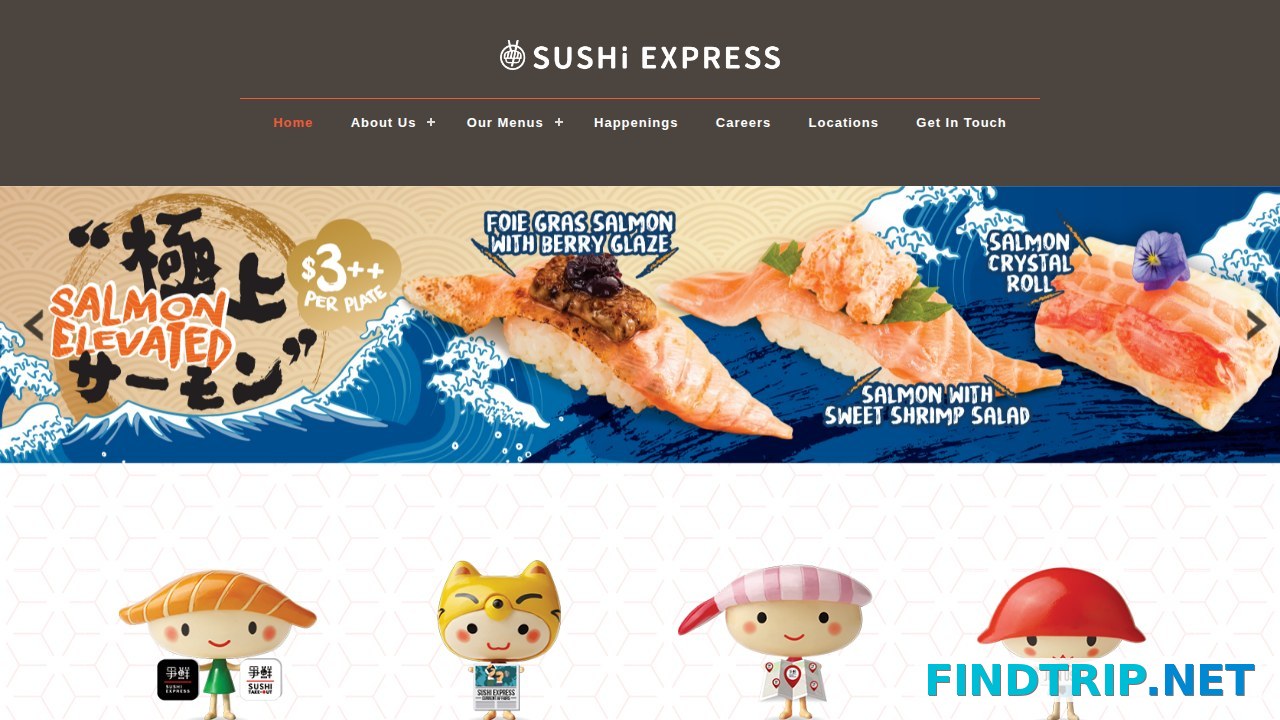
Sushi Express operates as a value-tier, high-volume conveyor belt sushi concept designed to bring fast, affordable Japanese dining to everyday consumers. Originating in Taiwan in 1996 and expanding to over 300 outlets globally—including China, Hong Kong, Thailand, the United States, and Singapore—the brand has built its global identity around speed, transparency, and accessible pricing rather than fine-dining exclusivity.
---
Suburban Accessibility and the Heartland Dining Experience
In Singapore, Sushi Express strategically positions its outlets within key suburban transport hubs and residential shopping centers, such as Sembawang Drive and Bishan New Town. Placing outlets inside major heartland malls guarantees exceptional convenience for locals. Diners can seamlessly combine a grocery run or daily commute with a quick, satisfying meal without traveling into the central business district.
However, this high-density placement comes with specific logistical realities. During peak lunch and dinner hours, as well as on weekends, outlets in areas like Bishan and Sembawang experience heavy foot traffic and substantial queues. Because space inside suburban mall units is tightly optimized for table turnover, the seating arrangements can feel compact, and noise levels remain energetic throughout the dining peak.
---
Cost vs. Value: Predictable Pricing for Everyday Diners
The core strength of the Sushi Express dining model lies in its straightforward financial structure. By utilizing a continuous conveyor belt system alongside flat-rate or tiered plate pricing, the restaurant eliminates the budget uncertainty often associated with Japanese dining.
- High Cost Predictability: Diners can monitor their exact expenditure simply by counting the plates on their table.
- Streamlined Dining Experience: Digital ordering systems and self-serve hot tea stations keep service quick and overhead costs low.
- Takeaway Convenience: Dedicated grab-and-go counters (such as the brand's 争鲜gogo concept) offer pre-packed sushi boxes at competitive rates for busy commuters.
While Sushi Express delivers strong value for everyday consumption, exact plate prices and seasonal promotional items are subject to periodic adjustments. Diners are encouraged to verify current pricing and limited-time offerings directly at the venue or through official brand channels prior to visiting.
---
Determining the Best Fit: Target Diners vs. Alternatives
Understanding the operational focus of Sushi Express helps diners decide whether it aligns with their specific mealtime expectations.
```
+------------------------------------------+------------------------------------------+
| Ideal Choice For | Consider Other Options For |
+------------------------------------------+------------------------------------------+
| • Families with children seeking visual | • Business meetings requiring quiet, |
| and interactive meal setups | private seating |
| • Solo diners looking for rapid, | • Purists seeking artisanal, hand-cut |
| unintrusive dining options | omakase-grade sashimi |
| • Budget-conscious students and workers | • Diners wanting extensive hot cooked |
| • Quick takeaway meals during commutes | entrees or complex kitchen dishes |
+------------------------------------------+------------------------------------------+
```
For solo diners and working professionals, the venue offers a stress-free environment where one can enjoy a complete meal in under thirty minutes. Families benefit from the child-friendly atmosphere where young diners can visually select their items straight off the belt. Conversely, those seeking quiet corporate discussions or high-end culinary craftsmanship should explore full-service Japanese restaurants instead.
---
Operational Strengths and Menu Limitations
A comprehensive look at Sushi Express requires evaluating both its logistical efficiency and its culinary boundaries within a single context.
The restaurant's primary advantage is its rapid inventory turnover and consistently fresh basic offerings. Staples like fresh salmon nigiri, classic maki rolls, and seasoned seafood side dishes move rapidly across the belt, ensuring items do not sit idle for long periods. The automated kitchen flow allows the kitchen to replenish popular items continuously, maintaining steady quality across all visits.
On the flip side, this ultra-efficient, standardized model inherently creates limitations in dish customization and menu depth. Diners looking for specialized dietary modifications, complex cooked entrees, or rare seasonal catches will find the options relatively fixed. The focus remains strictly on high-demand, quick-assembly sushi, meaning the menu prioritizing consistency over culinary complexity.
---
Final Verdict: When to Visit Sushi Express
Choosing Sushi Express makes the most sense when your primary priorities are convenience, speed, and budget control. It serves as a reliable, casual dining spot for daily meals, post-work quick bites, or casual weekend lunches with family in the heartlands. When you want standard, fresh sushi without committing to a lengthy multi-course sit-down service, this brand reliably fills the gap.
---
Frequently Asked Questions
What is the main difference between Sushi Express, 争鲜gogo, and Sushi Plus?
Sushi Express focuses on classic, flat-rate conveyor belt dining. 争鲜gogo is tailored specifically for quick takeaway sushi boxes, while Sushi Plus offers an expanded menu incorporating higher-grade ingredients and automated train delivery systems alongside the traditional conveyor belt.
Does Sushi Express accept advance table reservations?
Most standard heartland outlets operate primarily on a walk-in, queue-number system to maximize table turnover during busy peak hours. Check local outlet listings or mobile queue apps if available before traveling.
Are vegetarian or cooked sushi options available on the belt?
Yes, the menu includes cooked options such as tamagoyaki (Japanese omelette), grilled eel (unagi), fried side dishes, and vegetarian-friendly options like edamame and inari (seasoned tofu skin).
How can customers confirm current menu prices and operational hours?
Because menu items and operating schedules may vary slightly across suburban locations like Sembawang and Bishan, customers should consult the official website (sushiexpress.com.sg) or check on-site signage for the most up-to-date information.
---