Schlosskirche Accessibility Assessment: Mobility Considerations
Accessibility and mobility guide for Schlosskirche in Bodenseekreis, DE. Learn what access details are confirmed, unconfirmed, and how to verify step-free entry.
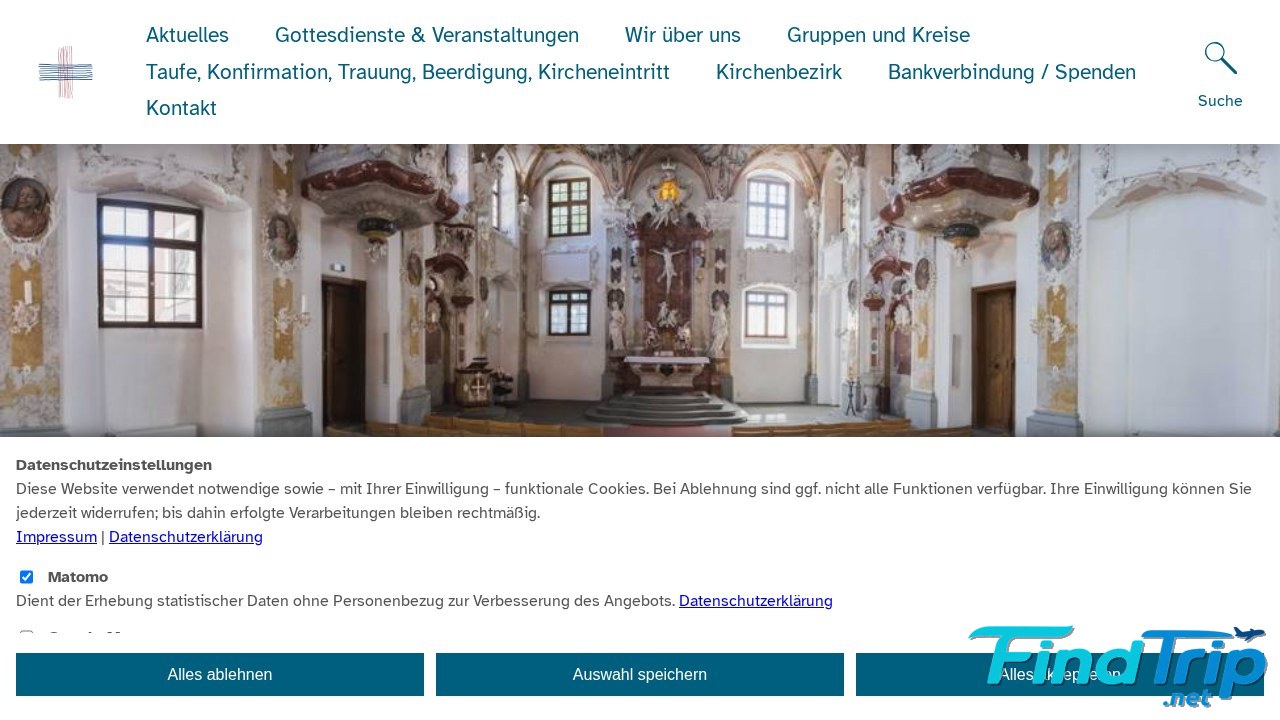
Planning a visit to historic ecclesiastical sites requires detailed information about physical layout, step-free access, and facility accommodations. This guide focuses specifically on the physical accessibility of Schlosskirche, located in the Bodenseekreis district of Baden-Württemberg, Germany.
It is designed for travelers using wheelchairs, rollators, mobility scooters, or strollers, as well as seniors and individuals traveling with companions who have limited physical mobility.
Note: This document is strictly an accessibility evaluation and pre-trip planning resource. It is not a general tourism review, architectural appraisal, or comprehensive historical overview.
---
Scope of This Guide: Accessibility Focus Over General Sightseeing
When preparing for travel around the Lake Constance (Bodensee) region, mobility requirements dictate trip planning far more than standard tourist information. Historic church buildings across Baden-Württemberg vary significantly in their structural adaptation to modern accessibility standards. Some offer completely barrier-free entrances and renovated interiors, while others maintain centuries-old architectural elements such as stone steps, heavy manual doors, high door thresholds, and uneven cobblestone approaches.
```
+-----------------------------------------------------------------------------------+
| GUIDE FOCUS |
+-----------------------------------------------------------------------------------+
| [X] Step-free access & structural layout [ ] Architectural & art history review |
| [X] Unconfirmed mobility considerations [ ] General tourism recommendations |
| [X] Official communication channels [ ] Unverified standard schedules |
+-----------------------------------------------------------------------------------+
```
Rather than focusing on art history or local sightseeing highlights, this evaluation centers entirely on verified structural data, identifies unconfirmed physical parameters, and provides actionable steps for inquiring directly with local parish administrators before your arrival.
---
Confirmed Information from Official Parish Documentation
Based on public records from the official parish administration website (Evangelische Kirchengemeinde Meersburg), several basic operational and organizational details are officially established:
| Category | Confirmed Official Fact |
| :--- | :--- |
| Location Context | Schlosskirche is located within the Bodenseekreis district, Baden-Württemberg, Germany (`DE`). |
| Parish Association | It is managed under the umbrella of the Protestant Parish (Evangelische Kirchengemeinde Meersburg), which also includes communities in Hagnau, Daisendorf, and the Martin-Luther-Haus. |
| Active Usage | The church serves as an active place of worship hosting regular services (Gottesdienste), ecclesiastical ceremonies (baptisms, weddings, funerals), and local cultural or musical events. |
| Administrative Support | Official governance is maintained by the pastoral team (Pfarrteam) and the parish council (Kirchengemeinderat). |
| Official Web Footprint | The parish maintains a dedicated web domain (`ev-kirchengemeinde-meersburg.de`) featuring parish contacts, news updates, and event schedules. |
While official sources confirm that Schlosskirche is an active center for church services and community events, public digital documentation does not currently publish explicit physical accessibility measurements or barrier-free certifications (Barrierefreiheit) on its primary landing pages.
---
Unconfirmed Physical Accessibility Factors
When planning a visit with reduced mobility, what is omitted from official websites is as important as what is explicitly listed. Because public parish records do not detail specific structural modifications, several key physical access elements remain unconfirmed.
1. Entrance and Step-Free Routing
- Status: Unconfirmed
- Key Considerations: It is not officially specified whether the primary entrance to Schlosskirche has step-free ground-level access, permanent concrete ramps, or secondary side entrances equipped for wheelchair entry. Travelers must clarify if entering requires navigating exterior steps or managing historic stone thresholds.
2. Doorway Widths and Door Mechanics
- Status: Unconfirmed
- Key Considerations: Standard motorized wheelchairs and wider manual transport chairs generally require a clear opening width of at least 80–90 cm. Historic German churches frequently feature heavy, double-leaf wooden doors or narrow side portals. Information on whether these doors are automated, kept open during public hours, or assisted by on-site staff is currently unverified.
3. Pathway and Exterior Ground Surfaces
- Status: Unconfirmed
- Key Considerations: The immediate terrain surrounding historic sites in the Bodenseekreis region often consists of historic cobblestones, gravel paths, or incline gradients. The precise surface condition leading from public walkways to the church portal is not documented on the main website.
4. Interior Navigation and Aisle Clearances
- Status: Unconfirmed
- Key Considerations: Once inside, visitors need level access through the nave, central aisle, and side chapels. It remains unconfirmed whether there are interior steps leading toward seating areas or whether fixed pews allow designated spaces for wheelchair positioning.
5. Sanitary Facilities (Accessible Restrooms)
- Status: Unconfirmed
- Key Considerations: The presence of an accessible restroom (Behindertengerechtes WC) adhering to German DIN 18040-1 standards (equipped with side grab bars, emergency call buttons, and sufficient turning radius) is not confirmed on the main site. Visitors should not assume that on-site public or parish restrooms are equipped for full barrier-free use.
6. Accessible Parking and Vehicle Drop-off Zones
- Status: Unconfirmed
- Key Considerations: Designated disabled parking spaces (Behindertenparkplatz) in close proximity to Schlosskirche, as well as permitted vehicle drop-off zones near the main doorway, are not explicitly mapped on the parish home portal.
---
How to Verify Accessibility Before Visiting
Because physical access details are unconfirmed online, visitors with specific mobility requirements should make direct inquiries before traveling to Schlosskirche.
Step 1: Reach Out to the Parish Administration
Contact the official parish office (Pfarramt) associated with Evangelische Kirchengemeinde Meersburg. Use the official contact form or telephone details published on `ev-kirchengemeinde-meersburg.de`.
Step 2: Ask Specific, Practical Questions
When contacting the staff, avoid general questions like "Is the building accessible?" because definitions of accessibility vary. Instead, ask clear, specific questions:
```
CHECKLIST: Questions to Ask the Parish Office
[ ] Are there any steps at the primary entrance? If so, how many?
[ ] Is a ramp available (permanent or portable)?
[ ] What is the exact width of the narrowest entrance door?
[ ] Are interior aisles level, or are there steps inside the church nave?
[ ] Is there an accessible restroom (Behindertengerechtes WC) on-site?
[ ] Where is the nearest drop-off point for vehicles carrying passengers with disability permits?
[ ] Are hearing loop systems (Induktionsschleife) active during services for hearing-aid users?
```
Step 3: German Phrases for Direct Inquiries
If communicating via email in German, the following precise terminology can help clarify structural conditions:
- Step-free entry: "Gibt es einen stufenlosen Zugang zur Schlosskirche?"
- Ramp availability: "Ist eine Rampe für Rollstuhlfahrer oder Rollatoren vorhanden?"
- Doorway dimensions: "Wie breit ist die Eingangstür (in cm)?"
- Accessible restroom: "Gibt es vor Ort ein behindertengerechtes WC?"
- Parking access: "Wo befindet sich der nächste Behindertenparkplatz?"
---
Critical Takeaways: Navigating Silence in Official Access Records
When traveling with mobility challenges in Baden-Württemberg, never assume a historic site is fully accessible simply because it is open to the public.
Historic preservation laws (Denkmalschutz) across Germany often limit structural alterations on heritage buildings. Consequently, many historic churches maintain traditional step configurations unless specific retrofitting projects have been completed and documented.
```
SUMMARY ADVICE FOR MOBILITY-IMPAIRED VISITORS
1. Silence in public records = Unconfirmed status (do not assume step-free entry).
2. Contact the parish office (Evangelische Kirchengemeinde Meersburg) directly in advance.
3. Verify local terrain, parking, and door widths prior to arrival.
4. Allow extra travel time to navigate surrounding outdoor pathways in Bodenseekreis.
```
By verifying access details with the parish office before your trip, you can avoid unexpected physical barriers and ensure a safe, comfortable experience at Schlosskirche.
---