Schenectady Greenmarket Review: Local Fresh Produce & Community Vibe
Discover Schenectady Greenmarket: fresh regional produce, food demos, community tables, and seasonal indoor/outdoor settings in Upstate New York.
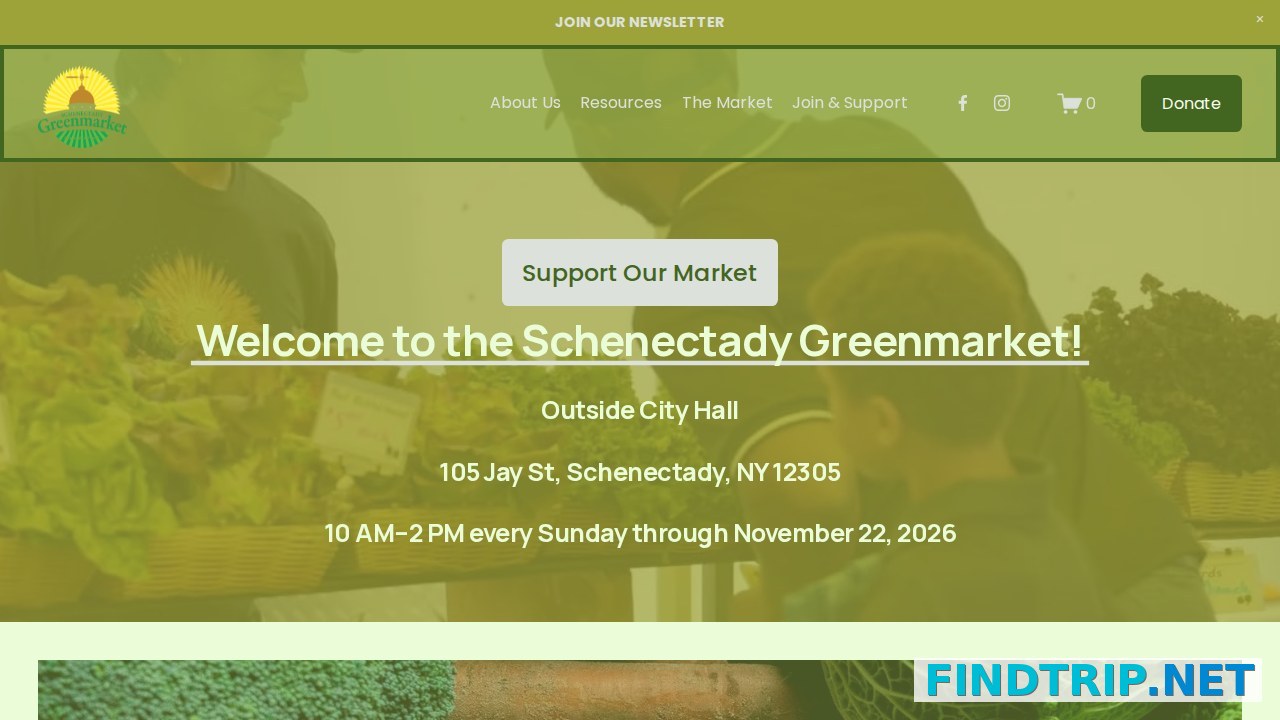
Every Sunday morning in the Capital Region, a dynamic local gathering takes place that transforms the pace of Schenectady. The Schenectady Greenmarket operates as far more than a standard weekly farmers market; it is a vital community showcase, a regional culinary initiative, and a vibrant gathering spot for local residents and visitors alike. Moving seasonally between its sunlit outdoor location around Schenectady City Hall on Jay Street and its majestic indoor winter haven inside Proctors Theatre, the market seamlessly adapts to New York’s shifting seasons while keeping local agriculture and community access at its core.
While the market consistently highlights regional farms, artisan producers, and local non-profits, the actual visitor experience depends entirely on how you approach it. Depending on whether you visit alone with a focused shopping list, explore as a group or family looking for weekend activity, or wander in as a casual passerby discovering the area, the market reveals distinct layers of value.
---
Solo Visitors and Independent Shoppers: Efficient, Ingredient-Driven Exploration
For independent shoppers, home cooks, and weekly meal-preppers, the Schenectady Greenmarket serves as a high-value weekly stop designed around fresh, locally sourced ingredients and direct producer connections.
What Solo Shoppers Need
Solo visitors typically seek high-quality raw ingredients, artisan goods, and an efficient route through the stalls. Whether sourcing specialty gourmet produce—such as chemical-free lion's mane or blue oyster varieties from local mushroom growers—or seeking small-batch pantry staples like raw honey and modern honey-forward mead, independent visitors prioritize product variety, fresh harvests, and knowledgeable vendors.
The Solo Market Experience
Navigating the market alone allows for focused, direct engagement with farmers and food producers. Without group distractions, solo shoppers can easily ask detailed questions about agricultural practices, seasonal availability, or pairing suggestions. A highlight for individual visitors is the interactive cooking and food demonstrations hosted at the market tables. These sessions often showcase quick, seasonal dishes—such as warm goat kofta meatballs or cozy heirloom corn polenta—offering practical culinary inspiration alongside complimentary recipe ideas and bite-sized samples.
Additionally, for individuals utilizing regional nutrition benefits, the market offers straightforward support. Participating in programs like the New York State Emergency Response FreshConnect Program and SNAP incentives, the market information table provides accessible coupon matching for eligible food items ranging from fresh dairy, meats, and poultry to fresh baked goods and seasonal produce.
Pros and Potential Drawbacks for Solo Visitors
- Why it works: Maximum efficiency, direct access to premium regional growers, direct conversation with artisans, and clear access to community food support programs.
- What to keep in mind: Peak arrival times (between 10:30 AM and 12:30 PM) bring dense foot traffic, which can make a quick, targeted grocery run slower than anticipated, especially in indoor spaces during the winter season.
---
Families, Friend Groups, and Community Gatherings: An Interactive Weekend Destination
When approached as a group trip—whether with family, children, or a group of close friends—the market shifts from a simple grocery trip into a rich, social weekend event.
What Groups and Families Need
Groups need space to wander, interactive activities that keep diverse age groups engaged, ready-to-eat hot foods, and a welcoming, social environment where staying a while feels natural.
The Group Experience
For families and friend groups, the heart of the market experience often centers around the Community Tables. Local organizations regularly host interactive, educational activities at these booths. On any given Sunday, children and adults might participate in hands-on holiday card-making workshops, explore local heritage displays hosted by historical societies, or learn about regional wildlife and trail conservation from local mountain and birding clubs.
Food also plays a central social role. Groups can stroll between vendors to sample fresh baked treats, sip locally brewed beverages, and enjoy live culinary preparation demos together. The seasonal venue transition adds its own charm: during warmer months, the outdoor setting along Jay Street encourages a relaxed, open-air walk through downtown, while the winter venue inside Proctors Theatre delivers a memorable backdrop surrounded by historic theatrical grandeur.
Pros and Potential Drawbacks for Groups
- Why it works: Diverse food options satisfy different tastes, interactive non-profit tables provide educational fun for kids, and the lively community atmosphere makes for an entertaining weekend outing.
- What to keep in mind: Navigating large strollers or staying together as a bigger group can require extra patience during busy winter market Sundays inside indoor hallways.
---
Casual Passersby and First-Time Tourists: An Authentic Cultural Snapshot
For out-of-town visitors exploring the Capital Region or residents casually strolling through downtown Schenectady on a Sunday afternoon, the market offers an authentic, low-pressure window into local life.
What Casual Visitors Need
Casual visitors generally look for an easygoing atmosphere, unique regional souvenirs, ready-to-eat snacks, and a quick sense of the area's local culture without needing to commit to heavy grocery purchases.
The Casual Experience
For passersby, the market functions as a cultural cross-section of Schenectady. A casual 45-minute walk allows tourists to admire the craftsmanship of regional producers—from artisan sourdough bakers and specialty sauce makers to local craft beverage creators.
Stopping by community tables offers newcomers a quick introduction to regional civic life, local history initiatives, and cooperative food movements like the Electric City Food Co-op. Because the market is situated near key downtown landmarks, including City Hall and Proctors Theatre, visiting fits easily into a broader morning tour of the city center, nearby coffee shops, and local historic districts.
Pros and Potential Drawbacks for Casual Visitors
- Why it works: Requires zero advance planning, offers immediate regional flavor, provides great opportunities to buy portable gifts like local honey or artisan preserves, and costs nothing to enter and explore.
- What to keep in mind: Travelers with long trips ahead may find it difficult to purchase perishable farm items, farm-fresh dairy, or fresh produce that requires immediate refrigeration.
---
Choosing Your Way to Experience Schenectady Greenmarket
Ultimately, the Schenectady Greenmarket succeeds because it doesn't try to be just one thing. It is simultaneously a practical Sunday pantry run for dedicated home cooks, an interactive community hub for local families, and an inviting cultural stop for regional travelers.
To get the most out of your visit, align your arrival with your goals:
- Solo shoppers looking for the best produce selection and a swift experience should aim to arrive right when doors open at 10:00 AM.
- Families and groups seeking live cooking demos, community craft tables, and a vibrant social scene will find the late-morning hours between 11:00 AM and 1:00 PM filled with energy.
- Casual tourists can drop in anytime before the 2:00 PM close, taking time to absorb the atmosphere, sample local treats, and enjoy the distinct architectural settings of downtown Schenectady.
Regardless of how you visit, bringing reusable shopping totes, checking the seasonal venue location (outdoors at City Hall versus indoors at Proctors Theatre), and taking time to talk with local growers will ensure a rich and rewarding Sunday morning experience.