Poole Harbour Canoe Club: Coached Club Sessions or Independent Paddling?
Planning a visit to Poole Harbour Canoe Club? Compare coached awards, open days, and club trips with independent paddling on Poole Harbour and the River Stour.
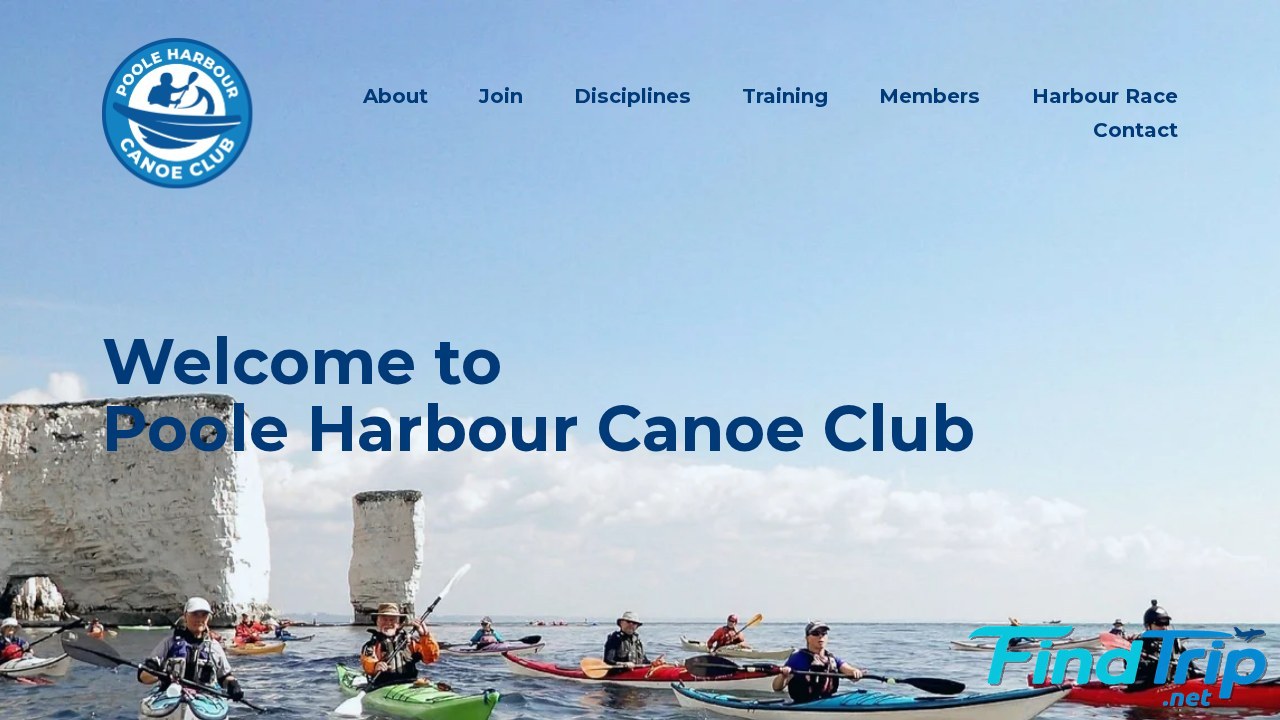
Poole Harbour Canoe Club is not a drop-in tourist attraction or casual boat-hire kiosk, so you cannot simply turn up for an unannounced self-guided visit. Located at 99 Lake Drive in Hamworthy, it operates as an active paddlesport club across two sheltered Dorset waterways. Experienced paddlers with their own craft can launch nearby independently, while beginners and visiting enthusiasts will get far more from structured club training, open days, and led trips.
Can You Explore Poole Harbour Canoe Club on Your Own?
Understanding how Poole Harbour Canoe Club works starts with knowing what kind of venue it is. Rather than a museum, visitor centre, or commercial rental pier with walk-up ticket desks, it is a community open canoe and kayaking club serving England's South Coast. The club's main address is 99 Lake Drive, Bournemouth, Christchurch and Poole Council, England, right by Lake Pier in Hamworthy, and it also operates on the River Stour under the name Wimborne Paddlesport at Riverside, Wimborne.
If your goal is to walk around a public attraction on your own, there is no indoor visitor trail or self-guided tour inside the clubhouse. Club facilities, equipment, and scheduled sessions are built around members and pre-arranged attendees. The website does not list walk-in opening hours, public hire prices, or a contact telephone number, so turning up unannounced at the door is unlikely to get you onto the water.
That said, the waterways right outside the club's two bases are very accessible for independent paddlers who already own their gear. From Lake Pier in Hamworthy, you have direct access to the sheltered waters of Poole Harbour, an ideal environment for getting close to nature in the harbour when weather and tides cooperate. Further inland, Riverside in Wimborne gives you flat, sheltered conditions on the River Stour, which is far more forgiving if you want a calm, self-directed paddle without coastal swells.
In short, the club itself requires pre-arrangement, whereas the surrounding harbour and river can be explored solo if you bring your own canoe, kayak, or standup paddle board and the know-how to manage local water conditions safely.
Guided Coaching, Training Awards, and Club Trips vs. Audio Guides
Because Poole Harbour Canoe Club is a sporting and outdoor club rather than a heritage monument, there are no audio guides or narrated sightseeing tours. Instead, the guided side of the experience comes from qualified coaching, structured skill awards, and group outings led by experienced club paddlers.
For anyone wanting structured instruction rather than figuring things out alone, the club organises its training around clear progression steps:
- Start Award: Designed for complete beginners learning basic boat handling, balance, and safe water entry.
- Discover Award: Builds foundational paddling strokes and confidence on sheltered water.
- Explore Award: Develops independent decision-making, varied stroke technique, and journey planning.
- Personal performance: Targeted coaching for paddlers looking to sharpen skills in a specific boat or environment.
- Coach/Leader Development: Pathways for experienced members who want to guide others and support club sessions.
Guidance at the club also extends well beyond basic flat-water paddling. Across its coaching and member groups, the club covers an unusually wide mix of disciplines: open canoeing, sea kayaking, white water kayaking, surf kayaking, racing, kayak polo, slalom, surfski, and standup paddle board (SUP). Dedicated programmes such as ShePaddles and Juniors make it easier for women and younger paddlers to start in a supportive group setting rather than feeling out of place on their own.
If you enjoy exploring new places with experienced leaders, club-organised outings are one of the biggest advantages over paddling solo. The club runs an open day at Riverside Wimborne, which serves as a practical introduction to what happens on the River Stour, as well as competitive and social fixtures like the Harbour Race and junior slalom events. Beyond local sheltered water, members also take part in away trips—including paddles along the Jurassic Coast and excursions to the River Dart—where group leadership and shared logistics make challenging routes far safer and more enjoyable than going alone.
How Long Should You Plan For? Estimating Time on the Water
Because the club does not publish fixed session times, seasonal timetables, or pricing online, you should check the Contact or Join pages on its website before locking in dates. When planning your day, the time you need depends heavily on whether you are paddling independently on local sheltered water, attending a club event, or heading toward the open coast.
For a self-guided local paddle using your own craft near Lake Pier, Hamworthy or along the River Stour at Wimborne, a realistic window is 2 to 3 hours from arrival to departure. While you might spend only 60 to 90 minutes actively paddling, unloading boats, preparing safety kit, changing, and packing everything back onto roof racks always adds extra time at both ends.
If you plan to explore further into Poole Harbour to watch wildlife and cover more shoreline, set aside a half-day (around 3 to 5 hours). Sheltered harbour waters still respond to wind direction and tidal movement, so building in slack time prevents rushing back against a headwind. Longer routes promoted through the club's network—such as coastal outings along the Jurassic Coast or river journeys like a trip to the River Dart—require a full day once travel, shuttles, and on-water breaks are factored in.
Attending an open day at Riverside Wimborne, a training award session, or a club fixture like the Harbour Race also works best as a half-day block, giving you enough breathing room to meet coaches, get fitted with kit if available through the session, and talk to members afterwards.
Final Verdict: Join a Coached Session or Paddle Independently?
Choosing between guided club participation and going solo comes down to your gear, experience, and what you want out of Dorset's waterways.
- Choose the coached club route if you are new to paddling, do not own a boat, want structured progression from the Start Award upward, or hope to try specialist formats like kayak polo, slalom, surf kayaking, white water, or surfski. It is also the smarter option if you want company and local leadership for coastal routes along the Jurassic Coast or away trips to the River Dart. Start by reading the Training, Disciplines, and Join sections on the club's website and sending an enquiry before travelling to 99 Lake Drive.
- Choose an independent paddle only if you already own your craft, carry appropriate safety equipment, and have the experience to judge harbour wind or river flow on your own. Even then, match your route to your ability: stick to the flat, sheltered River Stour around Wimborne or calm corners of Poole Harbour near Lake Pier rather than pushing out toward exposed coastal waters without backup.
For most visitors looking up Poole Harbour Canoe Club, the best approach is straightforward: treat it as a club to contact and join in advance, not an unguided drop-in stop, and you will unlock far safer, more varied paddling across both Poole Harbour and the River Stour.