Pavenham Osier Beds Nature Reserve: Essential Visitor Guide
Verified visitor guide for Pavenham Osier Beds in Bedfordshire. Details habitat facts, wildlife species, terrain challenges, and official contacts.
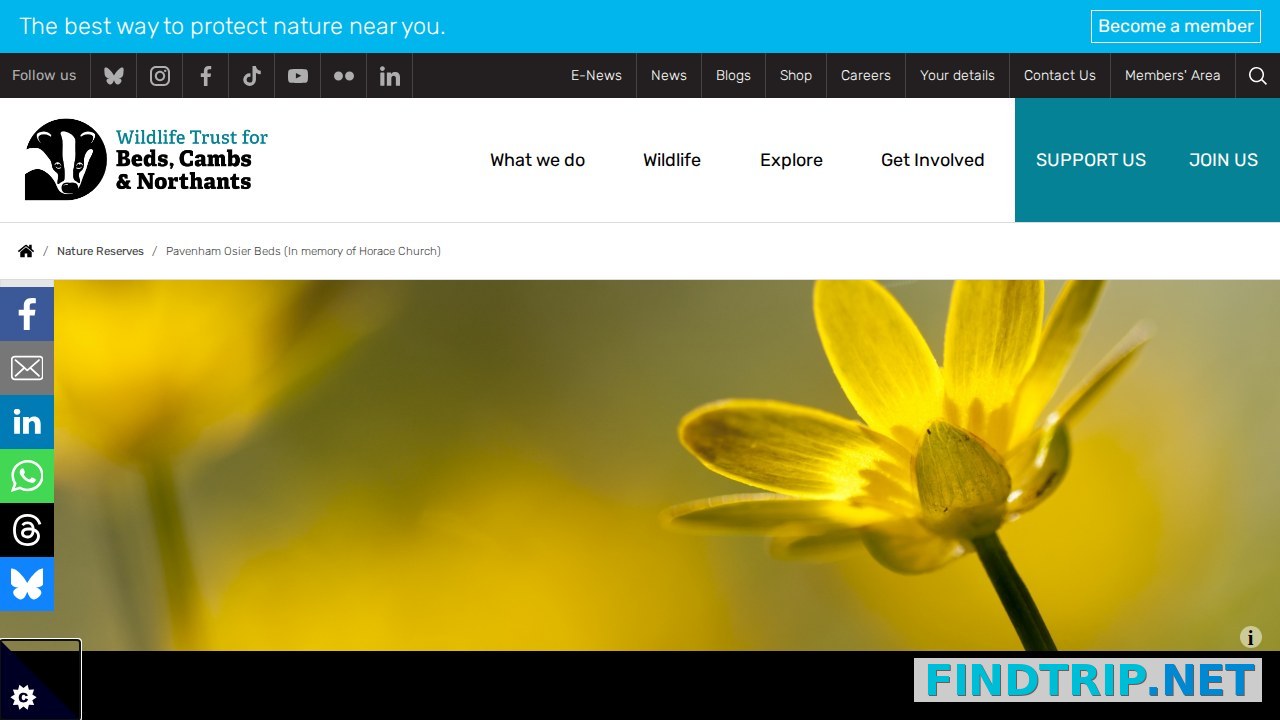
This guide provides a fact-checked informational summary of the Pavenham Osier Beds nature reserve (dedicated in memory of Horace Church). It is compiled strictly from published records provided by the Wildlife Trust for Bedfordshire, Cambridgeshire & Northamptonshire. Please note that this document serves as a verified data overview rather than a personal trip review or subjective evaluation.
---
Confirmed Site Details & Key Information
The following data points are verified directly from official registry records and location listings:
- Official Name: Pavenham Osier Beds (In memory of Horace Church)
- Managing Body: Wildlife Trust for Bedfordshire, Cambridgeshire & Northamptonshire
- Location: Situated approximately 4 miles north-west of Bedford, in Pavenham, Bedfordshire, United Kingdom (OS Map Reference: SP 990 551).
- Reserve Footprint: 1 hectare
- Admission Cost: No entry fee (Free entry)
- Opening Hours: Open at all times
- Optimal Visiting Window: May to July (peak season for blooming flora and insect activity)
- Dog Policy: Permitted, but must be kept strictly on a lead
- Livestock: No grazing animals are kept on site
- Terrain & Trail Conditions: Features muddy paths and seasonal thickets with many nettles
- Accessibility Limits: Not suitable for wheelchairs or pushchairs due to rough ground and natural obstructions
Habitat & Ecological Features
The reserve occupies an attractive riverside setting alongside wet meadows and mature woodland areas. Key habitat characteristics include:
- Osier Willows: A specialized willow variety historically cultivated for basket weaving. Regular coppicing encourages rapid shoot growth and creates dense cover for breeding birds.
- Wetland Flora: Home to meadow-rue (an uncommon wet-meadow flower), lesser celandine, and wild hops growing along boundary hedgerows.
- Wildlife Species: Recorded fauna include kingfishers along the riverbank, grass snakes, common blue damselflies, and summer-visiting warblers.
- Butterfly Habitat: Stretches of stinging nettles provide critical feeding grounds for caterpillars of species such as the peacock, red admiral, and small tortoiseshell butterflies.
---
Unconfirmed or Unlisted Information
When planning a visit, it is important to note that certain amenities and operational details are not listed on the official source source page:
- Designated Parking: On-site parking availability or designated visitor spaces are not specified on the source.
- Toilet Facilities: Public restrooms or baby-changing stations are not listed on the source.
- Visitor Center / Catering: On-site cafes, gift shops, or information centers are not present on the source.
- Public Transport Routes: Specific bus stops or train connections leading directly to the site are not detailed on the source.
- Guided Tour Schedules: Fixed timetables for organized group tours or educational events are not specified on the source.
---
Visitor Recommendations & Practical Use-Cases
Ideal Use-Cases
- Short Nature Walks: Excellent for a quiet, short walk along the public footpath network near the river.
- Wildlife & Bird Observation: A tranquil spot for birdwatchers looking to spot kingfishers or summer warblers along the riverbank.
- Botany & Insect Watching: Recommended between May and July for visitors interested in wetland plants like meadow-rue or observing native butterfly species.
Practical Advice for Visitors
1. Wear Protective Clothing: Due to extensive patches of nettles and potentially muddy terrain, visitors are strongly advised to wear sturdy, waterproof footwear and long trousers.
2. Ensure Pet Control: Keep dogs on a short lead at all times to protect nesting birds and fragile meadow flora.
3. Prepare for Terrain Restrictions: Because the site is small (1 hectare) and unpaved, families with pushchairs or visitors requiring wheelchair access should seek alternative accessible reserves managed by the Trust.
---
Pros and Site Limitations
Key Advantages
- Free Public Access: Open year-round with no entry charge.
- Ecological Significance: Preserves traditional willow coppicing practices and supports rare wet-meadow flora.
- Peaceful Atmosphere: A quiet, mature wooded retreat along the river away from dense urban activity.
Operational Limitations
- Compact Size: At only 1 hectare, it offers limited trail distance compared to larger nature parks.
- Challenging Access: Unsuitable for mobility devices or strollers due to narrow, muddy, and overgrown paths.
- Lack of Amenities: Visitors must plan around the total absence of on-site restrooms, trash bins, or shelter.
---
How to Verify Details Before Visiting
Because natural conditions and trail maintenance can change depending on the season, visitors are encouraged to double-check information directly with the site operators prior to traveling:
- Bedfordshire Regional Office Phone: 01234 364213
- Bedfordshire Office Email: `bedfordshire@wildlifebcn.org`
- Media & Press Inquiries: `communicationsteam@wildlifebcn.org` or call 01954 713500
- Official Website: Visit the Wildlife Trust for Beds, Cambs & Northants website ([wildlifebcn.org](https://www.wildlifebcn.org)) for updated land boundary maps and reserve notices.
---
Summary Assessment
Use this guide as a factual map of information rather than an absolute promise of site conditions. Pavenham Osier Beds is a compact, biologically rich pocket of riverbank habitat that offers great rewards for naturalists equipped with proper footwear and realistic expectations regarding its rugged, unpaved nature.
---
Frequently Asked Questions (FAQ)
Is there an admission fee to visit Pavenham Osier Beds?
No, access to the reserve is completely free with no entry fee required.
Can I bring my dog to the reserve?
Yes, dogs are permitted inside the reserve, provided they are kept on a lead at all times.
Are wheelchair or pushchair facilities available on site?
No, the reserve features muddy paths and heavy nettle growth, making it unsuitable for pushchairs or wheelchairs.
What is the best time of year to view wild flora and butterflies here?
The optimal window to visit is between May and July, when wet-meadow plants like meadow-rue bloom and butterfly activity peaks.
---