New York State Erie Canal Museum at Locks 34 & 35
Explore the New York State Erie Canal Museum at Locks 34 & 35. Discover historic lock engineering, Flight of Five history, hours, and free admission details.
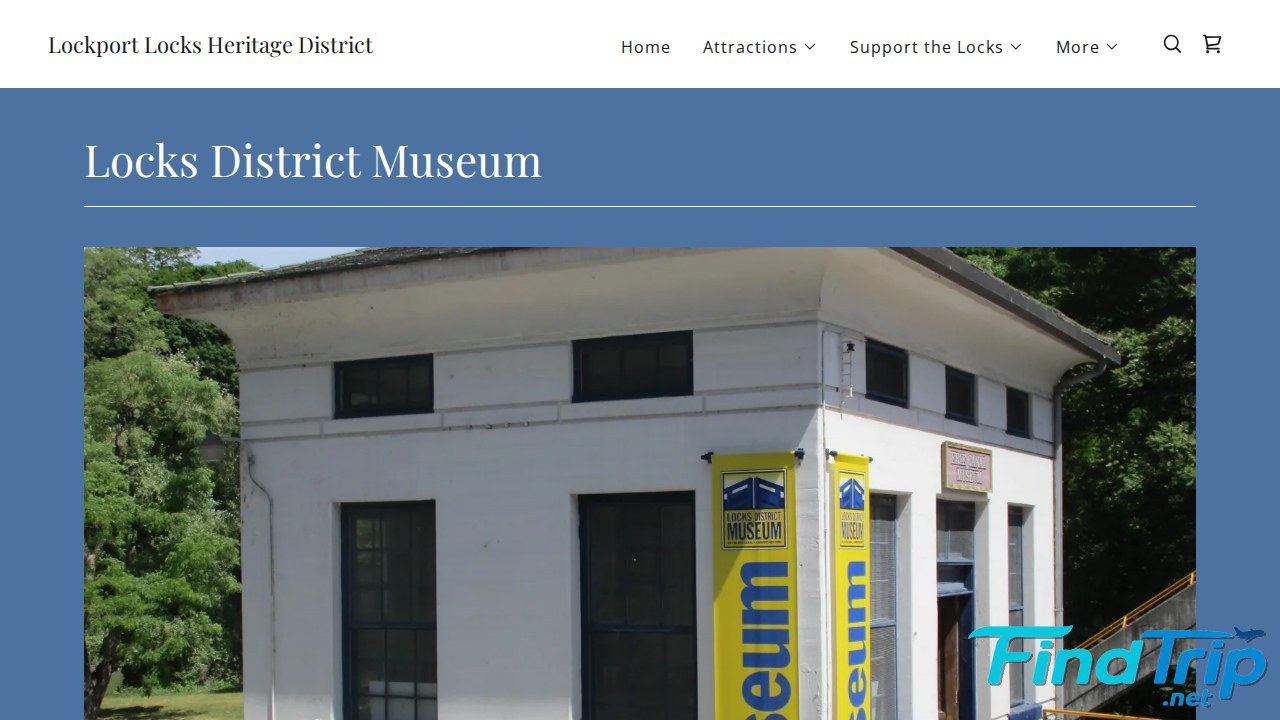
The New York State Erie Canal Museum at Locks 34 & 35 offers visitors an authentic look into one of America's most transformative civil engineering projects. Positioned directly between the hand-built 1820s Flight of Five and the massive 20th-century barge canal locks, this facility provides a rare, side-by-side view of how industrial technology evolved across a single century.
Key Highlights of the New York State Erie Canal Museum at Locks 34 & 35
- Unique Location Situated Between Two Eras of Canal Engineering: The museum occupies a uniquely significant geographical position within the Lockport Locks area, nestling directly between the historic original Erie Canal "Flight of Five" tier and the active Erie Barge Canal Locks 34 & 35. This placement allows visitors to step outside the exhibit space and physically stand between two distinct generations of American infrastructure. To one side rest the preserved 19th-century stone lock chambers that once raised and lowered wooden packet boats through the Niagara Escarpment, while directly adjacent lie the massive steel and concrete locks constructed during the early 20th-century expansion to accommodate motorized commercial barges. Seeing these two marvels side-by-side gives visitors an immediate, tangible sense of scale and engineering evolution that textbooks simply cannot replicate.
- In-Depth Exhibits Comparing Hand Construction Against Modern Industrialization: The core narrative curated within the museum centers on the stark technological contrast between the original 1820s canal construction and the early 1900s Erie Barge Canal renovation. Exhibits break down how thousands of immigrant laborers manually quarried local limestone, forged specialized iron implements, and dug hundreds of miles of channel using pickaxes, black powder, and horse-drawn scoops. In dramatic contrast, the display panels and artifact collections showcase how the subsequent barge canal era introduced steam shovels, electrical winches, heavy machinery, and poured concrete. This comparative focus highlights not only the physical tools used by lock builders but also the shifting economic demands of a rapidly industrializing United States that required wider, deeper, and faster inland trade channels.
- Seasonal Operating Schedule Tailored to the Canal Navigation Calendar: Aligned directly with the active navigation schedule of the New York State Canal System, the museum opens its doors seven days a week from May through November. Operating daily from 8:00 AM to 5:00 PM during this period, the museum ensures that regional road-trippers, maritime enthusiasts, and canal boaters can easily incorporate a visit into their itinerary. Because its operating months match the seasonal opening of the locks, visitors during this period frequently get to observe active watercraft lockages, watching present-day vessels pass through Locks 34 & 35 while exploring the surrounding historical grounds. Travelers planning visits outside the May-to-November window should note that indoor museum facilities close during the winter months, making seasonal timing an essential consideration for trip planning.
- Free Public Admission and Community-Driven Preservation: One of the most inviting features of the museum is its commitment to open public access, operating with no charge for admission. Maintained under the umbrella of the Lockport Locks Heritage District Corporation, the museum relies on community support, dedicated local volunteers, and donor contributions rather than mandatory ticket fees. This accessible structure makes it an easy, budget-friendly stop for families, educational groups, and independent travelers exploring the canal corridor. Visitors who wish to support ongoing preservation, educational programming, and lock restoration efforts have the option to make voluntary donations on-site or online through the heritage district’s platform.
- Seamless Connection to the Broader Locks District Heritage Attractions: Visiting the museum puts travelers right in the heart of a broader, highly walkable heritage complex that offers multiple complementary historical experiences. Within a short walking distance, visitors can access the Lock Tenders Tribute, explore the Erie Canal Discovery Center, or listen to self-guided lockport audio tours that provide context on the laborers who managed the water gates day and night. On select seasonal dates, visitors may also witness live demonstrations of the Flight of Five locks, where volunteers in period-appropriate attire operate restored wooden lock gates using traditional wooden balance beams. This concentration of related historical sites makes the museum an efficient anchor point for a comprehensive half-day or full-day exploration of the waterway's heritage.
- Direct Observation of Modern Inland Waterway Operations: Beyond its historical exhibits, the museum site serves as an active vantage point for observing modern canal operations at Locks 34 & 35. These modern locks feature a combined lift of approximately 50 feet, making them one of the most dramatic water elevation changes along the entire 338-mile modern Erie Canal route. Standing near the museum grounds, visitors can watch tugboats, private yachts, kayaks, and tour boats enter the massive chamber, witness the heavy steel gates seal shut, and observe millions of gallons of water rush in or drain out without the use of mechanical pumps, relying purely on gravity. This live operational element bridges the gap between historical museum displays and the living, breathing infrastructure of today's New York State Canal System.
Who Should Plan a Visit
This site is an ideal destination for civil engineering enthusiasts, American history buffs, road-trippers exploring Upstate New York, and families seeking an educational outdoor outing. History lovers will appreciate the detailed storytelling regarding 19th-century labor and logistics, while fans of technology and mechanics can spend hours studying the hydraulic principles and construction shifts between stone masonry and reinforced concrete. Because the surrounding park grounds are easy to navigate and offer clear viewing platforms overlooking active locks, the museum appeals equally to casual tourists looking for a scenic waterfront walk and dedicated heritage travelers retracing the historic trade routes that connected the Atlantic Ocean to the Great Lakes.
Essential Visitor Takeaway
Whether you are retracing historic trade routes across Upstate New York or studying early American civil engineering, a stop at this canal facility provides an unforgettable perspective on the waterways that built the nation.
To check seasonal updates, learn about volunteer opportunities, or support ongoing canal preservation efforts, visit the official [Locks District Museum Page](https://locksdistrict.com/locks-district-museum).