Navigating Old Fine Art Gallery in Ringwood: Step-by-Step Art Buying
Discover how to view, inspect, and purchase period oil paintings at Old Fine Art Gallery on High Street, Ringwood, Hampshire.
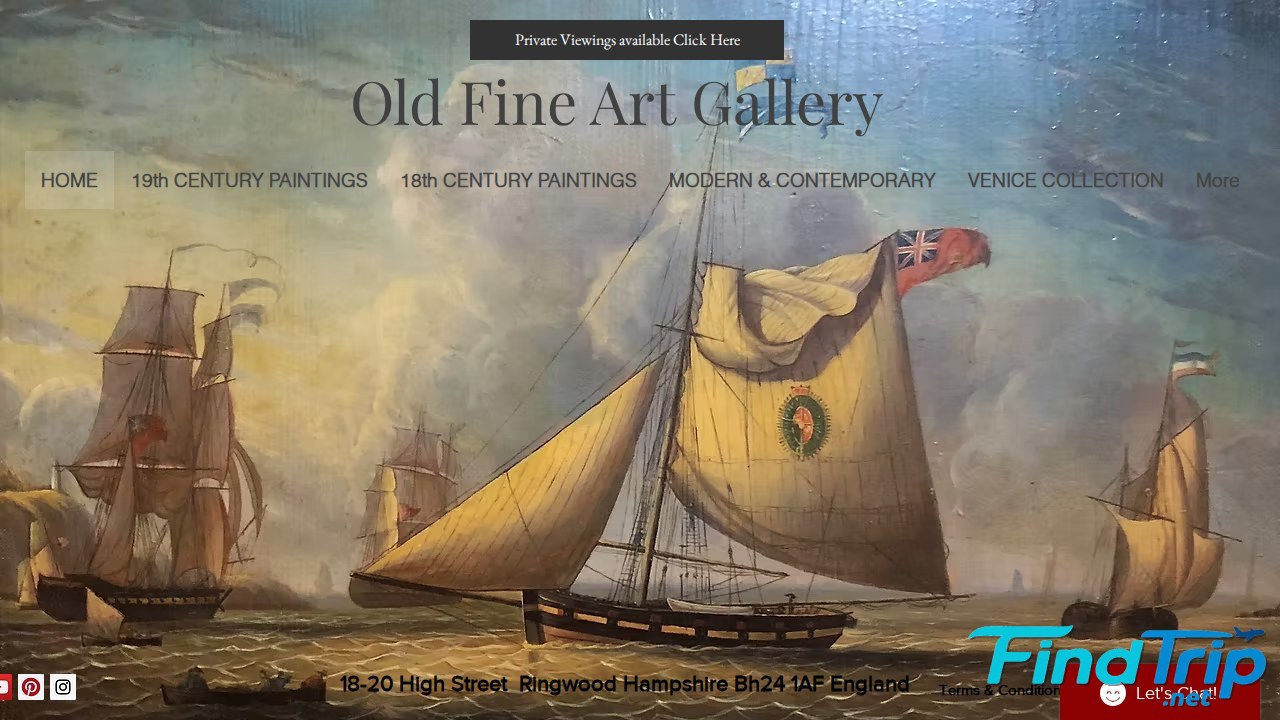
Stepping into the world of period art collecting can feel daunting, particularly if you are accustomed to contemporary white-cube galleries or commercial auction houses. At Old Fine Art Gallery, situated at 18-20 High Street in the historic market town of Ringwood, Hampshire, the experience is shaped by an ethos reminiscent of classic British antique hunting. Drawing inspiration from programmes such as Antiques Roadshow and the salvage trade championed by Drew Pritchard, the gallery focuses on sourcing authentic oil paintings from around the globe and making them accessible at practical price points.
Whether you are seeking a 19th-century British pastoral landscape, an 18th-century portrait, or a piece from their curated Venice collection, navigating your purchase requires a clear method. This guide breaks down the four essential steps to viewing, evaluating, and purchasing art through the gallery.
---
Step 1: Browse the Curated Categories and Identify Your Focus
Before planning an acquisition, it helps to understand how the inventory at Old Fine Art Gallery is organized. The collection focuses heavily on traditional mediums, with a dedicated emphasis on oil on canvas and panel.
The gallery primarily groups its stock across several historic and thematic categories:
- 18th-Century Paintings: These works often include formal portraiture, classical allegorical themes, and early European grand tour scenes. They are typically characterised by darker palettes, aged oil varnishes, and traditional wooden stretchers.
- 19th-Century British and Continental Works: The core of many classic English homes, these paintings feature maritime battles, rural working life, Victorian genre scenes, and Romantic landscapes.
- The Venice Collection: Dedicated views of Venetian canals, the lagoon, and historic architecture—a enduring favourite among British collectors since the days of the Grand Tour.
- Modern & Contemporary Works: Selective newer pieces that provide contrast, often suitable for contemporary interiors where traditional oil techniques are paired with looser brushwork.
Take time to review the online catalogue at oldfineart.com to flag specific reference numbers, titles, or periods of interest. Because inventory in traditional dealerships changes as estates and private collections are cleared, having two or three pieces in mind will make your subsequent contact far more focused.
---
Step 2: Request a Private Viewing and Confirm Gallery Access
Unlike high-street retail shops that operate on fixed, continuous retail schedules, specialised art galleries often cater directly to serious collectors through flexible appointments. Opening hours for Old Fine Art Gallery are not published online, making pre-arrangement the most reliable way to inspect artwork.
To organise your viewing:
- Call in Advance: Ring the gallery directly at +44 7773 777207 to confirm when staff will be present on-site at 18-20 High Street.
- Request a Private Viewing: The gallery explicitly provides private viewing sessions. Booking a private viewing allows the dealer to retrieve the works you wish to examine from storage, mount them under proper gallery lighting, and set aside dedicated time to discuss their history.
- Specify Any Additional Requests: If you want to view a painting alongside comparable works from the same school or era, inform the gallery beforehand so they can have relevant pieces accessible.
---
Step 3: Inspect the Canvas, Frame, and Condition in Person
Examining an oil painting in person is an irreplaceable part of buying art. While digital photographs show composition, they flatten the texture of impasto, obscure natural craquelure, and often distort varnish colouration.
During your visit to the Ringwood premises, work through this practical inspection checklist:
- Examine the Surface under Oblique Light: Look across the painting at an angle rather than purely head-on. Check for uneven varnishes, blistering, or flaking pigment. Light surface cracking (craquelure) is natural in 18th- and 19th-century oils, but loose paint flakes indicate a need for consolidation by a restorer.
- Inspect the Verso (Back of the Piece): Request to see the back of the panel or canvas. The back reveals whether the canvas has been re-lined (backed with modern canvas to strengthen brittle historic linen) or remains original. Look for historic gallery labels, export stamps, or chalk markings from past estate auctions.
- Check the Frame: Period frames—especially gilded plaster-on-wood frames from the 19th century—can be fragile. Note whether the frame is included in the stated price, whether it shows corner separations, or if it requires minor gilder’s wax touch-ups.
- Assess Colour Fidelity: Fluorescent and LED lighting alter the warmth of oil glazes. If possible, observe the work under balanced daylight near a window to appreciate the true tones of the sky, skin pigments, and foliage.
---
Step 4: Confirm Terms, Complete the Purchase, and Arrange Transport
Once satisfied with the provenance and condition of the artwork, finalize the administrative and logistical details. Old Fine Art Gallery positions its inventory around accessibility, aiming to bring decorative and historic paintings to the market at realistic valuations.
Oil paintings should never be carried unprotected in a car boot or balanced loosely on back seats. When taking immediate delivery from Ringwood, bring protective moving blankets, foam corner protectors, and cardboard sheeting to wrap the face of the canvas without touching the paint layer directly.
---
Common Mistakes to Avoid When Purchasing Fine Art
Navigating independent art dealerships requires a measured approach. Here are the most frequent missteps buyers make when sourcing period paintings:
1. Arriving Without Notice
Because standard opening hours are unlisted, turning up in Ringwood on a whim risks finding the premises closed while dealers are off-site sourcing inventory, visiting auctions, or conducting home consultations. Always call ahead at +44 7773 777207 to ensure someone is available to open the gallery.
2. Forgetting to Measure Your Wall Space and Sightlines
A painting that appears modest on a high gallery wall can easily overpower a domestic sitting room, particularly once the projection and width of an ornate gilt frame are factored in. Measure your intended wall space—including headroom above mantelpieces or sideboards—before attending your viewing.
3. Neglecting Lighting and Environmental Placement
Historic oil paintings are sensitive to sudden humidity shifts and direct ultraviolet light. Placing an 18th-century oil above an active, uninsulated radiator or opposite an unshaded south-facing window will accelerate varnish yellowing and canvas desiccation. Plan where the work will hang before committing to the acquisition.
4. Overlooking Restoration History
Virtually all oils dating to the 18th or 19th centuries have undergone some maintenance over their lifetime, whether cleaning, revarnishing, or minor inpainting. Assuming that any restored paintwork ruins a piece is a mistake; the key is ensuring that historic restorations were handled professionally and do not obscure major signatures or focal areas.
---
Summary Advice for Buyers in Hampshire
Acquiring original art from Old Fine Art Gallery at 18-20 High Street offers a hands-on, traditional buying experience. By browsing their categories online, booking a private viewing by telephone, carefully reviewing physical condition on-site, and planning your transport, you can secure distinctive period pieces with confidence. Take time to discuss the background of each canvas with the gallery staff—understanding the story behind an antique painting is half the pleasure of owning it.