Navigating Cash, ATMs, and Payments at Lincoln Park Pool in Albany, NY
Planning a trip to Lincoln Park Pool in Albany, NY? Read our guide on ATM availability, cash preparation, potential fees, and safety tips for your visit.
Planning an afternoon outdoor outing requires thinking through the small details that make a trip smooth and stress-free. Whether you are taking your family out to enjoy a summer day, relaxing near the water, or supervising kids at a playground, having the right form of payment on hand is essential. Lincoln Park Pool, located in the heart of Albany County, New York (serving the greater Albany area including nearby communities like Roessleville), stands as a major local recreational destination.
When preparing for a visit to a public park facility, visitors often wonder whether they should carry physical cash, rely on credit cards, or count on finding an automated teller machine (ATM) on-site. Knowing how to handle your money, where to withdraw cash, and what financial safety steps to take beforehand guarantees that your park day remains focused on recreation rather than scrambling for funds.
---
Cash Preparation and Withdrawing Funds for Your Park Visit
Carrying a modest amount of physical cash is a practical habit when visiting public municipal facilities. While many modern services accept digital or credit card payments, small cash denominations remain useful for unexpected daily expenses. You might need small bills for purchasing snacks from nearby vendors, tipping service staff, or handling small parking or transit costs around Albany County.
Before heading out to Lincoln Park Pool, it is wise to assess your cash requirements based on your group size and planned activities. Deciding whether to withdraw cash beforehand or search for a machine upon arrival depends heavily on the specific amenities provided at the location.
When planning your trip from nearby residential areas, withdrawing cash from your primary bank branch or a trusted network ATM before reaching the park precinct offers several practical advantages:
- Avoided Delays: Skipping the search for a cash machine upon arrival gives you more time to secure a spot near the water or pavilions.
- Optimal Denominations: Bank ATMs allow you to choose smaller bill denominations ($5 and $10 bills), which are far easier to use with local vendors who may not have ample change for $50 or $100 notes.
- Reduced Transaction Stress: Having physical cash organized in advance minimizes the need to carry your entire wallet or primary credit cards near water zones.
---
On-Site ATM Availability at Lincoln Park Pool
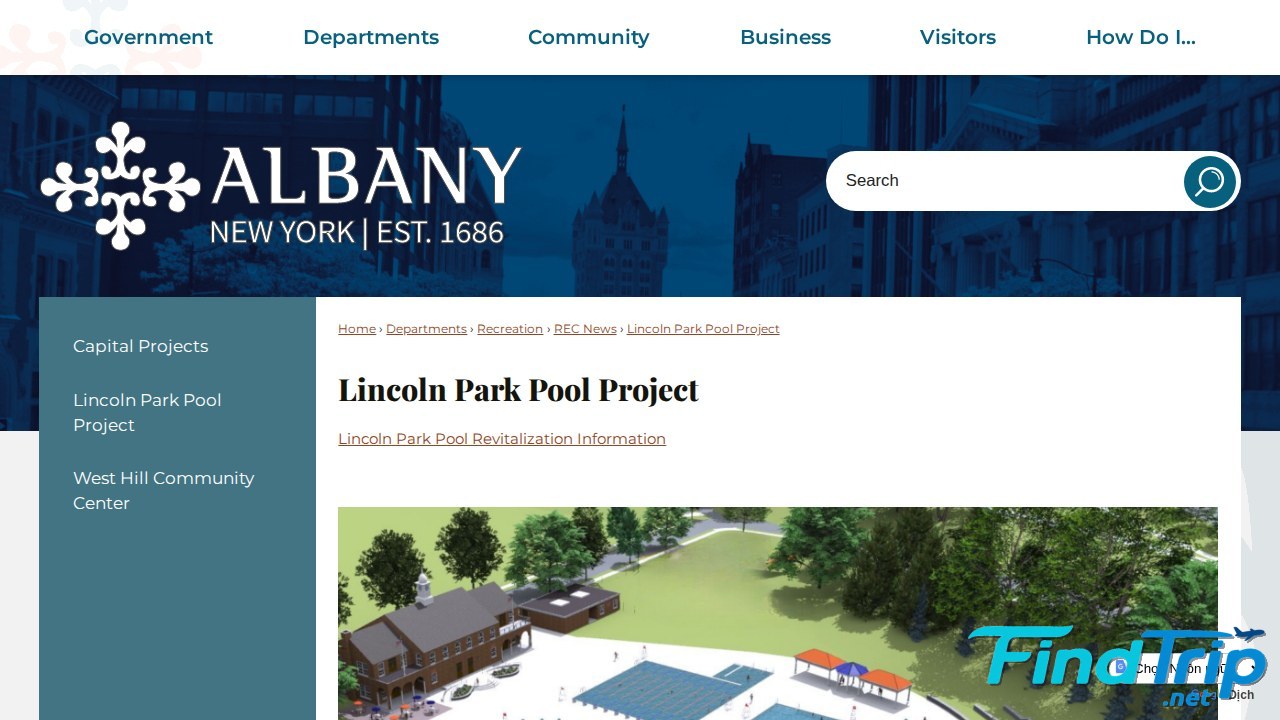
When evaluating the financial infrastructure directly inside Lincoln Park Pool, visitors must rely on verified municipal facility descriptions. The extensive revitalization project for Lincoln Park Pool—frequently referenced as the "Concept A" community design—focuses heavily on modern aquatic and recreational structures.
Official project documentation outlines several key facility features:
- A 10,000-square-foot Zero-Entry Pool equipped with in-water spray features.
- A 10-lane, half-size Olympic lap pool spanning 5,620 square feet.
- A 6,000-square-foot interactive splash pad.
- A dedicated water slide and an adjacent 10,000-square-foot playground.
- Support amenities including restrooms and spacious shade pavilions.
What Official Sources Say About Cash Machines
Official City of Albany municipal updates and project outlines do not explicitly confirm or guarantee an active on-site ATM inside the Lincoln Park Pool complex or its immediate pool deck. Because public park renovations prioritize safety, water filtration, accessibility, and recreational equipment, automated teller machines are rarely installed directly inside outdoor aquatic zones due to moisture risks and security considerations.
Because on-site ATM availability is not officially listed in municipal records, visitors should not count on finding a cash machine once inside the pool gates. If you require cash for your outing, the most reliable strategy is to visit an ATM at a retail store, gas station, or bank branch in the surrounding Albany area prior to arrival. Anyone who prefers to verify on-site service changes or seasonal pop-up vendor setups should consult the official City of Albany Department of Recreation channels prior to their trip.
---
Understanding Fees and Payment Policies
Understanding potential transaction costs helps keep your budget predictable. Many travellers and local residents assume that using an ATM near a recreational site carries fixed percentages or standard surcharges, but actual fees vary widely depending on the network used.
Fee Transparency from Official Documentation
Official municipal documentation for Lincoln Park Pool does not state specific entrance fee structures or payment transaction surcharges within published project overviews. Furthermore, official records do not specify any standardized transaction fees (such as a 2% processing fee) for park services. Visitors should avoid assuming arbitrary percentage surcharges and instead check directly with local municipal recreation guidelines for current admission or program pricing.
Avoiding Third-Party ATM Fees in the Surrounding Area
If you find yourself needing to withdraw cash near the park, you will likely use an off-site, third-party ATM at a nearby business in Albany County. Using non-network ATMs can lead to two separate fees:
1. Operator Surcharge: A flat fee charged directly by the independent owner of the cash machine.
2. Out-of-Network Bank Fee: A fee assessed by your own financial institution for completing a transaction at an un-affiliated machine.
To manage your spending effectively, review this quick comparison of payment and withdrawal strategies before heading out:
| Payment Method / ATM Strategy | Convenience Level | Potential Fee Impact | Best Recommended Use |
| :--- | :--- | :--- | :--- |
| Pre-Trip Bank ATM Withdrawal | High | None (In-network) | Best for obtaining small cash bills with zero added fees. |
| Off-Site Commercial ATM | Moderate | Flat surcharge + bank fee | Good for emergency cash needs en route to the park. |
| Direct Card Payments (If accepted) | High | None (Standard card terms) | Convenient for main expenses if local vendors support chip/contactless payments. |
| Unplanned On-Site Cash Search | Low | Unpredictable / Machine may be unavailable | Not recommended; cash machines are not guaranteed on pool premises. |
---
Cash Safety and Personal Security Guidelines
Carrying physical currency while visiting aquatic facilities requires extra attention to personal safety and asset protection. Water, crowded sunbathing areas, and active play zones create environments where paper cash can easily be damaged, misplaced, or stolen if left unattended.
Protecting Cash and Valuables Near Water
Water and paper currency do not mix well, and carrying loose cash in swimwear pockets is a common mistake. Follow these general cash security practices when visiting open-air pools and playgrounds:
- Use Waterproof Storage: Invest in a small, neck-hung waterproof pouch or dry bag for essential cash bills, ID cards, and key cards. This allows you to keep vital items secure without leaving them unattended on lawn chairs.
- Limit Cash Amounts: Carry only the amount of cash you reasonably expect to spend during the day. Leave surplus currency, high-value wallet items, and non-essential credit cards stored safely at home.
- Discreet Cash Handling: Avoid pulling out large wads of cash when paying for small purchases. Keep smaller bills ($1, $5, $10) separated from larger bills so you can complete transactions quickly and discreetly.
- Utilize Secure Storage Options: If the facility or adjacent recreation centers provide secure storage lockers, bring a sturdy padlock to store your bag, footwear, and wallet while you are swimming.
- Never Leave Valuables Unattended: Never leave wallets or loose cash tucked inside open tote bags on lounge chairs, under shade pavilions, or near the edge of the splash pad while taking a dip.
Smart ATM Safety Practices in Public Settings
If you need to stop at an ATM in the surrounding city or neighboring districts like Roessleville before heading to the pool, keep standard security protocols in mind:
1. Choose Well-Lit, Populated Locations: Prefer ATMs located inside well-lit bank lobbies, major grocery stores, or busy retail outlets over secluded standalone outdoor terminals.
2. Inspect the Card Reader: Briefly check the machine's card slot and keypad for unusual attachments or loose parts that could indicate a skimming device.
3. Shield Your PIN: Always cover the keypad with your hand when entering your security code, even if no one appears to be standing directly behind you.
4. Secure Cash Immediately: Count your cash discreetly inside your vehicle or in a secure spot, and pocket it immediately before stepping out into public walkways.
---
Final Planning Checklist for Your Visit
A successful day at Lincoln Park Pool comes down to simple preparation. Because the venue features modern family-friendly upgrades—including a lap pool, splash pad, water slide, and expansive playground—planning your payment logistics ahead of time leaves you free to enjoy the day without interruptions.
Before departing for the park, run through this final checklist:
- [ ] Prepare Physical Cash in Advance: Stop by your personal bank or in-network ATM to withdraw $10–$30 in small bills ($1, $5, $10).
- [ ] Pack Waterproof Pouches: Ensure you have a dry bag or waterproof neck sleeve to protect cash and IDs from splash pad moisture.
- [ ] Verify Official Operating Guidelines: Since pool rules, program costs, and operating schedules can change seasonally, check the official City of Albany Department of Recreation portal or contact city administrative channels for real-time updates.
- [ ] Secure Your Essentials: Plan to keep your money attached to your person or locked away securely while taking advantage of the pool and playground facilities.
Taking a few minutes to organize your cash and review payment safety beforehand ensures a smooth, worry-free trip to Lincoln Park Pool.