Mosher Marsh Preserve: Pre-Visit Trail & Planning Checklist
Essential pre-visit checklist for Mosher Marsh Preserve in NY. Trail details, gear list, boardwalk steps, and tips for exploring this 1-mile wetland loop.
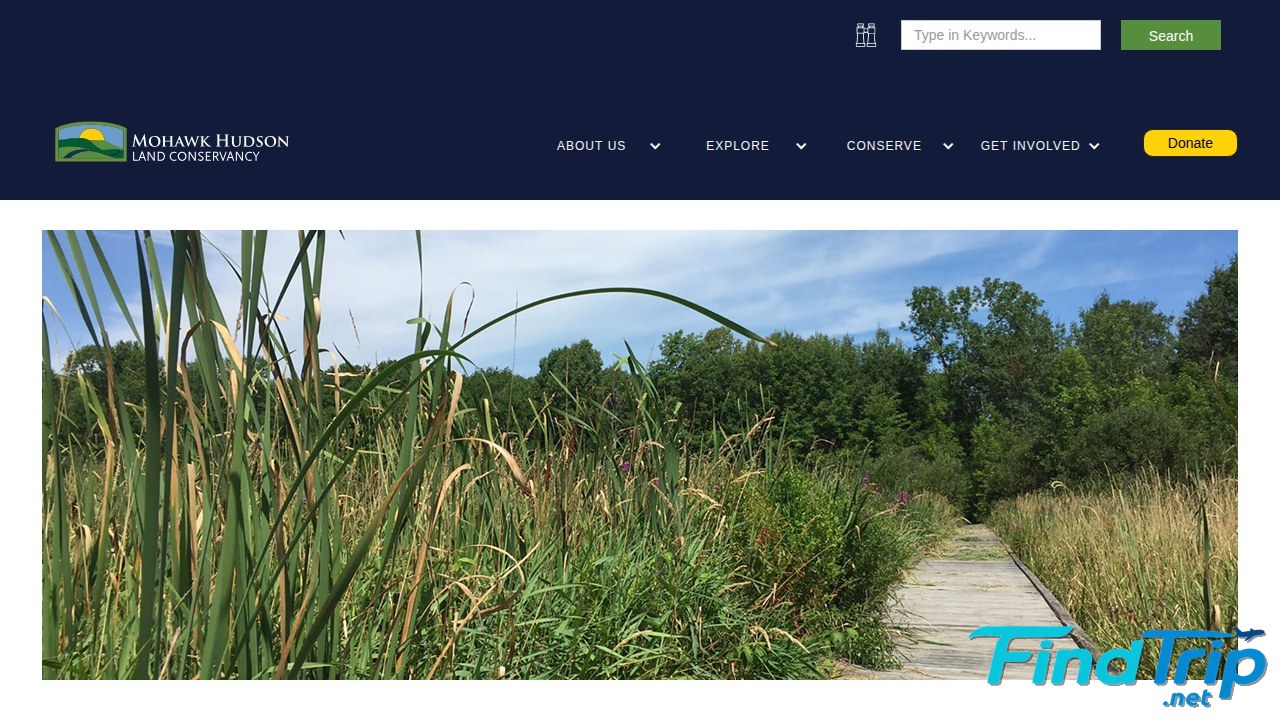
This practical guide serves as your quick-reference checklist to prepare for a day outdoors at Mosher Marsh Preserve, rather than a lengthy narrative review. Whether you are aiming to spot local bird species along the wetlands or stretch your legs on the short loop trail, having the right information upfront ensures a smooth visit. Use this step-by-step preparation list to plan your gear, trail route, and post-hike tasks effectively.
---
Quick Logistical Information & Site Essentials
Before heading out, review the basic operational facts for Mosher Marsh Preserve. Because amenities and opening policies at natural preserves can shift based on land management updates or seasonal weather, verify key details prior to setting out.
| Information Category | Preserve Details & Status |
| :--- | :--- |
| Preserve Name | Mosher Marsh Preserve |
| Location / Address | Wellsville, Allegany County, New York, US |
| Managing Organization | Mohawk Hudson Land Conservancy (MHLC) |
| Trail Distance | 1-mile loop trail |
| Terrain Profile | Flat terrain crossing open fields, woodlands, and marshland |
| Key Highlights | 300-foot boardwalk, shallow ponds, beaver lodges, May lupine blooms, historic family cemetery |
| Operating Hours | Unconfirmed (Typically dawn to dusk for nature preserves; verify before visiting) |
| Admission / Entry Fee | Unconfirmed (Public nature preserves usually offer free access; check official listings) |
| Reservation Requirement | Unconfirmed (Generally open to the public without advance bookings) |
| Contact Phone Number | 518-436-6346 (MHLC Main Office) |
| Official Trail Map & Web Page | mohawkhudson.org/our-preserves/mosher-marsh/ |
Land Context and History
Donated to the Mohawk Hudson Land Conservancy by Ellie Peters in 2008, this 43-acre preserve protects a natural wetland ecosystem enhanced by several shallow man-made ponds designed to foster wildlife habitats. A small stream—a tributary flowing into Chuctanunda Creek—runs through the heart of the property, creating a rich environment for resident and migratory fauna.
---
Pre-Visit Checklist: What to Pack and How to Prepare
Proper preparation ensures you stay comfortable and protect the local ecosystem. Wetland conditions mean damp ground is common, even during dry spells.
1. Essential Gear and Footwear
- Waterproof Footwear: Wear sturdy, waterproof hiking boots or rubber-soled footwear. Wet terrain, field dew, and marshy sections near the boardwalk require moisture-resistant footwear.
- Weather-Appropriate Clothing: Dress in breathable layers. Long sleeves and lightweight long pants are strongly advised to protect against ticks, stinging insects, and dense field vegetation.
- Sun and Insect Protection: Apply broad-spectrum sunscreen and insect repellent containing DEET or Picaridin, especially during late spring and summer when mosquitoes and deer flies thrive near standing water.
- Optics for Wildlife Observation: Pack a pair of compact binoculars and a field guide (or smartphone birding application) to observe wetland birds without disturbing their nesting sites.
2. Navigation and Digital Tools
- Download Maps in Advance: Mobile network coverage can fluctuate in rural sections of Allegany County. Download the official trail map or use the MHLC Map App prior to arriving at the trailhead.
- Fully Charged Phone / Power Bank: Ensure your mobile phone is fully charged if you intend to use digital mapping or capture photographs of the wetland landscape.
3. Hydration and Waste Management
- Reusable Water Bottle: Carry enough fresh drinking water for your walk, as there are no public water fountains or potable water stations on site.
- Pack-It-In, Pack-It-Out Bags: Bring a small trash bag or sealable pouch to carry out all personal waste, food scraps, and pet waste. Trash receptacles may not be available at the entrance.
4. Seasonal Timing Considerations
- Spring (May): Schedule your visit during May if you wish to see blooming lupine along the entrance trail. Be prepared for mud on low-lying field segments.
- Summer: Visit during early morning or late afternoon to avoid peak daytime heat and heightened insect activity around the marsh.
- Autumn & Winter: Check weather forecasts for early frosts or icy boardwalk conditions, which can make wooden footbridges slippery.
---
On-Site Checklist: Step-by-Step Activity Sequence
When you arrive at Mosher Marsh Preserve, follow this ordered checklist to make the most of your excursion while respecting the natural habitat.
Step 1: Check the Entrance Information Kiosk
Upon arrival, stop at the entrance trailhead board. Review any posted notices regarding seasonal trail maintenance, wildlife alerts, or specific conservation rules established by the land conservancy.
Step 2: Begin the One-Mile Loop Trail
Follow the marked path as it transitions from open fields into young woodland habitat. Maintain a steady pace and keep to the designated trail to prevent soil erosion and protect nesting plants along the field edges.
Step 3: Traverse the 300-Foot Wetland Boardwalk
Step onto the 300-foot elevated wooden boardwalk that carries visitors directly across the core wetland zone. Watch your footing, particularly if the wood surface is wet or covered in damp fallen leaves.
Step 4: Scan for Beaver Lodges and Habitat Potholes
Stop at the built-in bench areas along the boardwalk to survey the open water features:
- Look across the shallow ponds for structural evidence of beaver lodges and dams.
- Scan the small water pools—known as habitat potholes—which serve as critical foraging and shelter spots for wading birds, waterfowl, and amphibians.
- Listen for distinct bird calls across the marsh and tributary stream.
Step 5: Locate Historical Features and Seasonal Flora
As the loop continues through mixed forest and field edges, keep an eye out for unique landscape elements:
- Historic Family Cemetery: Note the small historic family cemetery situated within the preserve boundaries, reflecting the agricultural heritage of the land.
- Lupine Patches: If visiting during May, observe the vibrant blue and purple lupine blossoms near the entrance and open trail corridors.
Step 6: Practice Leave No Trace Principles
Remain on the established path throughout your loop hike. Refrain from picking wildflowers, disturbing wildlife, or entering sensitive wetland zones outside the designated boardwalk and footbridges.
---
Post-Trip Checklist: Mandatory After-Hike Steps
Completing a few quick maintenance checks right after your walk helps protect both your health and the local environment for future visitors.
- Perform a Thorough Tick Check: Ticks are prevalent in grass fields and shrubby brush throughout New York State. Inspect your clothing, socks, shoes, and exposed skin before getting into your vehicle. Inspect pets thoroughly if they accompanied you on a leash.
- Clean Footwear Soles: Scrape off mud, seed heads, and soil from your boot treads before traveling to another hiking area. This prevents the spread of invasive weed seeds across regional natural areas.
- Report Trail Hazards or Maintenance Needs: If you encounter fallen trees across the boardwalk, damaged structures, or missing trail markers, contact the Mohawk Hudson Land Conservancy office at 518-436-6346 or submit a report via their official website to assist trail maintenance crews.
---
Summary
By running through this pre-trip checklist before visiting Mosher Marsh Preserve, you can look forward to a seamless, well-prepared outdoor experience along its 1-mile wetland loop.