Midtown Shangri-La: An Honest Guide to Its Visual and Culinary Appeal
An honest, objective guide to the visual appeal of Midtown Shangri-La in Detroit. Discover what to expect when photographing their authentic dim sum and curries.
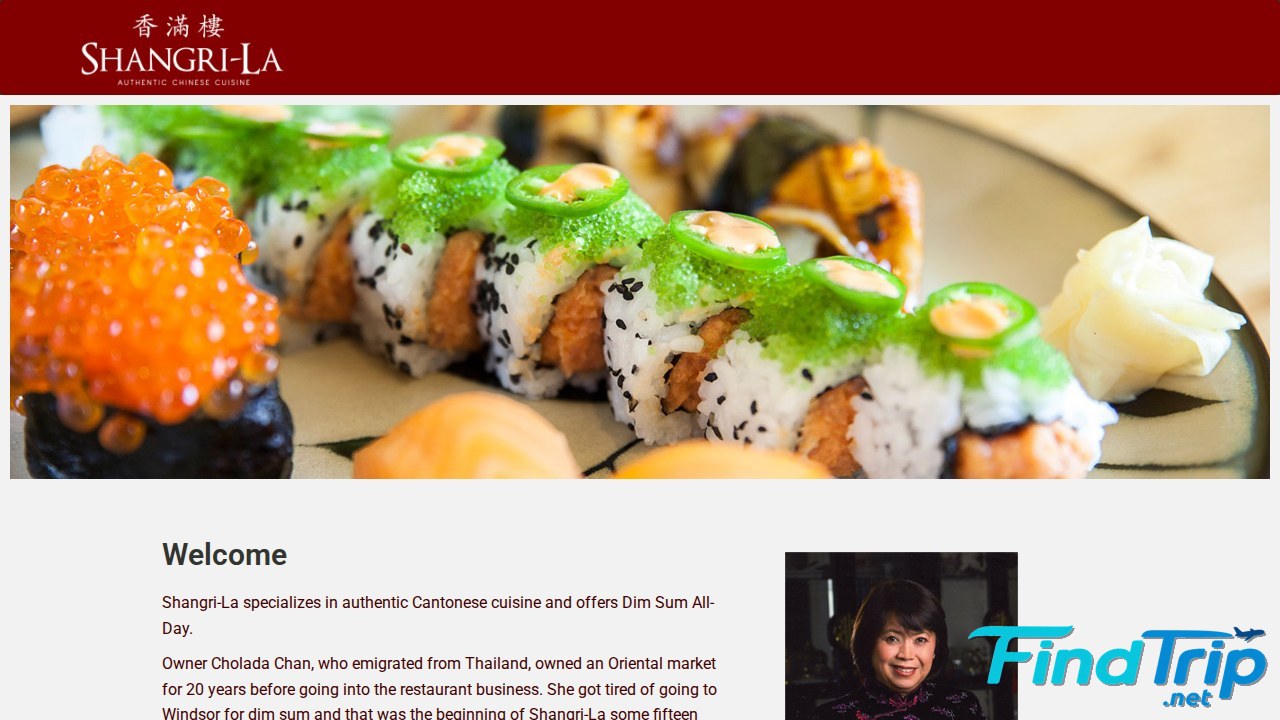
When scouting locations that offer both culinary substance and visual interest, it is easy to be misled by establishments that prioritize aesthetic backdrops over the quality of their offerings. Midtown Shangri-La, located on Cass Avenue in Detroit, presents a different kind of opportunity. This is not a venue engineered for viral social media posts, but rather a 15-year-old neighborhood staple rooted in authentic culinary history.
For those looking to document their dining experiences, understanding the visual reality of this restaurant requires looking past modern design trends and focusing entirely on the plate. This guide provides an objective look at what you can expect when bringing your camera to this establishment, focusing on the realities of the space, the presentation of the food, and the practicalities of capturing it.
Is It Actually Worth Stopping for Photos?
If your goal is to find neon signs, artificial flower walls, or heavily curated interior design meant specifically as a photo backdrop, Midtown Shangri-La will not meet your expectations. However, if you are a food photographer, a culinary enthusiast, or someone who appreciates documenting authentic, culturally rich meals, it is absolutely worth a stop.
The visual appeal here is driven entirely by the menu, which features a unique intersection of culinary traditions. The restaurant was founded by Cholada Chan, who emigrated from Thailand and operated an Oriental market for two decades before transitioning into the restaurant business. The origin story of the restaurant—born out of the owner's frustration with having to cross the border into Windsor just to find good dim sum—translates directly into the visual authenticity of the food served today.
When you sit down to take photos, the subjects are the dishes themselves. The restaurant specializes in authentic Cantonese cuisine and offers all-day Dim Sum. Visually, this means your table can be filled with traditional bamboo steamer baskets, offering excellent opportunities for top-down flat-lay photography. The rising steam from fresh dumplings, the varied textures of Cantonese dishes, and the structured presentation of their sushi menu provide ample material for macro photography.
Furthermore, the owner’s Thai heritage introduces unexpected pops of color to the visual palette of the table. The menu includes a selection of red, green, and massaman curries. These dishes, featuring coconut milk, kaffir lime, and Thai basil, offer vibrant greens and deep reds that contrast beautifully with the more neutral, earthy tones of traditional dim sum baskets.
Where You Can (and Should) Point Your Camera
The official website for Midtown Shangri-La does not outline a specific photography policy. In the absence of explicit rules, standard restaurant etiquette applies, which dictates where and how you should operate your camera to avoid disrupting the business or other patrons.
The Table is Your Studio
Your primary, and arguably only, designated shooting zone is your own table. Because the restaurant focuses heavily on dine-in service (with a strict last call 30 minutes before closing), the dining room is a space for eating, not for staging elaborate photoshoots.
- Focus on the Food: Keep your lenses pointed downward or across your own table. The intricate details of the sushi rolls or the glossy finish on Cantonese dishes are where the true visual value lies.
- Avoid the Kitchen and Staff Areas: Do not attempt to photograph the kitchen, the staging areas, or the staff working. This is a functioning, busy restaurant, and obstructing service for a photograph is inappropriate.
- Respect Other Diners: Midtown Shangri-La is a local fixture. Other patrons are there to enjoy their meals in peace. Ensure your camera is not capturing the faces of strangers in the background of your shots.
Equipment Limitations
Given that this is a traditional dining environment, bringing heavy photography equipment is not recommended.
- Leave the tripods at home: They create tripping hazards and take up unnecessary space in the dining room.
- Avoid flash photography: Harsh artificial lighting is highly disruptive to other guests and often flattens the natural textures of food anyway. Rely on the ambient lighting of the restaurant or whatever natural light is available near the windows on Cass Avenue.
For those who prefer to control their lighting and environment entirely, Midtown Shangri-La offers a robust Carry Out service. Ordering your dim sum or Thai curries to go allows you to plate the food at home or in a studio setting where you have total control over the visual outcome.
The Reality vs. The Restaurant Marketing
In the era of hyper-stylized food marketing, it is important to align your expectations with the physical reality of the venue. The name "Shangri-La" traditionally evokes images of a mythical, pristine utopia. If you arrive expecting a lavish, highly polished, modern resort aesthetic based purely on the name, you will be surprised.
The reality of Midtown Shangri-La is that it is a grounded, practical, and highly functional dining space. It has been operating for roughly fifteen years, and its charm lies in its longevity and focus on substance over style.
Visualizing the Space
When you look at modern restaurant marketing, you often see heavily edited photos with perfect lighting, high contrast, and staged environments. The reality of dining at 4710 Cass Avenue is much more straightforward:
- Lighting: Expect standard, functional restaurant lighting. It may not be the perfectly diffused, soft lighting favored by professional food photographers. You will need to work with the shadows and color temperatures present in the room. If you are shooting with a smartphone, you may need to adjust your exposure manually to capture the details of the dim sum inside the deeper bamboo baskets.
- Plating: The plating here is authentic and traditional, not necessarily engineered for the camera. A bowl of massaman curry will look like a comforting, hearty bowl of curry—it will not be painstakingly arranged with tweezers. The beauty is in the honest representation of the food.
- Atmosphere: The visual background of your photos will likely feature the standard trappings of a busy Asian restaurant. You will capture the reality of a place that serves both sushi and Cantonese classics, rather than a minimalist, curated backdrop.
The contrast between the expectation of a "photo spot" and the reality of Midtown Shangri-La is stark, but not negative. The restaurant offers a genuine look at Detroit's diverse culinary landscape. The visual story here is about the blending of cultures—a Thai immigrant who ran an Oriental market, serving authentic Cantonese dim sum alongside Thai curries reflecting her heritage. Capturing that reality requires an honest lens, not a filter.
Final Verdict on Capturing Midtown Shangri-La
Midtown Shangri-La is not a destination for those seeking superficial aesthetics or trendy architectural backdrops. It is, however, an excellent location for culinary documentation. The visual draw is entirely on the plate, offering a unique opportunity to photograph a menu that seamlessly blends Cantonese dim sum traditions with vibrant Thai flavor profiles and Japanese sushi.
If you plan to visit with your camera, focus on the textures, the steam, and the rich colors of the food. Respect the space as a long-standing neighborhood restaurant, keep your equipment minimal, and appreciate the unpolished, authentic visual narrative that the establishment provides.
Essential Information for Your Visit:
Before planning a trip to photograph or dine, please note the following operational details directly from the establishment:
- Location: 4710 Cass Avenue, Detroit, MI 48201
- Phone: 313.974.7669
- Service Options: Dine-In, Carry Out, Dim Sum, Sushi
- Important Timing: Last call for both dine-in and carry-out is strictly 30 minutes before closing.
Operating Hours:
| Day | Hours |
| :--- | :--- |
| Monday - Thursday | 11:00 AM - 9:00 PM |
| Friday - Saturday | 11:00 AM - 10:00 PM |
| Sunday | Closed |
(Note: Always verify current hours and menu availability directly with the restaurant via phone or their official website before planning your visit, as operational details can shift).