Kuma Ani Express Review: Authentic Japanese Ramen & Comfort Food
Explore Kuma Ani Express in Albany: authentic house-made ramen noodles, rich Tonkotsu broth, flavorful Donburi, and signature dry-mixed Ban Mein.
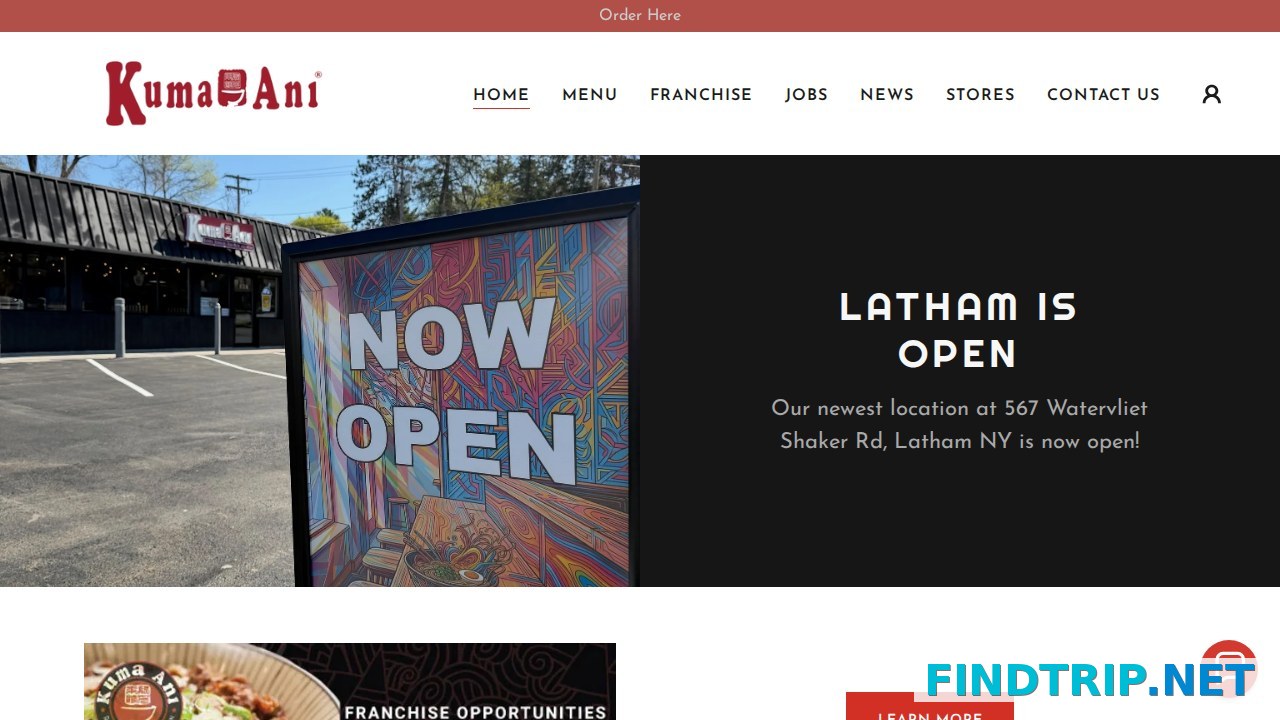
Japanese comfort food has evolved far beyond basic sushi rolls and standard teriyaki plates. Today’s discerning diners seek rich, collagen-infused broths, handcrafted noodles with the perfect chew, and vibrant stir-fried offerings that warm the soul. In the Capital Region of New York, Kuma Ani Express has emerged as a landmark destination for food enthusiasts hunting for authentic, high-quality Japanese fast-casual cuisine.
Whether you visit their established spots in the Albany area or explore their expanding footprints, Kuma Ani delivers a culinary experience rooted in traditional craft and modern convenience. This comprehensive review breaks down what makes Kuma Ani Express a standout dining option, evaluating its menu depth, operational design, dining use-cases, and overall value.
---
1. General Overview & Atmosphere
At its core, Kuma Ani built its reputation on a simple, uncompromising promise: delivering top-notch Japanese cuisine made with fresh, premium-grade ingredients. While many casual eateries rely on pre-packaged noodles and bulk-manufactured broth concentrates, Kuma Ani takes the high road by making their noodle dough in-house and simmering authentic broths from scratch.
The atmosphere across Kuma Ani locations strikes a balance between modern minimalism and inviting warmth. It is designed for maximum operational efficiency without sacrificing guest comfort.
- Service Style: Fast-casual with a strong focus on seamless dine-in seating alongside a highly efficient takeout pipeline.
- Ingredient Philosophy: Seasonal, locally sourced components paired with essential imported Japanese seasonings (such as high-grade shoyu, miso, and specialty mirin).
- Location Footprint: Conveniently situated to serve residents, college students, and working professionals across Albany and surrounding areas like Latham and Bethlehem.
Whether grabbing a quick bite during a hectic lunch break or sitting down for an informal dinner, guests are greeted by clean aesthetic lines, comforting aromas of simmering pork bones, and attentive, streamlined service.
---
2. Menu Highlights & Culinary Experience
The menu at Kuma Ani Express is focused yet versatile. Instead of overwhelming guests with hundreds of items, the kitchen concentrates on three signature categories: Ramen, Donburi, and Ban Mein.
Freshly Made House Noodle Ramen
The cornerstone of Kuma Ani’s menu is undoubtedly its signature ramen line. A great bowl of ramen relies on two elements working in complete harmony: noodle texture and broth complexity.
- House-Crafted Noodles: Unlike standard mass-produced ramen noodles, Kuma Ani crafts fresh noodles in-house. The result is a noodle with superior elasticity, dynamic bite (often referred to as kosh-texture), and an exceptional ability to cling to broth.
- Tonkotsu Broth: Rich, milky, and deeply savory, this pork-bone broth undergoes hours of rolling boiling to extract every bit of flavor and natural gelatin. It leaves a velvety coating on the palate that defines top-tier tonkotsu.
- Chicken Broth: For diners seeking a lighter yet equally satisfying option, the savory chicken broth delivers clean umami notes paired with subtle aromatic oils.
Traditional & Modern Donburi (Rice Bowls)
For those craving rice over noodles, Kuma Ani’s Donburi bowls offer a deeply satisfying balance of grains, proteins, and rich sauces. Steamed Japanese short-grain rice serves as the backdrop for tender simmered meats, fresh scallions, caramelized onions, and sweet-savory tare glazes. Each bowl represents classic Japanese comfort food—hearty, balanced, and deeply nourishing.
The Unique Ban Mein Experience
A standout feature that sets Kuma Ani apart from standard ramen joints is its focus on Ban Mein (dry-mixed noodles).
Unlike soup noodles submerged in liquid broth, Ban Mein is served with concentrated sauces, aromatics, and an array of colorful toppings. Diners are encouraged to vigorously mix every component together before taking their first bite. This process coats every individual noodle strain with emulsified sauce, offering an explosive, concentrated burst of flavor without the heavy liquid base of traditional soup.
---
3. Real-World Use Cases: Who Is Kuma Ani For?
Understanding how a restaurant fits into your lifestyle is key to planning your visit. Kuma Ani Express adapts remarkably well to several real-world scenarios:
The Busy Professional on a Lunch Break
With streamlined kitchen logistics, Kuma Ani is engineered for speed. If you have a 45-minute lunch window, ordering a signature Donburi or quick bowl of ramen guarantees a hot, restaurant-quality meal without agonizing wait times.
The Takeout Specialist
One common issue with noodle delivery is sogginess. Kuma Ani resolves this by utilizing specially designed takeaway packaging. Broth and noodles are kept separate until you are ready to eat, preserving the original chew of the house-made noodles even after a 20-minute drive home.
Casual Solitary Dining or Quick Date Nights
The laid-back, modern interior makes Kuma Ani an unpretentious spot for solo diners looking to enjoy a quiet meal with a good book or podcast. Simultaneously, the vibrant menu and quick service make it a fun, low-pressure option for informal weeknight dates.
---
4. Pros & Cons Analysis
To maintain an objective, expert evaluation, here is a transparent look at where Kuma Ani shines and where potential guests should set expectations.
Advantages (Pros)
- Superior Noodle Quality: In-house noodle manufacturing sets them significantly above regional competitors relying on frozen or dried noodles.
- Thoughtful Packaging: Takeout orders preserve food integrity exceptionally well through compartmentalized containers.
- High Broth Depth: Long-simmered Tonkotsu exhibits authentic collagen body and complex seasoning.
- Diverse Variety: Offers great alternatives (Ban Mein and Donburi) for diners who prefer dry noodle dishes or rice-based meals over hot soups.
- Consistency: Strict sourcing standards deliver reliable flavor profiles regardless of season.
Limitations (Cons)
- Peak Hour Waiting: Due to popular demand during lunch and dinner rushes, seating in smaller express footprints can fill up quickly.
- Rich Broths May Be Heavy: The authentic Tonkotsu is intentionally rich; casual diners unfamiliar with genuine pork bone broth might find it intense (opting for the lighter chicken broth is recommended in such cases).
- Limited Customizations for Strict Diets: While ingredients are fresh, traditional Japanese stocks naturally utilize soy, gluten, and meat foundations, requiring careful navigation for strict vegan or gluten-free guests.
---
5. Insider Tips & Advice for Visitors
Maximizing your culinary experience at Kuma Ani Express comes down to ordering smart:
1. Master the Ban Mein Technique: Don't eat Ban Mein layer by layer! Use your chopsticks and spoon to fold the dish repeatedly from the bottom up until the sauce completely coats every noodle.
2. Takeout Assembly: When unpacking your ramen at home, heat your broth until it is piping hot before pouring it over the room-temperature noodles. This ensures the perfect serving temperature without overcooking the pasta.
3. Explore Seasonal Specials: Keep an eye out for seasonal menu rotations and promotional offerings, as Kuma Ani periodically introduces limited-run broth variations and side dishes.
4. Off-Peak Visits: For the fastest dine-in service, plan your visit slightly outside prime dining hours (e.g., around 1:30 PM for lunch or before 5:30 PM for dinner).
---
6. Conclusion
Kuma Ani Express succeeds because it respects the fundamentals of Japanese comfort cooking while embracing modern service needs. By prioritizing fresh, house-made noodles, rich bone broths, and high-integrity takeout design, it has earned its reputation as a premier casual Japanese dining destination in the Albany area. Whether you are a hardcore ramen enthusiast seeking an authentic Tonkotsu fix or a casual foodie exploring dry-mixed Ban Mein, Kuma Ani delivers consistency, depth of flavor, and genuine value.
---
Frequently Asked Questions (FAQ)
1. Does Kuma Ani Express offer vegetarian or vegan options?
Yes, Kuma Ani provides select rice bowls and vegetarian-friendly noodle dishes. However, because traditional Japanese broths use meat or fish bases, diners with strict dietary requirements should consult the staff to confirm broth ingredients before ordering.
2. What makes Kuma Ani's noodles different from other ramen spots?
Kuma Ani crafts its ramen noodles fresh in-house. This gives the noodles a distinct, elastic bite and superior texture compared to pre-packaged, frozen, or dried instant noodles used by standard casual joints.
3. How does takeout ramen stay fresh without getting soggy?
Kuma Ani uses engineered multi-compartment containers that keep hot broth separate from the fresh noodles and toppings. You mix the ingredients together right before eating, ensuring the exact same texture as dining in the restaurant.
4. What is the difference between Ramen and Ban Mein?
Ramen is served in a bowl filled with hot, flavored soup broth. Ban Mein is a "dry" noodle dish served without soup; instead, it features savory sauces, oils, and toppings that you mix directly into the noodles before consuming.
---