Irish American Heritage Museum: A Complete Visitor & Cultural Guide
Explore Albany's Irish American Heritage Museum. Learn about exhibits, live traditional music, genealogy sessions, opening hours, and expert visitor tips.
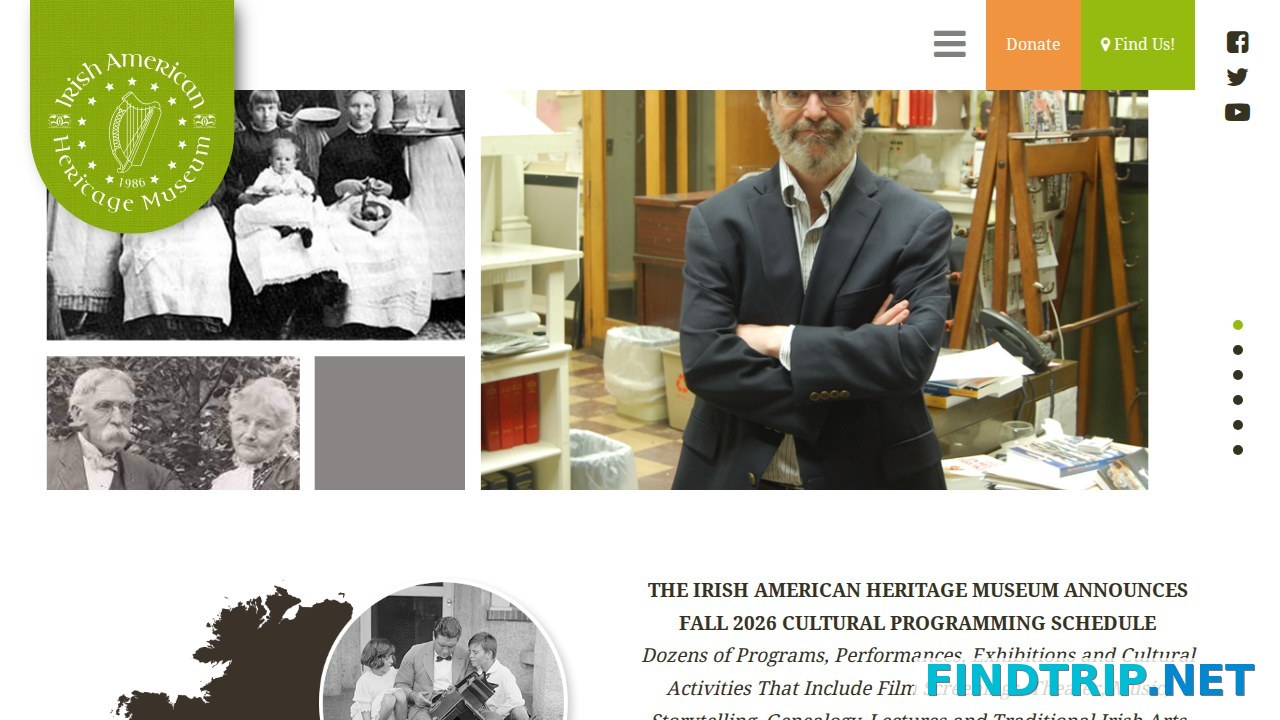
The story of the Irish diaspora in North America is one of resilience, transformation, and profound cultural impact. From early 19th-century immigration waves through the devastating years of the Great Hunger (An Gorta Mór) to modern contributions in politics, art, and labor, Irish Americans have left an indelible mark on the nation's fabric. Nestled in the historic district of downtown Albany, New York, the Irish American Heritage Museum stands as a paramount institution dedicated to preserving, interpreting, and celebrating this vital history.
Far more than a static repository of artifacts, this museum serves as a vibrant cultural center, educational catalyst, and community hub. Whether you are a history enthusiast, an individual tracing your family roots, or a traveler seeking authentic local culture, the museum offers a deeply engaging experience.
---
Essential Information & Institutional History
To appreciate the museum's present-day offerings, it helps to understand its unique legislative and educational roots.
- Location: 21 Quackenbush Square, Albany, NY 12207, United States
- Operating Hours: Wednesday – Sunday, 11:00 AM – 4:00 PM (Closed Monday and Tuesday for administrative operations)
- Governance: 501(c)(3) non-profit educational institution
- Contact & Website: (518) 427-1916 | [irish-us.org](https://www.irish-us.org/)
A Legacy of Educational Leadership
Established by the New York State Legislature in 1986 and permanently chartered by the Board of Regents in 1992, the Irish American Heritage Museum was built on a foundation of rigorous educational outreach. Notably, the institution was an instrumental force in crafting and implementing curriculum materials for New York State public schools concerning the Irish Famine (1845–1853).
Furthermore, the museum holds the distinction of being the first American institution of its kind to curate and showcase exhibitions at the National Library of Ireland in Dublin, highlighting its recognized authority on both sides of the Atlantic.
---
Core Visitor Experiences and Offerings
The museum thoughtfully balances historical scholarship with active community participation. Unlike large-scale municipal institutions that can feel impersonal, this destination offers an intimate, multi-sensory journey through several core pillars.
1. Curated Exhibitions & Historical Collections
The museum features a rotating matrix of permanent and temporary exhibits that examine the universality of the immigrant experience. Key focus areas include:
- The Great Hunger & Migration: In-depth displays explaining the socio-economic drivers behind the massive exodus from Ireland in the mid-19th century.
- Labor & Civil Life: Exploration of how Irish immigrants helped build American infrastructure, from the Erie Canal to urban industrial hubs, while navigating social obstacles.
- Arts, Literature, and Culinary Traditions: Rotating galleries highlighting folklore, traditional crafts, classic Irish-American recipes, and literary icons.
2. Specialized Irish Genealogy Research
One of the museum's standout services is its dedicated genealogy program, led by resident experts such as Lisa Doherty Walsh. Tracing ancestral roots across transatlantic records can be daunting due to surname variations and missing manifests. The museum offers monthly guided genealogy sessions where visitors can receive tailored advice on searching parish registers, census data, and ship passenger logs.
3. Live Performing Arts and Music Sessions
Culture comes alive through sound at the Irish American Heritage Museum.
- Bi-Weekly Traditional Music Sessions (Seisiún): Held twice monthly, these sessions feature skilled musicians playing classic instruments like the fiddle, concertina, flute, and bouzouki in an authentic, acoustic setting.
- "Celtic Influences" Performance Series: A regular slate of touring international and local artists presenting diverse genres ranging from traditional Irish and Canadian fiddling to swing, tango, and global folk fusions.
- Theater & Historical Reenactments: Monologues, original plays, and dramatic readings that bring historic figures and regional legends back to life.
4. Lectures, Workshops, and Virtual Exhibits
For those unable to visit in person or looking for academic depth, the museum frequently hosts expert lectures, book readings, film screenings, and cooking demonstrations. A robust selection of virtual exhibits extends its reach to a global audience online.
---
Practical Use-Cases: Who Should Visit?
Depending on your background and interests, the museum fulfills several distinct visitor objectives:
- Genealogy Seekers: Individuals looking for step-by-step professional guidance to break through brick walls in their Irish family lineage.
- Families & Educators: School groups or parents seeking an educational outing that teaches empathy, immigration history, and civic contribution.
- Acoustic & Folk Music Lovers: Music fans seeking intimate live performances by accomplished tradition-bearers in an inviting setting.
- Cultural & Heritage Tourists: Visitors exploring Albany's historic sites who want an insightful cultural stop in Quackenbush Square.
---
Key Strengths & Advantages
- High Educational Credibility: Founded via legislative charter and recognized internationally for its historical work.
- Dynamic, Living Programming: Rather than relying solely on static glass displays, the museum maintains a bustling schedule of live music, theater, and monthly workshops.
- Accessible Expertise: Direct access to experienced genealogists and scholars provides immense value for personal research.
- Central Location: Situated in historic downtown Albany near parking, dining, and complementary regional heritage sites.
---
Points to Consider & Limitations
- Compact Physical Footprint: The museum occupies an intimate historic space; while rich in detail, it does not have the vast layout of a major national museum.
- Operating Schedule: Open five days a week from 11:00 AM to 4:00 PM; visitors planning weekday trips must double-check schedule alignment around public holidays.
- Event Pre-Registration: High-profile concerts and expert workshops frequently sell out due to limited seating capacity, requiring advance planning.
---
Expert Visitor Advice for an Optimal Experience
1. Check the Event Calendar in Advance: Time your visit to coincide with a bi-weekly music session or guest lecture to experience the museum’s active community atmosphere.
2. Book Genealogy Time Early: If you plan to research family history, collect as much preliminary data as possible (dates, known names, approximate arrival years) and book a session ahead of time.
3. Explore Quackenbush Square: Make a day of your trip by exploring the surrounding downtown Albany historic district, featuring historic architecture and local eateries within walking distance.
4. Consider Becoming a Member: If you live in the Capital Region or frequently conduct research, annual membership provides event discounts and ongoing support for non-profit preservation efforts.
---
Frequently Asked Questions (FAQ)
Is the museum suitable for young children?
Yes. While the historical subject matter (such as the Great Famine) deals with serious themes, the exhibits are presented accessibly. Live music sessions and storytelling events are particularly engaging for visitors of all ages.
Do I need to make a reservation for regular entry?
General self-guided museum admission typically does not require advance reservations during normal operating hours (Wednesday–Sunday, 11am–4pm). However, specialized concerts, lectures, and genealogy workshops require pre-booking online.
Can the museum help me trace ancestors who did not settle in New York?
Yes. The resident genealogy experts work with broad databases, parish records, and transatlantic arrival manifests that apply to Irish migration routes across North America.
How much time should I plan for a visit?
A standard tour of the exhibition galleries takes approximately 1 to 1.5 hours. If attending a lecture, concert, or dedicated genealogy consultation, plan to spend 2 to 3 hours.
---
Final Verdict
The Irish American Heritage Museum successfully transcends the traditional concept of a local history museum. By pairing rigorous historical narrative—especially regarding the Irish Famine and immigrant contributions—with an active slate of live music, literature, and genealogy, it offers a vital bridge between past and present. It stands as a highly recommended destination for anyone seeking to understand the immigrant journeys that continue to shape modern America.