Holy Mountain Arch Fultonville: Modern Facilities & Visitor Guide
Explore Holy Mountain Arch at 2337 State Highway 5S, Fultonville. Guide to facilities, Ten-Thousand-People Square, 1,250 Stairs, and visiting tips.
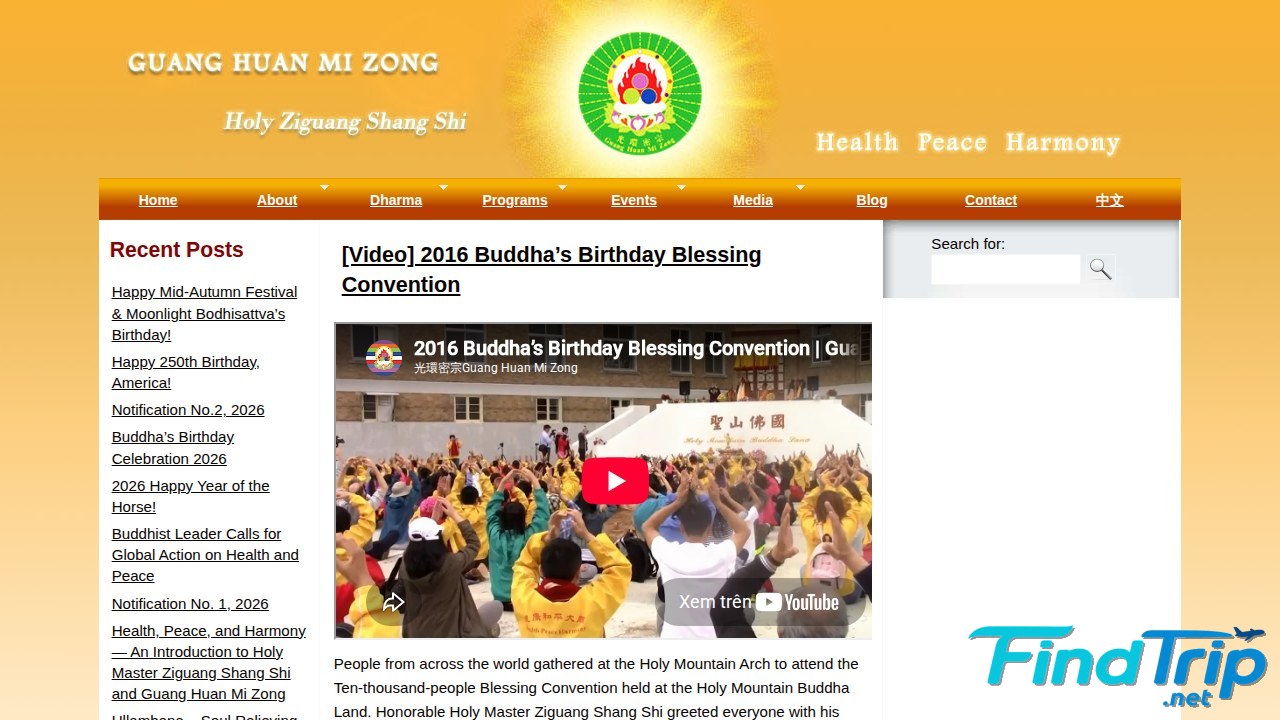
Located along the scenic corridor of Upstate New York at 2337 State Highway 5S (Wellsville / Fultonville area), the Holy Mountain Arch serves as a monumental entrance and modern focal point for the Holy Mountain Buddha Land. Developed under the leadership of Holy Master Ziguang Shang Shi and the Guang Huan Mi Zong organization, this structural landmark represents a fusion of traditional Eastern spiritual design and contemporary landscape development in Montgomery County.
For travelers, spiritual seekers, and visitors evaluating a trip to this site, understanding the physical layout, built amenities, and practical conditions of the grounds is essential. The following guide provides an objective breakdown of the modern facilities surrounding the Holy Mountain Arch, detailing what exists on-site, what to expect during a visit, and the logistical factors you need to consider before traveling.
---
Modern Architectural Developments and Ceremonial Origins
The Holy Mountain Arch is not merely a decorative gate; it was constructed as an anchor structure for the surrounding sanctuary grounds. Formally completed with a high-profile ribbon-cutting ceremony during a major Buddha’s Birthday celebration, the Arch marks the official entry portal to a series of physical and spiritual pathways built across the Holy Mountain Buddha Land property.
```
[ Holy Mountain Arch Gateway ]
│
├──► Ascetic Road (Walking Path)
│
├──► Ten-Thousand-People Square (Gathering Plaza)
│
└──► Stairway to Heaven (1,250 Stairs)
```
The construction of the Arch and its adjacent structures reflects an ongoing effort to build modern spiritual infrastructure on rural American land. Crafted through collaborative projects involving the Sangha, lay disciples, and international volunteers, the development combines durable modern masonry and large-scale site planning designed to handle sizeable assemblies during global conventions.
As a primary entry landmark, the Arch transitions visitors from the public state highway into the secluded sanctuary environment. It sets the stage for several distinct structural zones located deeper within the Holy Mountain complex.
---
On-Site Amenities, Key Structures, and Sacred Grounds
The site surrounding the Holy Mountain Arch encompasses several purpose-built areas designed for large crowds, outdoor meditation, and formal ceremonies. Rather than traditional commercial tourist amenities, the infrastructure here focuses on spiritual practice, outdoor gathering spaces, and elevated pathways.
Key Structural Features at Holy Mountain Buddha Land
| Feature Name | Primary Function & Description | Structural Attributes |
| :--- | :--- | :--- |
| Holy Mountain Arch | Ceremonial gateway and main entrance landmark | Built masonry archway; marks the transition onto sacred ground and the start of the Ascetic Road. |
| Ten-Thousand-People Square | Large-scale outdoor assembly plaza | Open-air paved/graded grounds designed to host large crowds for energy blessing conventions and major ceremonies. |
| The 1,250 Stairs ("Stairway to Heaven") | Elevated walking incline for spiritual practice | Multi-flight staircase constructed into the hillside terrain, built by volunteers and disciples for physical-spiritual progression. |
| Road of Asceticism (Ascetic Road) | Dedicated walking route following the main entry | Continuous pedestrian path designed for ceremonial walks, meditative pacing, and processionals following events at the Arch. |
Associated Buildings and Sanctuary Grounds
Beyond the immediate Arch and assembly plaza, the broader site context includes several key facilities managed by the organization:
- Five World Buddhas Temple: A central spiritual building used for formal Buddhist dharma events, teachings, and indoor ceremonies.
- Goddess of Mercy Temple: A dedicated temple site located within the regional network of Holy Mountain properties, serving focused devotional practices.
- Ephratah Villa: A retreat and administrative facility linked to the organization's regional footprint in Fulton and Montgomery counties.
The outdoor facilities—specifically the Ten-Thousand-People Square—are constructed to support large seasonal events, such as the annual Buddha’s Birthday Blessing Convention, energy blessing gatherings, and Ullambana ceremonies. The layout emphasizes expansive open space, allowing thousands of pilgrims to gather simultaneously in front of outdoor stages or blessing platforms.
---
Limitations, Physical Considerations, and Practical Realities
While the Holy Mountain Arch and its surrounding grounds offer impressive scale and modern outdoor engineering, prospective visitors must keep several practical limitations in mind when planning a trip.
1. Lack of Standard Daily Operating Hours and Public Pricing Details
Public sources and official documentation for the Holy Mountain Arch do not publish standardized daily operating hours, walk-in general admission rates, or turnstile ticketing options. Access to the grounds is heavily event-driven.
- Action Required: Visitors should not assume open gate access on non-event days. You must contact the organization directly or check official Guang Huan Mi Zong event schedules prior to departing for 2337 State Highway 5S.
2. Physical Demands of the Landscape
The site incorporates significant outdoor physical challenges. Features like the 1,250 Stairs and the extended Ascetic Road require good physical mobility and comfortable walking shoes.
- Terrain Factors: Unpaved or inclined sections may present challenges for visitors with reduced mobility or physical limitations.
- Weather Exposure: The Ten-Thousand-People Square and the stairways are completely open to the elements. Upstate New York experiences seasonal extremes, ranging from summer heat and humidity to severe winter cold and snow, which can affect accessibility and outdoor events.
3. Event-Centric Facilities vs. Tourist Infrastructure
The facilities at Holy Mountain Buddha Land are designed specifically for organized spiritual cultivation, health dharma classes, and religious conventions.
- No Commercial Attractions: You will not find typical tourist conveniences like public gift shops, commercial cafes, or casual amusement areas on site.
- Transit and Parking: While the grounds accommodate large event crowds, localized rural bus routes along State Highway 5S are limited. Private vehicular transportation or organized group charter transport is generally required to reach the Fultonville location.
---
Visiting Decision: Is a Trip to Holy Mountain Arch Right for You?
Deciding whether to visit the Holy Mountain Arch depends on your primary motivation for travel and your alignment with the site's intended purpose.
Recommended For:
- Guang Huan Mi Zong Practitioners and Pilgrims: Individuals attending organized Health Dharma classes, spiritual retreats, or global blessing conventions led by Holy Master Ziguang Shang Shi.
- Cultural & Architectural Enthusiasts: Visitors interested in observing modern Buddhist architecture and large-scale outdoor sanctuary developments in rural Upstate New York.
- Retreat Participants: Attendees registered for specific spiritual training programs, such as Red Robe Preacher Training or Esoteric Cultivation events.
Not Recommended For:
- Casual Walk-In Tourists: Travelers looking for a quick highway stopover with standard public visitor amenities, museum displays, or guaranteed daily entry without prior registration.
- Individuals with Severe Mobility Restrictions: Those unable to navigate long outdoor walking paths, steps, or hilly terrain without specialized assistance, unless attending events with dedicated indoor accommodation.
How to Prepare Before You Go
1. Verify the Event Calendar: Confirm active event dates through official organization notices before traveling to Fultonville.
2. Confirm Address and Access: Input the precise location (2337 State Highway 5S, Fultonville, NY 12072 / Wellsville area) into your navigation system and verify entry guidelines with event organizers.
3. Dress for the Outdoors: Wear sturdy, closed-toe walking shoes suitable for outdoor stair climbing, and bring weather-appropriate clothing for open-air plaza gatherings.