Hollow Marsh Meadow Nature Reserve: Verified Guide to Somerset's Wildflower Haven
Verified informational guide to Hollow Marsh Meadow nature reserve in Somerset, UK. Features SSSI habitats, orchids, ancient woodland, and visitor facts.
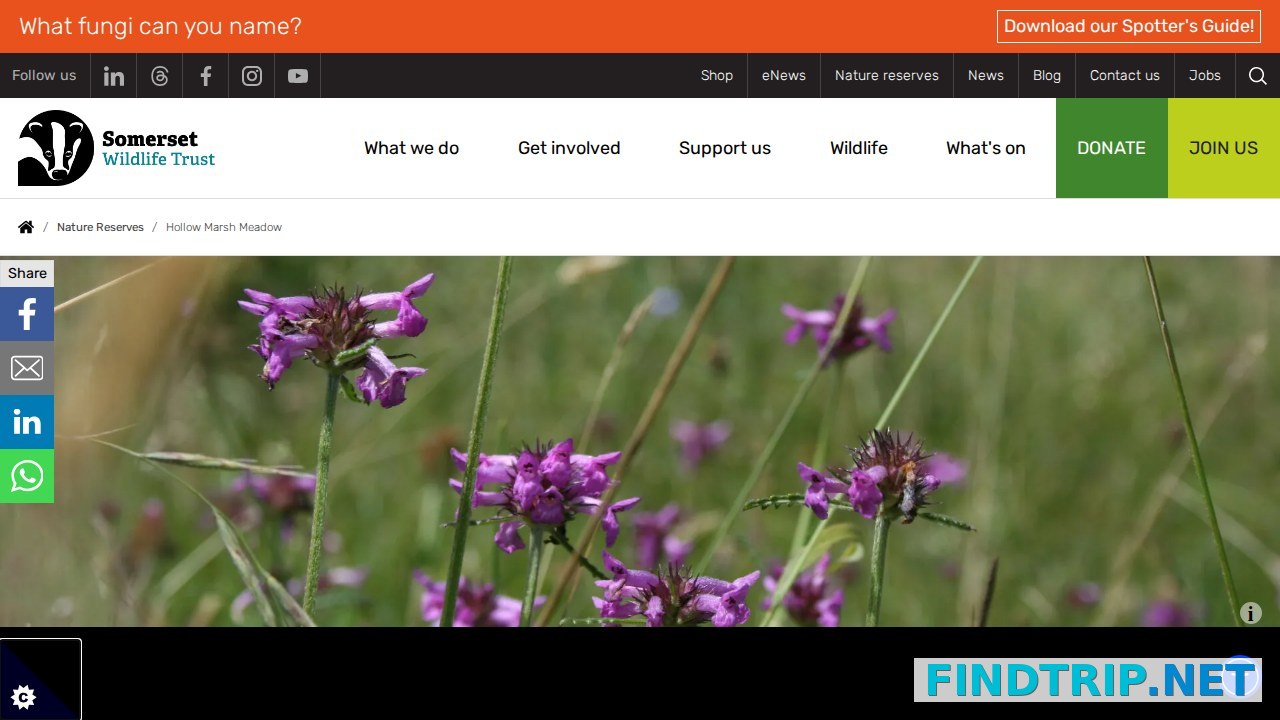
This article provides an objective, fact-checked summary of Hollow Marsh Meadow, compiled directly from official documentation published by the Somerset Wildlife Trust and public geographical records. It is designed as an informational map rather than a personal travel review, ensuring you have clear, verified facts before planning a visit to this local nature sanctuary in Bath and North East Somerset, England.
---
Fact-Checked Summary of Hollow Marsh Meadow
Hollow Marsh Meadow is a 2-hectare nature reserve located near Farrington Gurney in Somerset. Recognized as a Site of Special Scientific Interest (SSSI), this protected site preserves a remnant of unimproved neutral grassland and ancient woodland that was once common across the English countryside.
The reserve is composed of two damp meadows and Long Dole Wood, an ancient woodland block. It is bisected by the Cam Brook, a tranquil stream that nourishes wetland plants along its banks. Managed by the Somerset Wildlife Trust, the habitat is preserved using traditional, eco-friendly agricultural methods—such as summer cattle grazing and late-summer hay harvesting—to protect sensitive plant species and supporting wildlife.
---
Confirmed Site Details and Features
Based on published records from the Somerset Wildlife Trust, the following details are verified for Hollow Marsh Meadow:
1. Location & Geographic Markers
- Official Address: Off Pitway Lane, Off A37, Farrington Gurney, Somerset, England, GB.
- Ordnance Survey (OS) Map Reference: ST 610 561 (Main reserve entrance located around ST 613 560 at the end of Pitway Lane).
- Local Governance / Area: Bath and North East Somerset / Somerset Wildlife Trust jurisdiction.
2. Habitat & Ecological Highlights
- Damp Unimproved Meadows: Feature a rich carpet of traditional herbs and wildflowers, including Lady’s Bedstraw, Betony, Devil’s-Bit Scabious, Lady’s Mantle, Dyers Greenweed, as well as Common Spotted and Heath Spotted orchids.
- Long Dole Wood (Ancient Woodland): Dominated by Oak and Ash over Hazel, Holly, Field Maple, Wych Elm, Spindle, Crab Apple, and large Hornbeam coppice stools. Spring flora includes Bluebells, Wood Anemone, and Violets, followed by Enchanter’s Nightshade and Broad-leaved Helleborine orchids later in summer.
- Cam Brook Stream: Home to damp-loving plants like Meadowsweet, Purple Loosestrife, Fleabane, Hemlock Water Dropwort, Cuckoo Flower, and Marsh Valerian.
- Wildlife Populations:
- Insects & Butterflies: Silver-Washed Fritillary, Dingy Skipper, Small Skipper, Small Copper, Marbled White, Meadow Brown butterflies, alongside grasshoppers, crickets, and dragonflies (such as the Beautiful Demoiselle).
- Avian Species: Yellowhammers, Kestrels, Buzzards, and wintering Snipe.
- Mammals: Roe deer, Short-tailed Voles, Dormice, and foraging bats at dusk.
3. Conservation & Seasonal Timing
- Best Time to Visit: April to July offers the peak bloom for meadow orchids and active butterfly populations.
- Hay Cutting Notice: A traditional hay cut takes place on parts of the reserve after July 15th (dependent on weather conditions), after which flower density decreases.
- Conservation Strategy: The northern meadow undergoes annual hay cutting followed by autumn after-grazing; the eastern meadow utilizes summer grazing by small numbers of cattle or ponies.
4. Dog Policy & Footpath Hazards
- Dogs: Allowed, but must be kept strictly on a lead at all times to protect ground-nesting wildlife and grazing livestock.
- Terrain Conditions: Pitway Lane is deeply rutted. Paths within the site feature uneven, slippery surfaces that can become wet or boggy. Open-sided bridges cross the stream.
---
Unconfirmed Details and Information Limits
To maintain complete transparency, several operational details are not explicitly specified on the official reserve documentation. Visitors should not assume facilities exist without prior confirmation:
- Formal Parking: No formal parking lot on site. official guidance advises parking in Farrington Gurney village and walking approximately 1 mile along Pitway Lane to the entrance.
- Opening Hours: Listed generally as "Open at all times", but specific holiday access rules or overnight parking policies are not detailed.
- Admission Fees: No admission price is listed on the source page (reserves of this nature are typically open-access, but fee structures are unconfirmed).
- On-Site Toilet Facilities: Not listed on source. Visitors should expect no public restrooms on site.
- Visitor Center / Cafe Services: Not listed on source. No food, drink, or indoor shelter facilities exist on the reserve grounds.
- Wheelchair & Stroller Accessibility: Unconfirmed. Given the rutted access lane, uneven ground, and boggy trails, barrier-free access is unlikely to be available.
- Direct Public Transport: Specific bus lines or rail links directly serving Pitway Lane are not documented on the site page.
---
How to Verify Information Before Your Visit
Because rural nature reserves can undergo sudden changes due to severe weather, grazing schedules, or conservation work, you should verify site conditions directly through official channels before traveling.
1. Check the Official Web Page: Visit the Somerset Wildlife Trust website (`somersetwildlife.org`) for real-time alerts regarding hay cutting or maintenance closures.
2. Contact Somerset Wildlife Trust Directly:
- Phone: 01823 652400 (Official general contact number)
- Email: `enquiries@somersetwildlife.org`
3. Plan Around the Village: If driving, arrange to park legally and respectfully within Farrington Gurney, allowing extra time for the 1-mile walk down Pitway Lane.
4. Prepare Proper Gear: Sturdy, waterproof hiking boots are recommended year-round due to the damp soils near Cam Brook.
---
Conclusion & Practical Advice
Use this document as an informational baseline rather than a promotional promise. Hollow Marsh Meadow is a valuable ecological refuge offering rare sights of traditional English hay meadows and ancient woodland flora. However, its rural character means visitor amenities are minimal. By respecting the reserve rules—keeping dogs on leads, sticking to established paths, and visiting before the mid-July hay harvest—you can enjoy a peaceful nature outing while preserving this delicate habitat for generations to come.