Hagbourne Copse: A Complete Guide to Swindon's Pocket Woodland Sanctuary
Explore Hagbourne Copse in Swindon. Discover bluebell walks, history, wildlife spotting, and essential tips for solo, group, and local visitors.
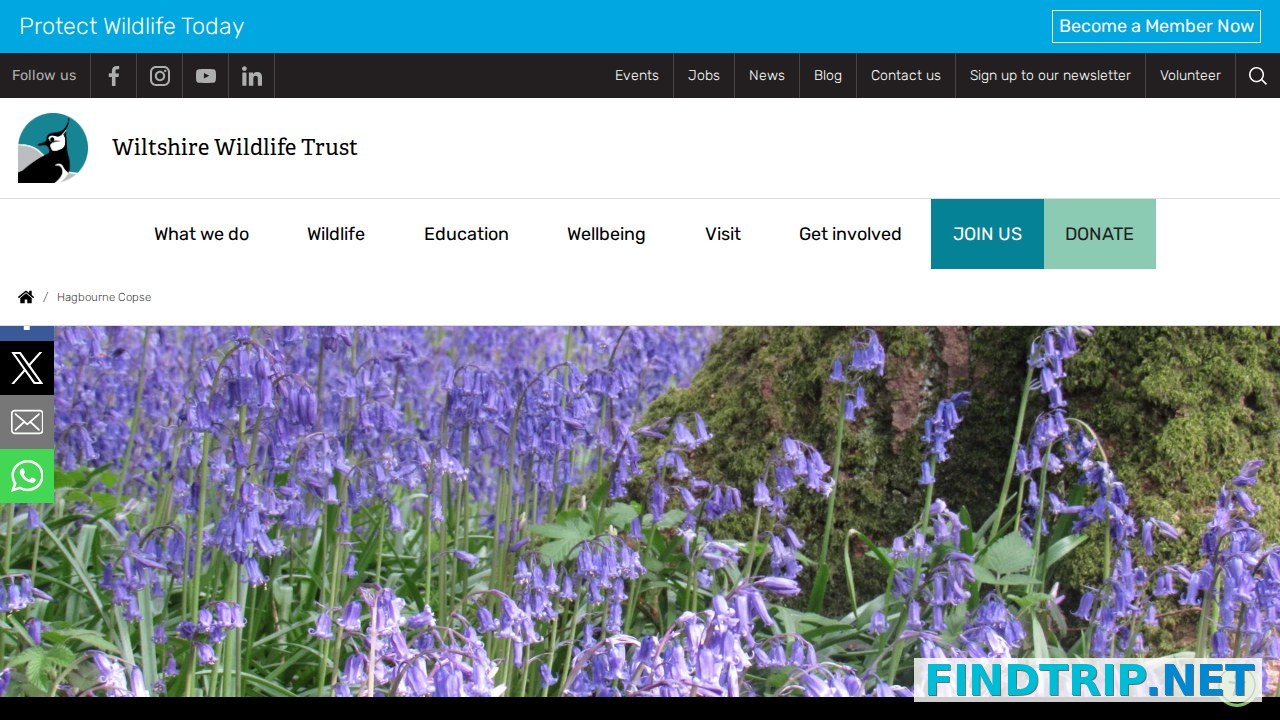
Nestled unobtrusively on the western edge of Swindon, Hagbourne Copse presents a fascinating ecological contrast. Measuring just two hectares, this ancient woodland pocket sits directly adjacent to the bustling Blagrove Industrial Estate and mere minutes from Junction 16 of the M4 motorway. Managed by the Wiltshire Wildlife Trust since 1999, the reserve serves as a critical breathing space for local biodiversity and an essential green escape for human visitors.
However, because Hagbourne Copse is compact and uniquely situated amidst light industrial surroundings, the visitor experience varies dramatically depending on who you are and what you hope to get out of your time here. A solo walker in search of quiet mindfulness will experience the woods in a completely different light than a pair of photography enthusiasts arriving during peak spring bloom, or a local office employee stepping out for a brief midday breather.
---
Solo Visitors: Solitude, Wildlife Spotting, and Mindful Nature Walks
For the independent traveler or quiet wanderer, Hagbourne Copse provides an unexpectedly intimate encounter with nature. Despite being bordered by commercial infrastructure, step inside the tree line and the natural canopy creates a noticeable buffer against urban busyness.
What Works Well for Solo Visitors
- Intimate Birdwatching and Wildlife Spotting: Because the reserve receives low foot traffic compared to large regional parks, solitary visitors who move quietly stand a fantastic chance of spotting native fauna. Throughout the year, you can observe great spotted woodpeckers, treecreepers, tits, and the occasional sparrowhawk.
- Macro Photography and Autumn Fungi: Solo photographers will find autumn particularly rewarding. Over 22 species of fungi—including the striking common puffball—sprout along fallen logs, decaying trunks, and damp woodland soil.
- Mindful Escape: The concise circular walking trail offers a low-stress environment where you can disconnect, listen to birdsong, and take in the natural atmosphere without needing navigation maps or long preparation.
Limitations for Solo Visitors
- Short Route Length: The circular path covers a small area; a leisurely walk typically takes between 15 to 30 minutes. If you are looking for an extensive multi-mile hike, you will need to combine this visit with nearby green spaces.
- Lack of On-Site Amenities: There are no staff, restrooms, or shelter facilities inside the reserve, meaning solo visitors must be entirely self-reliant regarding water and personal comfort.
---
Group Visitors and Nature Enthusiasts: Discovering Ancient History and Seasonal Blooms
When visiting with a partner, family member, or a small interest group, Hagbourne Copse transforms into a living classroom showcasing historic woodland management and vibrant botanical changes across the seasons.
What Works Well for Groups
- Historical and Ecological Heritage: Planted before 1766 as part of the historical Lydiard Park estate, the copse was historically harvested for oak timber and hazel fencing. Today, volunteers continue traditional coppicing—cutting hazel trees back to ground level—to allow sunlight to reach the forest floor, stimulating wild ground flora.
- Spectacular Spring Display: The absolute highlights for small group outings occur in late April and early May, when a dense carpet of native bluebells transforms the woodland floor into a sea of blue. During late spring and summer, groups can also identify red campion, herb bennet, devil's-bit scabious, and various butterfly species such as the purple hairstreak, brimstone, and red admiral.
- Pond Habitat Exploration: The reserve features a central pond fed by drainage ditches that serves as an active habitat for smooth newts, common frogs, mallard ducks, and occasionally visiting grey herons.
Limitations for Groups
- Terrain and Accessibility Restrictions: The narrow, unpaved woodland path features uneven surfaces and tree roots. The site is not suitable for pushchairs or wheelchairs.
- Strict Footpath Adherence: Groups must remain strictly on the designated main paths. Stepping off-path damages delicate root systems and crushes emerging bluebells.
- Pet Guidelines: Visitors bringing dogs must keep them strictly on a lead at all times to prevent disrupting wildlife and fragile vegetation.
---
Casual Visitors and Local Workers: An Easy Lunchtime Green Break
For commuters, delivery drivers, or local employees working in the Blagrove and West Swindon commercial sectors, Hagbourne Copse functions as a highly accessible, zero-cost mental health resource right on the doorstep of work.
What Works Well for Casual Visitors
- Immediate Proximity: Situated along Frankland Road, the entrance is seconds away from surrounding industrial offices, offering a rapid transition from computer screens to natural scenery.
- Hassle-Free Public Transport and Cycling: Located along local bicycle routes, the reserve is also easily accessible via Swindon bus routes 55 and 99, stopping at the nearby Blagrove Roundabout.
- Free Admission Year-Round: There are no entrance fees or registration requirements; the gates are open at all times for quick visits.
Limitations for Casual Visitors
- Parking Setup: There is no dedicated visitor parking lot. Motorists must rely on roadside parking along the public roads of Blagrove Industrial Estate.
- No Seating or Cafe Facilities: Casual visitors looking to eat lunch should note that there are no cafes, trash bins, or dedicated picnic benches inside the copse.
---
Summary Verdict: Choosing the Right Time and Way to Visit
Hagbourne Copse proves that a nature reserve does not need to be vast to offer real conservation value and peaceful sanctuary. How much you enjoy your visit ultimately comes down to matching your expectations with what the site offers:
- Choose a Solo Trip if you want 20 minutes of complete peace, macro autumn photography, or quiet birdwatching away from busy public parks.
- Plan a Group Visit in late April or early May to witness the impressive bluebell display and observe traditional woodland management techniques firsthand.
- Drop By as a Casual Visitor if you work nearby or are driving along the M4 corridor and need a quick, refreshing nature break during the middle of the day.
Essential Visitor Information
- Address: Frankland Road, Blagrove Industrial Estate, Swindon, Wiltshire, SN5 8YW (Borough of Swindon, GB).
- Opening Hours: Open at all times, year-round.
- Best Time to Visit: Late April for bluebells; September to October for fungi.
- Admission: Free.
- Parking: On-street parking along Blagrove Industrial Estate roads.