Exploring the Underground Railroad Education Center in Albany, NY
Discover the Underground Railroad Education Center at the historic Stephen & Harriet Myers Residence in Albany, NY. Learn about Black abolitionist history.
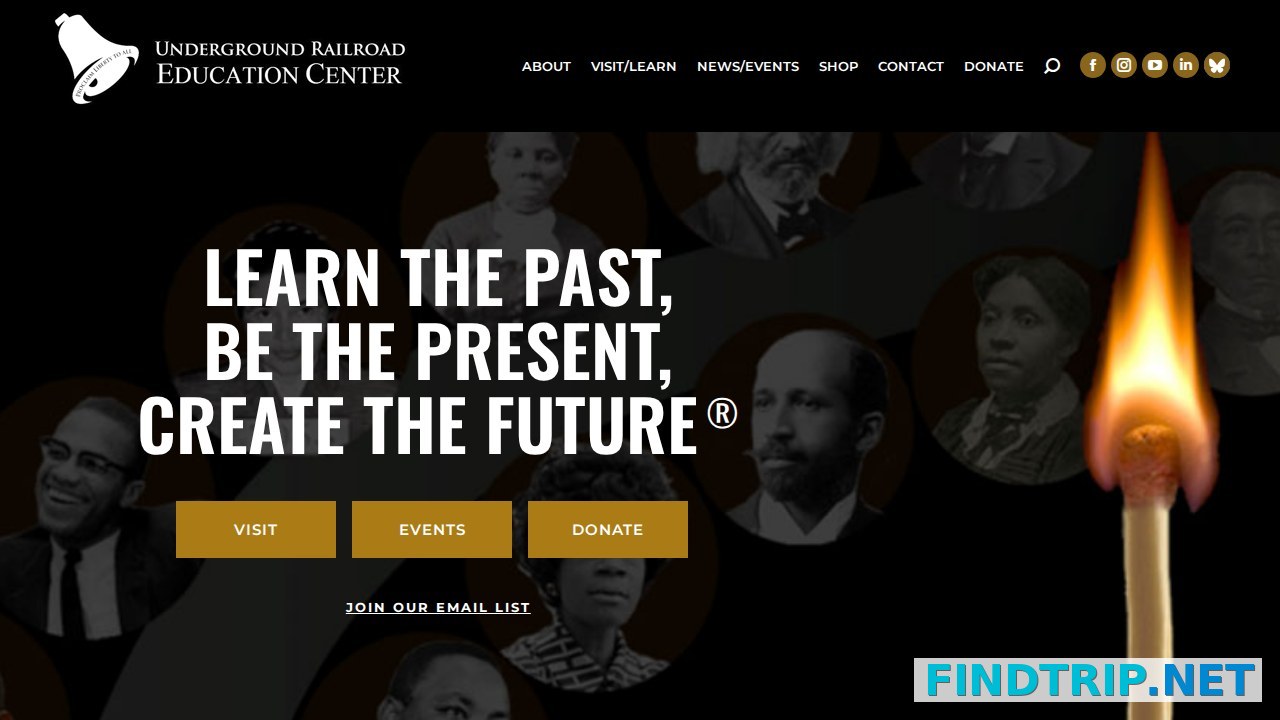
When many people think of the Underground Railroad, they envision secret tunnels, midnight escape routes, and well-meaning allies operating in hushed secrecy. While those elements existed, the true narrative is far richer, bolder, and more inspiring. It is a story of Black self-determination, resilient networks, and fierce grassroots activism.
Located in Albany, New York, the Underground Railroad Education Center (UREC) stands as a beacon for this reimagined history. Anchored by the historic Stephen and Harriet Myers Residence, this institution goes beyond traditional museum exhibits. It connects 19th-century abolitionist history directly to modern social justice, living out its core tagline: "Learn the Past, Be the Present, Create the Future."
Whether you are a local resident, a history buff, or an educator seeking authentic historic narratives, UREC offers a transformative look at how ordinary citizens altered the course of American freedom.
---
Overview and Historic Context
The Underground Railroad Education Center was co-founded by Paul and Mary Liz Stewart, driven by a mission to uncover and preserve forgotten narratives of Black history in New York’s Capital Region and beyond.
At the center of UREC’s operations is 194 Livingston Avenue in Albany—the historic home of Stephen and Harriet Myers. During the 1850s, Stephen Myers, a formerly enslaved man turned prominent abolitionist publisher and organizer, led the Albany Vigilance Committee. Together with his wife Harriet, their home served as a crucial hub along the Underground Railroad network, offering refuge, food, guidance, and legal assistance to hundreds of freedom seekers heading toward Canada or safe havens in the North.
Rather than framing freedom seekers purely as victims requiring rescue, UREC highlights the agency, courage, and organizing power of Black abolitionists. The center presents history not as static artifacts locked behind glass, but as an ongoing dialogue about human rights, citizenship, and civic responsibility.
---
Key Experiences and Community Programming
Visiting or engaging with the Underground Railroad Education Center offers a multi-layered experience. The center blends physical historic preservation with dynamic community programming:
1. Guided Tours of The Stephen and Harriet Myers Residence
Walking through the doors of 194 Livingston Avenue allows visitors to step directly into history. Guided tours reveal how the Myers family organized community support, hosted secret meetings, and published abolitionist newspapers. The home itself is a living artifact undergoing careful restoration, demonstrating how physical spaces hold community memory.
2. The Black Experience Exhibit Series
UREC has introduced traveling pop-up exhibitions designed to take history directly to the public. These exhibits highlight overlooked stories—such as Black mariners on the Hudson River or local civil rights champions—ensuring that Black history remains visible across schools, libraries, and public forums in the Capital Region.
3. Youth Leadership & Educational Programs
Education is central to UREC’s mission. Through initiatives like the Young Abolitionist Leadership Institute (YALI), young people engage in hands-on projects, historical research, public speaking, and community activism. Youth learn to draw parallels between 19th-century abolitionists and modern community advocacy.
4. Special Events, Workshops, and Excursions
UREC maintains an active calendar throughout the year. Visitors can participate in:
- Thematic Bus Excursions: Historical trips celebrating icons like Sojourner Truth in nearby Kingston, NY.
- Cultural Gatherings: Events such as the annual Black August Block Party and community craft nights.
- Educational Workshops: Interactive art sessions and history lectures linking maritime trade, northern slavery, and anti-slavery networks.
---
Future Vision: The Dedicated Interpretive Center
To accommodate growing demand and expand its educational footprint, UREC is actively working toward building a state-of-the-art Interpretive Center.
This planned multi-use facility will serve as a regional hub featuring:
- Expanded permanent and rotating exhibition galleries.
- Multimedia documentary screening rooms and research archives.
- Dedicated classrooms for youth programming and workforce development.
- Spaces for community arts, dialogues, and historical symposiums.
This expansion aims to solidify Albany's position as a vital stop on the national civil rights and historic heritage trail.
---
Practical Use-Cases: Who Should Visit UREC?
The Underground Railroad Education Center appeals to a wide variety of visitors:
- K-12 & University Educators: Ideal for field trips or curriculum enrichment. Students gain a nuanced understanding of early American history that goes beyond textbook summaries.
- Heritage Tourists & History Enthusiasts: Travelers exploring Upstate New York’s rich historical corridor (alongside sites in Rochester, Auburn, or Kingston) will find Albany's role central to the narrative.
- Social Justice Advocates & Community Organizers: Those interested in practical models of grassroots organizing can draw inspiration from how 19th-century vigilance committees operated.
- Families & Local Residents: A meaningful destination for families seeking localized history that fosters empathy, pride, and active citizenship.
---
Strengths (Pros)
- Authentic Local Narrative: Offers a grounded, deeply researched perspective on Black abolitionists in New York.
- Community-Centered Engagement: Moves beyond passive museum viewing to active workshops, block parties, and youth leadership.
- Inspiring Mission: Successfully links historical struggles for freedom with contemporary social issues.
- Passionate & Knowledgeable Leadership: Guided tours and lectures are delivered with deep expertise and community pride.
---
Limitations & Considerations (Cons)
- Ongoing Site Development: Because the Myers Residence is an active restoration site and plans for the new Interpretive Center are underway, facility amenities may be more modest compared to large national museums.
- Advance Scheduling Recommended: To get the full experience—especially guided tours or specialized workshops—visitors should book ahead rather than relying strictly on walk-in availability.
- Program-Dependent Operations: Some specialized exhibits travel or pop up seasonally, requiring visitors to check event schedules in advance.
---
Expert Tips for Planning Your Visit
1. Book Tours Ahead of Time: Contact UREC prior to your visit to schedule a guided walkthrough of the Myers Residence to ensure staff or docent availability.
2. Check the Community Events Calendar: Align your visit with a lecture, community block party, or special workshop to experience the center’s vibrant community spirit.
3. Combine Regional Historic Sites: Plan a broader Upstate New York civil rights itinerary by combining UREC with regional heritage sites in the Hudson Valley and Finger Lakes regions.
4. Support Through Membership or Donation: As a non-profit organization focused on grassroots education and site restoration, community support directly fuels their youth leadership programs and new Interpretive Center expansion.
---
Frequently Asked Questions (FAQ)
1. Where is the Underground Railroad Education Center located?
The main historic site and headquarters of UREC is the Stephen and Harriet Myers Residence, located at 194 Livingston Avenue, Albany, NY 12207.
2. Is the site suitable for children and student groups?
Yes! UREC offers tailored educational programs and youth institutes designed to engage young minds in age-appropriate, empowering conversations about history and leadership.
3. How does UREC differ from other Underground Railroad sites?
UREC places strong emphasis on Black self-determination, highlighting the primary role that Black abolitionists and local vigilance committees played in organizing anti-slavery efforts, while explicitly connecting historical activism to present-day civic action.
4. How can I support the Underground Railroad Education Center?
You can support UREC by becoming a member, volunteering, attending paid workshops and excursions, or making direct donations toward their new Interpretive Center building fund.
---
Final Thoughts
The Underground Railroad Education Center is far more than a monument to the past—it is a living laboratory for justice and education. By focusing on real human stories, community resilience, and historical truth, UREC empowers visitors not only to remember history, but to shape it. A visit to 194 Livingston Avenue in Albany will alter the way you view the Underground Railroad and inspire you to take an active role in building a more equitable future.