Exploring Swift Wetland in Delmar: A Complete Guide to Albany County’s Hidden Green Haven
Discover Swift Wetland in Delmar, NY. A complete guide to this 22-acre free preserve featuring flat 1-mile trails, birdwatching, and easy transit access.
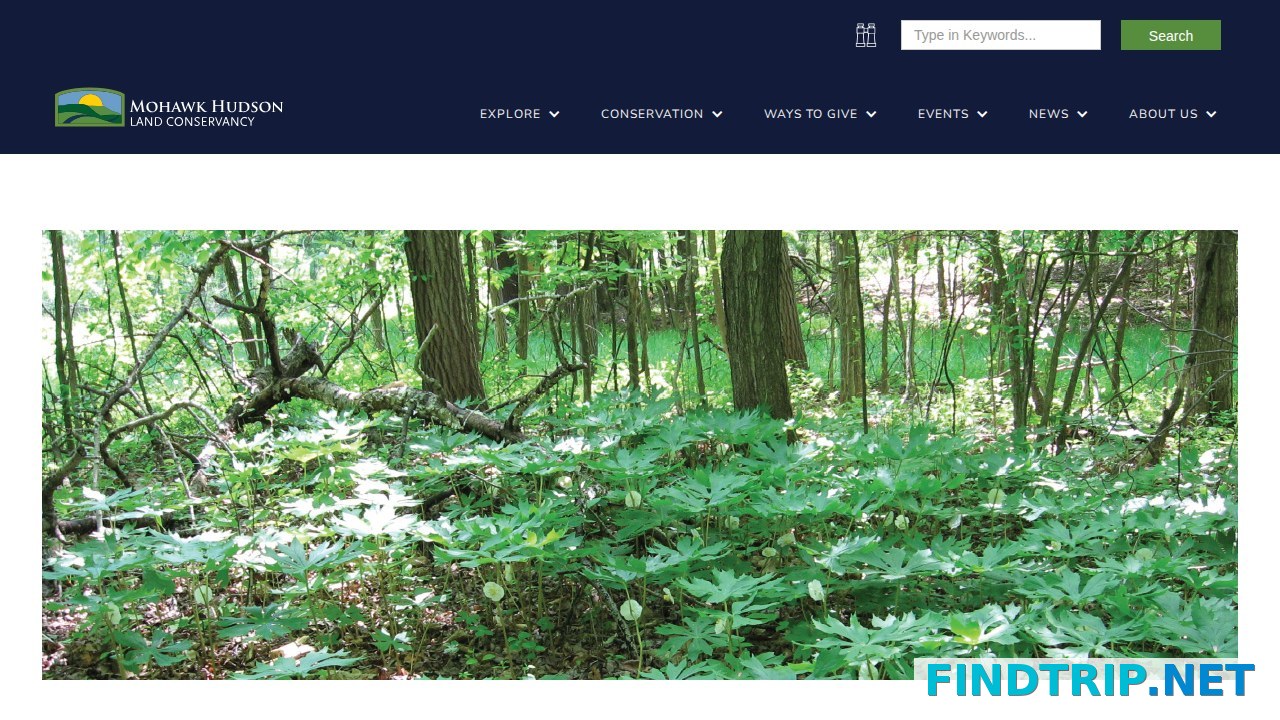
Nestled in the heart of Delmar within Albany County, New York, Swift Wetland stands out as an accessible, zero-cost suburban sanctuary designed for quick, refreshing outdoor escapes. Managed by the Mohawk Hudson Land Conservancy (MHLC), this 22-acre pocket preserve provides an inviting ecological refuge right on the edge of local residential neighborhoods. Unlike expansive state parks or rugged mountain trails that demand extensive preparation and heavy gear, Swift Wetland operates within the accessible pocket-nature segment—offering brief, low-impact strolls amidst dense flora, serene woodland patches, and vital wetland habitat.
---
Strategic Location: Suburban Convenience Meets Natural Conservation
Situated directly across Delaware Avenue from Bethlehem Central High School and bordered by residential streets, Swift Wetland occupies a unique spatial footprint in Albany County. This positioning makes the preserve exceptionally convenient for immediate local access, serving as a peaceful green backdrop for daily routines.
Transportation and Accessibility Advantages
- Public Transit Integration: Unlike many regional preserves that require personal motor vehicles, Swift Wetland is easily reached via CDTA Route 18. Visitors taking public transit can disembark at the Delaware Ave / Cherry Ave stop and walk a short distance to the Delaware Avenue entrance.
- Neighborhood Pedestrian Connections: A direct foot entrance from Delaware Avenue allows neighborhood residents, commuters, and students to step off the sidewalk straight onto a quiet woodland trail.
- Dedicated Local Parking: Vehicle parking is situated at the end of Evelyn Drive, providing tucked-away access into the rear loop of the preserve without requiring drivers to maneuver heavy arterial traffic.
Trade-offs of an Urban-Adjacent Setting
While the preserve’s location makes it a ideal quick getaway, its proximity to major local thoroughfares and suburban developments comes with minor trade-offs. Traffic hum from Delaware Avenue can occasionally reach the outer edges of the trail network, and the surrounding residential parcels limit the sanctuary to a compact 22 acres. However, for those seeking immediate access to nature without driving miles into rural mountain ranges, these surrounding urban buffers are a small trade-off for such remarkable convenience.
---
Cost Structure and Environmental Value Proposition
Visiting Swift Wetland involves zero entrance or parking fees, making it an exceptionally high-value resource for community recreation and informal outdoor education. Donated to the Mohawk Hudson Land Conservancy by the Swift Group in 2000, the preserve was specifically created to safeguard critical wetland functions following residential construction on adjacent parcels.
```
+-----------------------------------------------------------------------+
| SWIFT WETLAND QUICK FACTS |
+--------------------------+--------------------------------------------+
| Total Area | 22 Acres |
| Trail Distance | ~1 Mile Loop |
| Trail Terrain | Flat, Gentle, Forest Floor |
| Admission Fee | Free (Managed by MHLC) |
| Primary Transport Options| Walk-in, CDTA Bus Line 18, Street Parking |
+--------------------------+--------------------------------------------+
```
The true value of Swift Wetland lies in its rich biological diversity relative to its small geographic footprint. The preserve acts as a natural sponge, absorbing stormwater, filtering local run-off, and creating crucial habitat for native bird species, amphibians, and wetland plant life. Beyond ecological protection, the property delivers substantial educational value, serving as a living outdoor classroom integrated directly into the environmental science curriculum of the nearby Bethlehem Central School District.
---
Visitor Profile Matching: Is Swift Wetland Right for You?
Understanding the scale and character of Swift Wetland ensures visitors align their expectations with what this preserve naturally provides.
Who Will Benefit Most From a Visit?
- Local Families and Young Children: The gentle, 1-mile flat trail network allows young walkers to explore nature without steep climbs, hazardous drops, or overwhelming distances.
- Casual Strollers and Remote Workers: Those seeking a restorative 30-minute afternoon break, a quiet place to clear their head, or a short walk surrounded by seasonal foliage will find the quiet atmosphere perfectly suited to their schedule.
- Birdwatchers and Nature Photographers: The transition zone between secondary forest and marshy wetland provides excellent opportunities to spot songbirds, migratory fowl, ferns, and seasonal wildflowers.
- Students and Educators: Its proximity to local schools makes it a primary spot for hands-on ecological observation and local field study.
Who Should Consider Alternative Destinations?
- Long-Distance Trail Runners and Endurance Hikers: Hikers looking for multi-mile backcountry loops, significant elevation gain, or rugged physical challenges will find the 1-mile path far too brief.
- Picnickers and Event Groups: Because the preserve prioritizes wetland protection and low-impact foot traffic, it lacks open picnic lawns, pavilion structures, public restrooms, or trash receptacles.
- All-Terrain Bicyclists or Off-Road Enthusiasts: Bicycles and motorized vehicles are prohibited on the preserve trails to protect fragile wetland soil and prevent erosion.
---
Balanced Assessment: Integrated Strengths and Practical Limitations
Evaluating Swift Wetland requires looking at its notable ecological benefits alongside the physical realities of visiting a small suburban preserve.
```
SWIFT WETLAND HIGHLIGHTS
STRENGTHS LIMITATIONS
• Free access managed by MHLC • Compact 1-mile trail system
• Accessible via CDTA Bus Route 18 • No public restrooms or trash cans
• Safe, flat terrain suitable for all • Muddy patches during rainy seasons
• Rich biodiversity & native plant life • Proximity noise near main roads
```
On the positive side, Swift Wetland excels at delivering high-quality natural immersion within a very manageable space. Its flat, clearly defined loop paths navigate through rich ferns, towering hardwood canopies, and vibrant marsh ecosystems. The preserve provides a rare sense of solitude despite being surrounded by suburban activity. Additionally, the stewardship of the Mohawk Hudson Land Conservancy ensures that trails remain clear, well-marked, and ecologically healthy year-round.
Conversely, the preserve’s natural characteristics introduce practical limitations that visitors should plan for in advance. Because the land consists largely of protected wetlands, trails can become exceptionally muddy or boggy following heavy spring rains or summer storms. Visitors must bring water-resistant footwear during wet months. Furthermore, there are no public facilities, restrooms, or trash bins available on site; guests must practice Leave No Trace principles by packing out everything they bring in. Because the preserve lacks dedicated parking lots beyond street parking at the end of Evelyn Drive, parking space can be limited during peak weekend hours.
---
Conclusion: When Is a Visit to Swift Wetland Most Rewarding?
Swift Wetland is at its best when you need a quick, serene retreat into nature without committing to an all-day excursion. It is the perfect destination for a morning walk, a post-work mental refresh, or an educational stroll with children. By providing accessible green space right within Delmar, this Mohawk Hudson Land Conservancy preserve showcases how targeted conservation efforts can successfully maintain ecological balance and community health inside suburban landscapes.
---
Frequently Asked Questions (FAQ)
Are dogs allowed on the trails at Swift Wetland?
Yes, dogs are generally welcome on the trails, but they must be kept on a leash at all times to protect fragile wetland habitats and local wildlife. Owners are required to pick up and carry out all pet waste.
What is the best time of year to visit Swift Wetland?
Spring and early autumn offer beautiful experiences. Spring brings emerging wildflowers, lush ferns, and active bird life, though trails can be wet. Autumn provides vibrant foliage and cooler walking temperatures.
Are there any admission or parking fees to visit?
No, Swift Wetland is completely free to enter and enjoy. It is owned and maintained by the non-profit Mohawk Hudson Land Conservancy for public enjoyment.
Is Swift Wetland wheel-chair or stroller accessible?
While the trails are flat, they consist of natural forest soil, root-crossed paths, and grass. As a result, standard strollers or wheelchairs may struggle during wet conditions or over uneven terrain; all-terrain strollers perform better in dry weather.