Discovering Holy Trinity Church in Newton St Loe: A Historic Gem near Bath
Explore Holy Trinity Church in Newton St Loe, Bath and North East Somerset. Discover visitor tips, transit options, and local itinerary ideas.
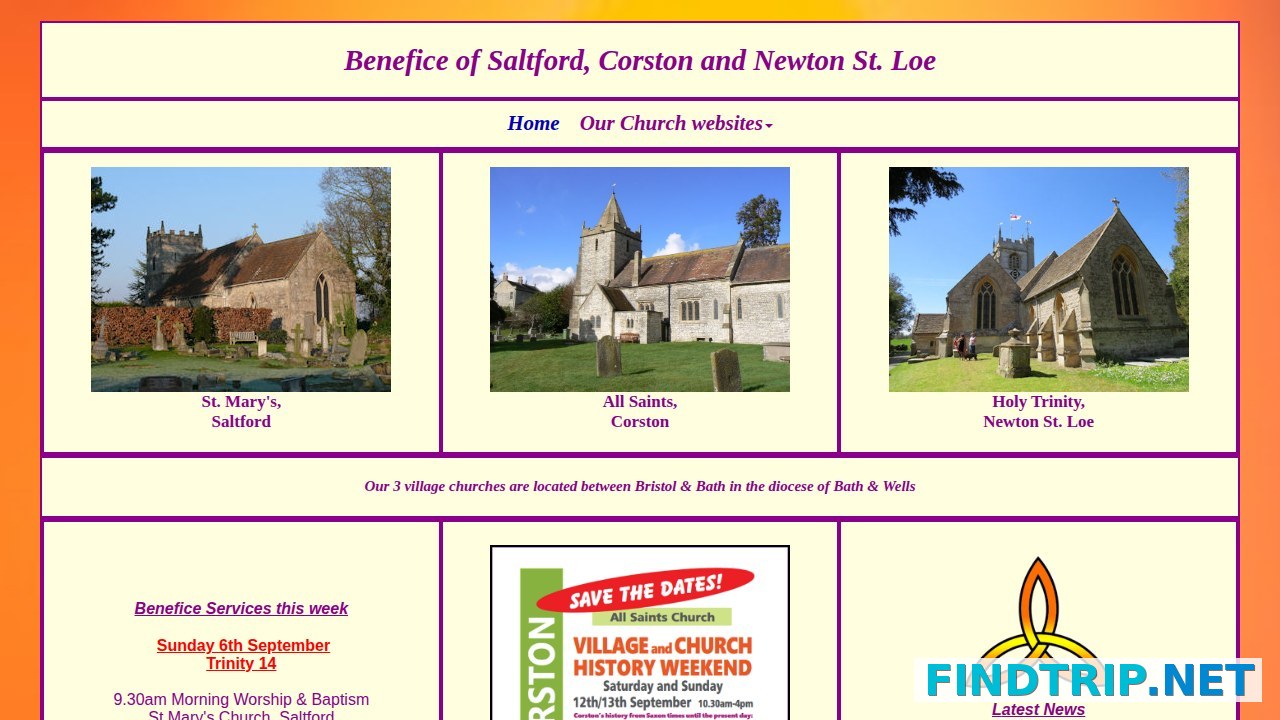
Nestled within the picturesque landscape of Bath and North East Somerset, England, the historic village of Newton St Loe offers a peaceful retreat from the bustling tourist hubs of the region. Known for its rolling green hills, traditional stone cottages, and deep ties to the Duchy of Cornwall estate, this charming corner of the West Country captures the quintessential spirit of rural Somerset. Standing as a central architectural and spiritual anchor within this serene village is Holy Trinity Church, a local place of worship that has served the resident community and surrounding countryside for centuries.
When planning a trip through the wider Bath area, visitors often focus heavily on Roman baths and Georgian crescents. However, venturing just beyond the city limits into North East Somerset unlocks a slower, more authentic slice of West Country heritage. Holy Trinity Church in Newton St Loe reflects this quiet charm, offering travelers a chance to experience an authentic English parish church setting surrounded by historic farmland and classic rural scenery.
---
Positioning Holy Trinity on Your Regional Itinerary
Situated roughly four miles west of central Bath, Newton St Loe occupies an enviable location for travelers exploring the wider Bath and North East Somerset area. Positioned just off the main road corridors connecting Bath toward Bristol and Wells, the village serves as an ideal intermediate stop or gentle half-day excursion.
For travelers staying in the heart of Bath, a visit to Holy Trinity provides a immediate contrast to urban sight-seeing. Rather than navigating crowded pedestrian thoroughfares, a journey out to Newton St Loe leads into quiet lanes, stone boundary walls, and views across open meadows. The parish is linked spiritually and administratively with neighboring rural communities—often operating as part of a joint benefice alongside local parishes like Saltford and Corston.
Because of its position on the western fringes of Bath, Holy Trinity sits seamlessly within several classic travel routes:
- The Countryside Explorer Itinerary: Perfect for visitors combining a morning in the historical center of Bath with an afternoon stroll through surrounding Somerset villages.
- The Western Heritage Route: Conveniently located for travelers moving between Bath, Keynsham, and Bristol along the lower Avon Valley.
- The Walking & Nature Route: An ideal landmark for hikers following regional footpaths through the Duchy of Cornwall agricultural estate.
---
Getting There and Away: Transport, Timing, and Access
Reaching Newton St Loe and Holy Trinity Church is straightforward, whether you are utilizing public transportation, driving a personal vehicle, or exploring on foot.
Arriving by Public Transport
For those relying on public transit from central Bath, regular regional bus services run along the main A39 and A36 corridors. Alighting at the main stop near Newton St Loe leaves a short, pleasant walk into the village center where the church is situated. Buses run frequently throughout the week, though service intervals can be reduced on Sundays and public holidays, so checking regional transit schedules in advance is recommended.
Driving and Parking
Travelers driving from Bath, Bristol, or the nearby town of Keynsham will find the village easily accessible via the A39. As Newton St Loe is a small, historic conservation village with narrow residential lanes, visitors arriving by car are advised to drive carefully and park respectfully in designated areas or roadside spots that do not obstruct farm equipment or local residents.
Walking and Cycling
For active travelers, cycling or walking to Holy Trinity is one of the most enjoyable ways to approach the venue. Rural footpaths and secondary country lanes link Newton St Loe to nearby settlements and university grounds (such as Bath Spa University's Newton Park campus). The approach on foot allows you to fully appreciate the historic farmsteads and field patterns that define this protected landscape.
Choosing the Best Time to Visit
To enjoy a quiet reflection or take in the exterior village scenery:
- Weekday Mornings: Generally the quietest time to visit the village lanes and appreciate the local environment without traffic.
- Sunday Services: If you wish to attend a regular Anglican service or participate in community worship, services take place on scheduled rotations. Because parish schedules across local benefices can vary, visitors planning to attend a service should verify current times via the parish's shared online portal (www.scnbenefice.org.uk) prior to setting out.
---
Integrating Holy Trinity into Your Local Day Plan
A visit to Holy Trinity Church can easily be woven into a broader day out in North East Somerset without feeling rushed. Because the church sits in a compact village setting, pairing your visit with other gentle outdoors activities creates a balanced and fulfilling itinerary.
A Morning in the Countryside
Start your morning by traveling out from Bath toward Newton St Loe. Begin with a leisurely walking tour of the village itself, taking in the traditional limestone cottages, historic farm buildings, and the peaceful grounds around Holy Trinity. The churchyard provides a quiet spot to pause and appreciate traditional English parish architecture.
Midday Walks along the Duchy Estate
After exploring the village center, extend your walk onto the surrounding estate paths. The surrounding countryside features gentle footpaths that wander through agricultural fields, woodland edges, and scenic viewpoints looking back toward the Avon Valley.
Afternoon Transitions
Once you have finished exploring Newton St Loe, you can easily transition to your next regional destination:
- Head West toward Keynsham or Bristol: Continue along the highway corridor to explore historic market towns or riverside parks along the River Avon.
- Return to Bath: Head back into Bath for an afternoon visiting museums, enjoying thermal baths, or dining at independent city eateries.
- Head South toward the Mendip Hills: Take the scenic routes southward toward historic Somerset market towns like Wells or Glastonbury.
---
Practical Recommendations for Visitors
When planning a trip to Holy Trinity in Newton St Loe, keeping a few practical guidelines in mind will ensure a smooth and respectful experience:
1. Check Local Benefice Notices: Local Anglican churches in rural Somerset frequently share clergy and service rotas across multiple neighboring villages. To confirm open hours, service times, or special seasonal events, consult the official benefice platform (www.scnbenefice.org.uk).
2. Respect the Living Parish: Holy Trinity remains an active place of local worship and community life. Visitors should remain mindful of ongoing services, weddings, funerals, or private prayer times.
3. Wear Suitable Footwear: If you intend to combine your visit with walking along rural village paths or field trails, sturdy walking shoes or boots are recommended, as paths can become muddy during the wetter English autumn and winter months.
4. Support Local Conservation: Many historic country churches depend on local donations for building maintenance and community outreach. If facilities for visitor offerings are available, small contributions are always appreciated by local churchwardens.
---
Final Thoughts: Who Should Visit Holy Trinity?
Holy Trinity Church in Newton St Loe is a wonderful destination for travelers who appreciate history, architecture, and the quieter side of English country life. It is particularly suited for:
- Independent Travelers & Photographers: Looking to capture authentic Somerset village views far removed from commercial tourist crowds.
- Hikers & Country Walkers: Seeking a meaningful focal point or resting stop along footpaths around the Bath countryside.
- Heritage & Architecture Enthusiasts: Interested in exploring traditional rural parish churches and historical conservation villages in North East Somerset.
If your travels bring you to Bath and North East Somerset, taking a brief detour into Newton St Loe to visit Holy Trinity offers a clear window into the enduring rhythm of rural parish life in the West of England.
---
Frequently Asked Questions (FAQ)
How far is Holy Trinity Church from the center of Bath?
Holy Trinity Church is located in Newton St Loe, approximately 4 miles (6.5 km) west of central Bath, making it a quick 15-to-20-minute journey by car or public bus.
How can I check current service times and opening hours for Holy Trinity?
Because Holy Trinity is part of a combined local parish benefice, service schedules and visitor announcements are updated online at the shared benefice website (www.scnbenefice.org.uk).
Is there parking available near the church?
Newton St Loe is a compact historic village with narrow lanes. While there is no large dedicated commercial parking lot at the church, limited street parking is available in designated public areas nearby. Visitors are asked to park responsibly.
Can I reach Holy Trinity using public transportation from Bath?
Yes, regular regional bus services travel between Bath city center and stops near the entrance to Newton St Loe village along the main A39 corridor, followed by a short walk into the village.