Dartmouth Steam Railway Photography Guide and Visitor Privacy
Discover photography guidelines, privacy considerations, and visitor tips for capturing your experience at the Dartmouth Steam Railway in South Devon.
Planning a trip to the scenic South Devon coastline brings up many exciting opportunities for photography, sightseeing, and enjoying heritage transport. When visiting historic attractions like the Dartmouth Steam Railway, located at Torbay Road, Borough of Torbay, Paignton, GB, visitors naturally want to capture memories of vintage locomotives, coastal vistas, and historic vessels. Understanding what can be photographed, how privacy guidelines apply to sensitive areas, and knowing the distinction between personal snapshots and official promotional imagery helps ensure a smooth, respectful, and enjoyable visit for everyone on board.
Photography Guidelines and On-Site Rules
When capturing images during a heritage transport experience, knowing what is permitted ensures you respect both operational safety and fellow passengers. At public heritage attractions, taking personal photographs of trains, rolling stock, scenic landscapes, and open public spaces is generally welcomed. Visitors capturing memories of the steam trains running between Paignton and Kingswear, river boats on the River Dart, or the historic PS Kingswear Castle can freely document their day out.
However, official guidelines regarding photography are subject to on-site rules and operational requirements. If specific restrictions apply to certain working areas—such as engine sheds, active maintenance zones, or restricted staff-only platforms—signage will indicate these boundaries. When visiting areas where rules are not explicitly posted, it is always best to check directly with station staff or crew members before taking photos. Respecting the privacy of staff members and fellow passengers by asking permission before including them prominently in close-up portraits is a courteous practice that ensures a pleasant atmosphere for everyone.
Respecting Privacy in Operational and Sensitive Zones
While heritage railways and boat trips are designed for leisure and sightseeing, certain parts of the operation require heightened awareness regarding privacy and safety. Areas such as active footplate experiences, private compartments, administrative station offices, or operational crew quarters are functional workspaces rather than standard public viewing zones.
When participating in specialized activities like a Footplate Experience—where visitors enjoy the viewpoint of an open locomotive—focusing on the operational environment requires adhering to staff instructions. Taking photos of the open locomotive and scenic viewpoints is a major highlight, but respecting the crew's workspace and privacy is essential. Similarly, when cruising on vessels like the paddle steamer or river boats, keeping personal photography directed outward toward the glorious South Devon coastline, the River Dart, and general scenic vistas avoids unintentionally capturing private moments of other passengers in sensitive or restricted sections. If you ever have doubts about whether photography is appropriate in a specific operational zone, simply ask at the station or onboard to clarify local policies.
Official Imagery Versus Personal Visitor Photos
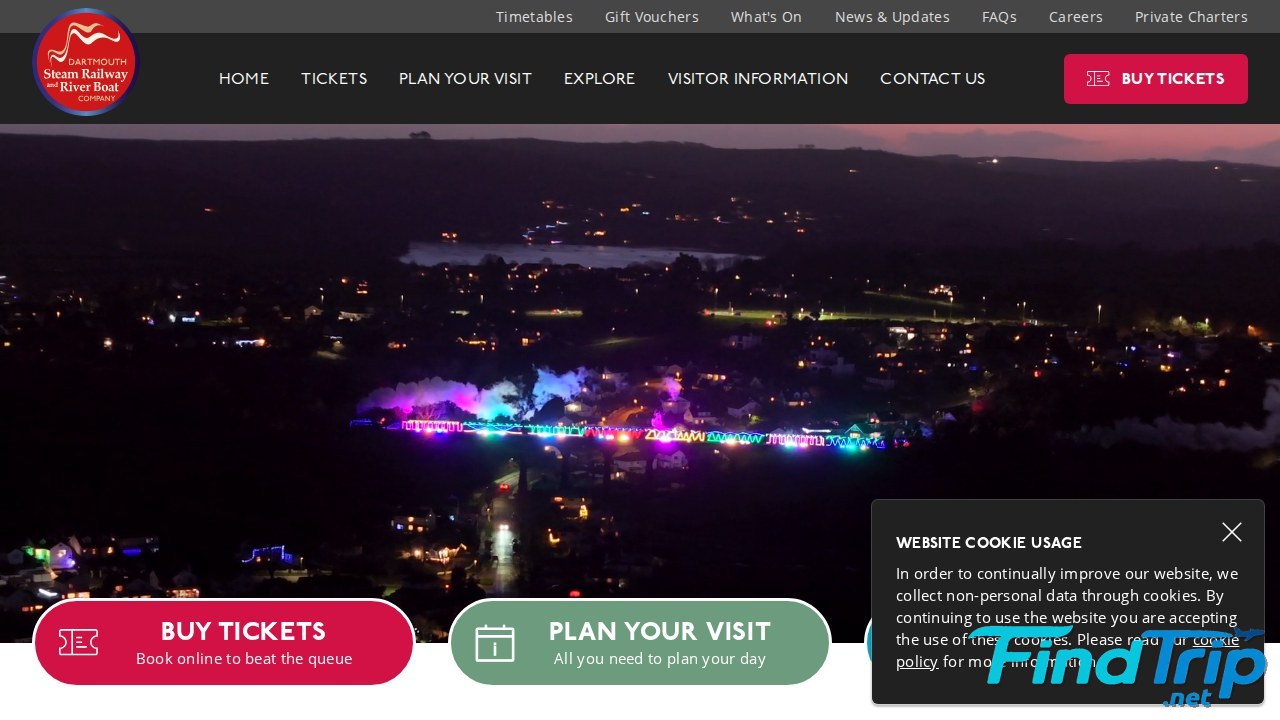
A common point of clarity for travelers planning an excursion is distinguishing between official promotional imagery and the photographs captured by everyday visitors. The stunning visuals featured on official platforms—showcasing sweeping aerial views of heritage trains hugging the coastline, pristine close-ups of locomotive mechanisms, and professionally lit seasonal events like the Train of Lights—are captured by professional photographers for marketing and archival purposes.
These official images serve to help visitors visualize the journey, understand the scope of attractions like the Round Robin tour or the Dartmouth to Totnes river cruise, and appreciate the historic significance of vessels such as the UK's last remaining coal-fired paddle steamer. In contrast, personal photographs taken during your visit will reflect your unique vantage point—whether that is looking out over the River Dart from a carriage window or capturing a fun family moment on deck. Enjoying your own visual record of the day adds a personal touch to your South Devon adventure, perfectly complementing the professional previews found online.
Conclusion
Capturing your experience along the Dartmouth Steam Railway and its connecting river services offers a wonderful way to preserve memories of South Devon's rich transport heritage. By focusing your camera on the breathtaking coastal scenery, historic steam trains, and iconic river boats while remaining mindful of crew workspaces and fellow passengers' privacy, you can enjoy a seamless photography experience. Always observe on-site signage, check with staff if you are unsure about specific areas, and respect operational boundaries to ensure a safe and memorable journey for all.
---