Dartmouth Banking Hub Guide: Queue Times, Services, and Visiting Tips
Plan your visit to Dartmouth Banking Hub at 5-9 Victoria Road. Learn about queue patterns, counter services, community banker schedules, and wait times.
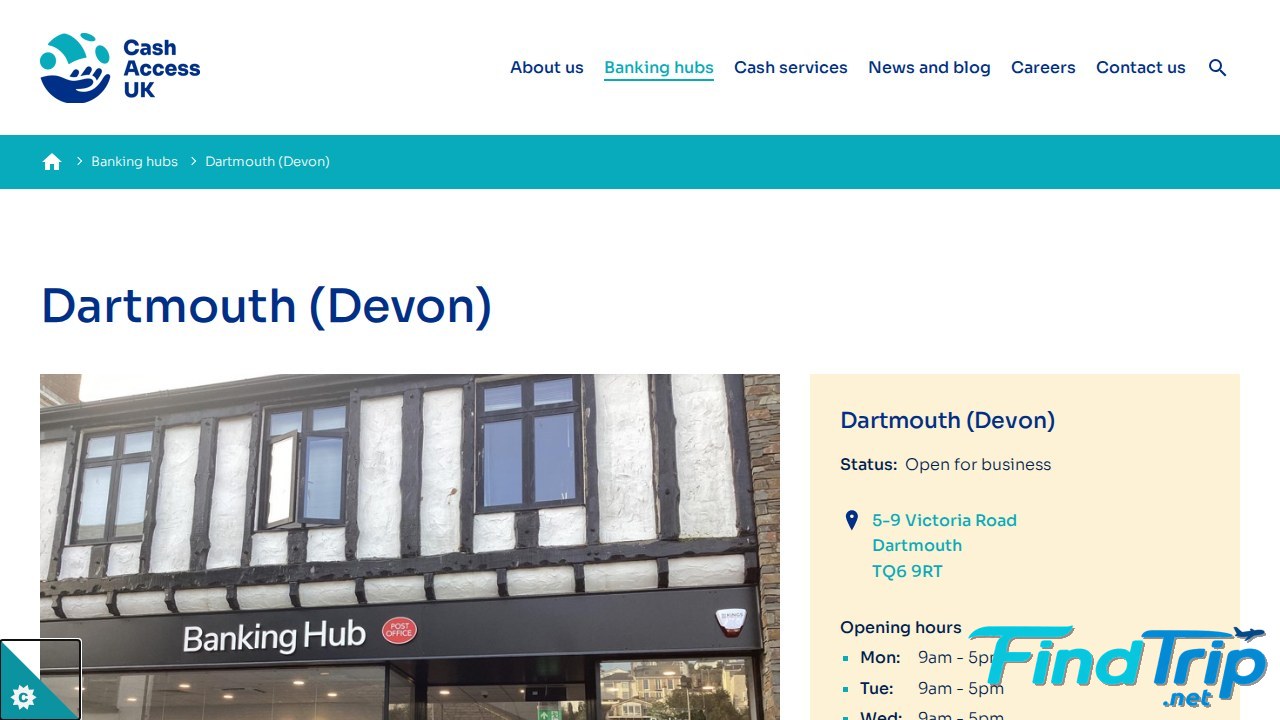
Visiting a physical banking location often brings up questions about how long you will have to wait in line, especially when handling daily financial errands. If you plan to visit the Dartmouth Banking Hub, located at 5-9 Victoria Road, Borough of Torbay, Dartmouth, TQ6 9RT, GB, understanding the flow of visitors and the structure of the facility can help you plan your day more efficiently.
Operating from Monday to Friday, between 9 am and 5 pm, the hub serves customers from various major banks and building societies who need traditional face-to-face services. Because traditional bank branches have largely disappeared from many local high streets, shared community spaces like this one experience steady interest from local residents and business owners alike.
Understanding Queue Patterns and Wait Times
When planning a trip to the Dartmouth Banking Hub, it helps to know what kind of volume to expect. While foot traffic fluctuates depending on the time of day, peak periods typically occur during morning rushes and around standard lunch hours when local workers and retirees manage their errands.
The facility handles two main types of visitors: those using the shared counter service for quick cash and cheque transactions, and those meeting with specific community bankers for more detailed account management. Because the counter service accommodates customers from all major banks and building societies, the queue moves at a steady pace for standard transactions like cash withdrawals, balance checks, and utility bill payments.
However, wait times can vary if you are visiting on a specific day to see a representative from a particular financial institution. For instance, community bankers rotate their availability throughout the week—such as HSBC on Mondays, NatWest on Tuesdays, Lloyds, Halifax, and Bank of Scotland on Wednesdays, Barclays on Thursdays, and Santander on Fridays. If your visit coincides with a popular banker's schedule, you might notice a slightly longer queue for the private consultation areas.
How the Service Flow Works
Unlike traditional banking halls that rely on complex digital ticketing kiosks, the flow at the Dartmouth Banking Hub is straightforward. Upon entering the premises at 5-9 Victoria Road, visitors generally approach the main counter for general cash services or speak with staff members to direct them to the appropriate area.
If you are dropping off cash notes and coins, depositing cheques, topping up gas and electricity meters, or utilizing change-giving services for registered businesses, the counter staff process these requests sequentially.
For more complex inquiries—such as discussing payments, transfers, account management, or learning how to navigate online banking—visitors use a private space to talk face-to-face with a community banker. Keep in mind that community bankers may occasionally be unavailable during standard lunchtime hours to take a break, which can temporarily pause consultations for complex queries even though the main counter remains open.
When to Adjust Your Plans and Alternative Strategies
Knowing when to pivot and change your schedule prevents unnecessary frustration. If you arrive at the Dartmouth Banking Hub and notice a significant queue stretching toward the entrance, take a moment to evaluate your timeline.
- Check the purpose of your visit: If you simply need to check your balance, withdraw cash, or pay a utility bill, the main counter queue usually clears out relatively quickly. Staying in line is typically efficient for these routine tasks.
- Factor in banker schedules: If you are visiting to speak with a community banker from a specific institution (such as the mid-week rotation featuring Lloyds, Halifax, and Bank of Scotland), arriving closer to the morning opening time of 9 am can help you avoid afternoon delays.
- Watch out for lunchtime pauses: Remember that community bankers take a well-deserved break during midday. If you arrive during this window for a complex consultation, you may experience a wait until the advisor returns.
- Consider timing for business needs: Registered business owners collecting change should aim for off-peak hours to ensure quick processing without holding up routine individual transactions.
If the wait appears too long for your schedule, or if you arrive on weekends or Bank Holidays when the hub is strictly closed, you may need to postpone your visit or utilize digital banking alternatives provided by your specific bank. Services and transaction limits can vary significantly across different financial institutions, and some banks may apply charges for specific transactions, so reviewing your provider's terms ahead of time is always wise.
Productive Ways to Utilize Your Time While Waiting
If you find yourself in a queue at the Dartmouth Banking Hub, preparing your documents in advance ensures that once you reach the counter or the advisor's desk, your transaction is handled swiftly.
- Organize your physical items: Have your cash neatly counted, cheques filled out and signed, or utility bills and payment cards readily accessible in your hands rather than searching through a bag at the counter.
- Review account details: If you are checking your balance or making a deposit, have your debit card, account number, or required identification ready.
- Prepare your questions: For those waiting to speak with a community banker in the private consultation space, jot down your specific questions regarding payments, transfers, or online banking setup so you make the most of your face-to-face time.
- Verify transaction limits: Use the waiting time to double-check whether your specific bank imposes daily withdrawal limits or special conditions for coin deposits and business change services.
Conclusion
Navigating the Dartmouth Banking Hub at 5-9 Victoria Road becomes much simpler when you understand its operating hours, counter capabilities, and community banker rotations. By planning your visit around peak hours, preparing your paperwork beforehand, and keeping an eye on staff break times, you can complete your financial errands efficiently and return to your day without unnecessary delays.