Burger King State Route 211 Middletown Dietary Guide
Essential guide to managing allergies, vegetarian options, and dietary needs at Burger King on 281 State Route 211 East in Middletown, US.
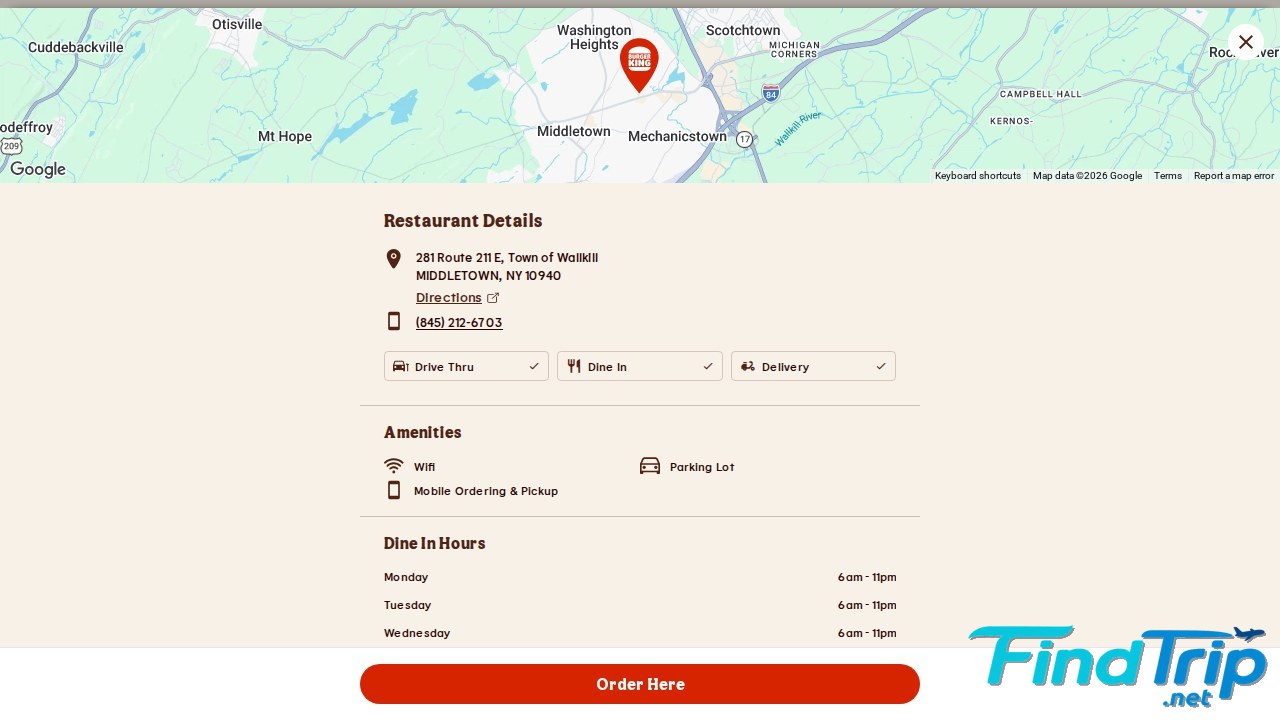
Stopping for a quick bite at Burger King located at 281 State Route 211 East, Amity, Middletown, US is a practical choice when traveling through Orange County or running errands along the commercial corridor. However, if you are managing specific dietary restrictions, food allergies, or a vegetarian lifestyle, fast-food stops require a bit more planning.
When reviewing basic store locator details for this specific location, comprehensive allergy guides, real-time local ingredient breakdowns, and daily kitchen preparation protocols are not detailed directly on the landing page. While national menu standards offer a general framework—such as the availability of plant-based burgers or customizable sandwich builds—local operational realities can vary. Understanding how to handle dietary requirements at this specific Middletown branch ensures you can make safe, informed choices without relying on assumptions.
---
Navigating Dietary Needs at Burger King
Fast-food kitchens operate at high speed, which makes clear communication essential if you have dietary restrictions. Whether you are avoiding meat, managing lactose intolerance, or navigating severe food allergies, knowing what to expect from the standard menu setup helps you order effectively.
Vegetarian and Plant-Based Considerations
Burger King is widely recognized for introducing plant-based options like the Impossible Whopper across its US stores. While this offers a convenient alternative for those choosing a meatless meal, vegetarians and strict vegans should keep several operational details in mind:
- Shared Broiler Preparation: By default, plant-based patties are typically cooked on the same flame-broiler equipment as beef and poultry. For strict vegetarians or vegans concerned about cross-contact with meat juices, you must explicitly ask the crew for non-broiled or microwave preparation, if available at this location.
- Sauces and Dressings: Standard burger builds often come with egg-based mayonnaise or dairy-based sauces. Customizing your order to hold the mayo or cheese is necessary to keep the sandwich plant-based.
- Sides and Snacks: Items like French fries and hash browns are often cooked in dedicated vegetable oil, but fryer sharing can vary by location depending on kitchen size and peak-hour demands.
Food Allergies and Intolerances
The most common food allergens found in quick-service burger chains include wheat/gluten, milk, soy, eggs, sesame, and mustard. If you suffer from an allergy or severe intolerance, consider the following key areas:
| Dietary Concern | Potential Menu Triggers | Modification Strategy |
| :--- | :--- | :--- |
| Gluten / Wheat | Buns, specialty coatings, toasted breakfast items, fried sides | Request a "no-bun" or lettuce-wrap style burger. Avoid fried items due to shared fryer equipment. |
| Dairy / Lactose | American cheese, specialty sauces, milkshakes, desserts, brioche-style buns | Specify "no cheese" and "no sauce." Stick to basic cold beverages or black coffee. |
| Egg Allergy | Mayonnaise, specialty dipping sauces, breakfast egg patties, bakery items | Omit mayo and egg patties; verify bun ingredients prior to ordering. |
| Soy Allergy | Vegetable cooking oils, plant-based patties, processed cheese, bread dough conditioners | Review the brand's national allergen matrix, as soy derivatives are common in buns and oils. |
---
How to Ask When Ordering at the Counter or Drive-Thru
When you pull up to the drive-thru or step up to the counter at 281 State Route 211 East in Middletown, clear and concise language is your best tool. Fast-food employees work under strict time metrics, so straightforward inquiries help the team assist you accurately.
Practical Scripts for Common Dietary Requests
To avoid miscommunication during peak meal hours, use direct phrasing when placing your order:
1. For Cross-Contact and Broiler Inquiries (Vegetarian/Vegan):
> "I would like to order the plant-based burger, but I do not consume meat products. Could you tell me if the patty is cooked on a shared grill with beef, and can it be prepared separately today?"
2. For Severe Food Allergies:
> "I have a severe [allergy name, e.g., dairy/sesame] allergy. Could you please check if [item name] contains this ingredient, and can the team change gloves before assembling my meal?"
3. For Gluten Sensitivities:
> "I cannot eat gluten. Can I order a burger served in a bowl or wrapped in lettuce without a bun? Also, are the fries prepared in a dedicated fryer, or do they share oil with breaded chicken?"
Checklist for Clear Communication at the Register
Before paying for your meal at the Middletown location, go through this quick mental checklist:
- Specify your restriction clearly: State whether it is a lifestyle preference or a strict medical allergy.
- Ask about hidden ingredients: Double-check items like sauces, marinades, and bun glazes that may contain dairy, soy, or egg.
- Confirm fryer setup: Ask if side dishes share fryer oil with breaded items like chicken nuggets or fish fillets.
- Inspect your order before leaving: Open wrapper packages at the counter or drive-thru window to verify that requested modifications (e.g., "no mayo," "no cheese") were correctly executed.
---
Missing Information: Why You Must Ask and Never Guess
It is tempting to rely on third-party food blogs, outdated menu listings, or personal assumptions when ordering fast food. However, ingredient formulations, vendor suppliers, and kitchen practices change periodically. Because specific store-level dietary sheets are not fully published on basic web directory entries, you should never guess about allergen safety.
The Risk of Fast-Food Cross-Contact
In a high-volume kitchen environment like Burger King, cross-contact is an inherent risk. Small particles of cheese, sesame seeds from toasted buns, or traces of gluten from breaded items can easily transfer across prep boards, warming trays, and utensil wells.
- Shared Surfaces: Cutting boards, spatulas, and holding trays are routinely shared among different menu items during rush hours.
- Airborne Flour and Dusting: While fast-food kitchens do not typically bake bread on-site, sesame seeds and crumb toppings can drift into open prep lines.
- Staff Turnover and Training: Counter staff may not always have instant memory of every ingredient in complex sauces or dough blends.
Step-by-Step Guidance for Verifying Unclear Information
When details are missing from printed or online sources, follow these steps to protect your health:
1. Consult Official Digital Portals: Access the official Burger King website (bk.com) or mobile application. The brand maintains an updated PDF ingredient and allergen matrix covering core menu items across the United States.
2. Speak with the On-Duty Manager: If counter staff seem unsure about an ingredient or kitchen process, politely request to speak with the shift supervisor at the 281 State Route 211 East location. Shift managers generally have direct access to internal product spec sheets.
3. Keep Backup Plans Ready: If you have an anaphylactic reaction risk to common ingredients like peanuts, tree nuts, milk, or eggs, and the crew cannot guaranteed zero cross-contact during busy hours, consider opting for pre-packaged beverages or plain, unmodified items.
4. Self-Verify Packaging Labels: For packaged condiments (such as ketchup packets, dipping sauces, or salad dressings), read the ingredient list printed directly on the back of the foil packet before consuming.
---
Summary and Key Takeaways for Middletown Diners
Dining out with dietary restrictions requires a balance between convenience and proactive verification. Burger King at 281 State Route 211 East in Middletown provides customized options for guests seeking meatless alternatives or basic meal modifications, but safety relies on explicit communication.
- Never assume ingredient safety: Always double-check current allergen matrices via the official website or mobile app.
- Communicate clearly at the point of sale: Inform crew members of strict allergies so they can take appropriate precautions, such as changing gloves or using clean utensils.
- Verify non-broiled preparation: If you require a strict vegetarian meal, request separate heating methods for plant-based patties.
- Inspect your meal: Check your customized order before leaving the drive-thru window or counter to ensure all omitted ingredients were left off.
By taking a proactive approach and asking the right questions, you can comfortably navigate the menu and enjoy a meal tailored to your dietary requirements.
---