Alfred Ceramic Art Museum: Visitor Guide for Solo, Group, and Casual Trips
Plan your visit to the Alfred Ceramic Art Museum at 213 Pine St. Explore tips for solo researchers, organized groups, and casual visitors.
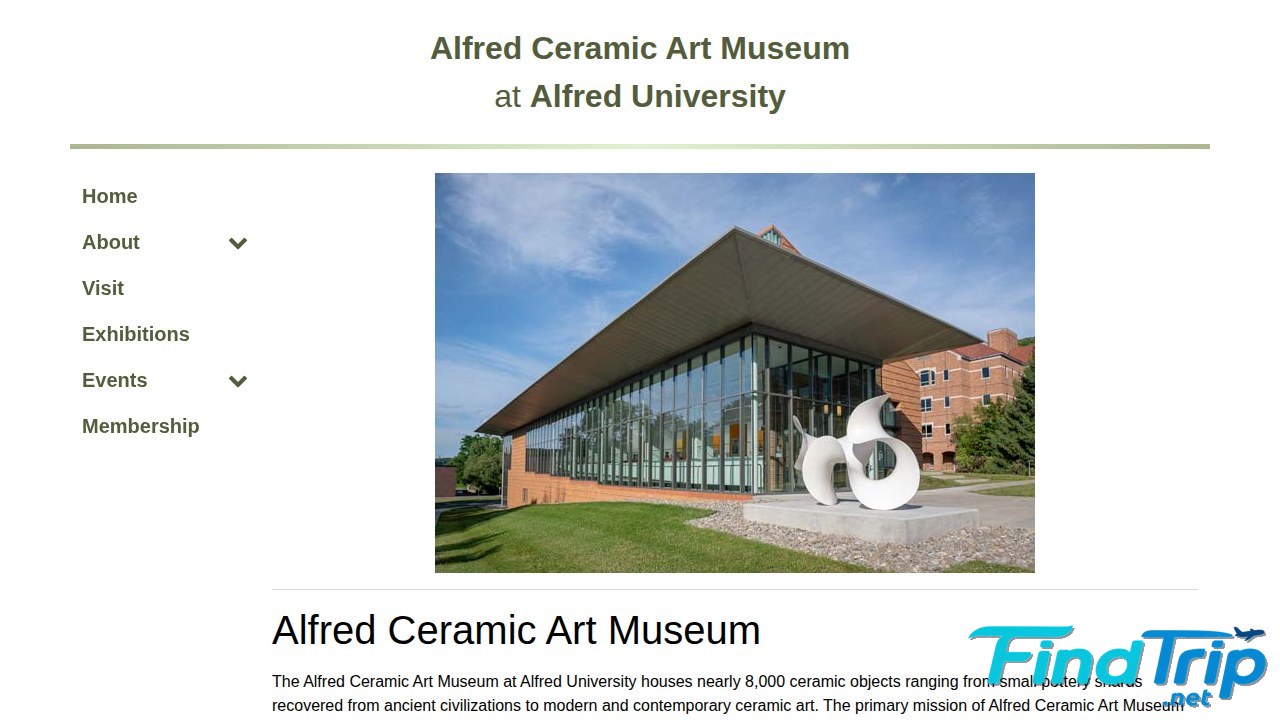
Situated on the northeast corner of Main and Pine Streets in the quiet college town of Alfred, New York, the Alfred Ceramic Art Museum represents one of the most comprehensive institutions in the United States dedicated exclusively to the study, preservation, and exhibition of ceramic arts. Located on the campus of Alfred University at 213 Pine Street, Alfred, NY, this museum holds a collection of nearly 8,000 ceramic objects. The holdings range from ancient pottery shards recovered from early human civilizations to cutting-edge contemporary ceramic sculptures crafted by international master artists.
While the museum’s core mission focuses on collecting, preserving, researching, and interpreting ceramic art for aesthetic and educational purposes, the practical experience of visiting varies significantly depending on who you are. A professional ceramic artist seeking deep technical research will require a completely different strategy than an organized student group or a casual road-tripper passing through Western New York. Because the facility functions simultaneously as an academic research center and a public gallery space, matching your visit strategy to your personal traveler profile is essential for a rewarding trip.
---
1. Solo Visitors, Ceramic Artists, and Academic Researchers
For the individual traveler, visiting studio artist, or academic researcher, the Alfred Ceramic Art Museum serves as a quiet, deeply inspiring haven. Solo visitors often come with specific technical or aesthetic intentions—whether that involves examining glaze chemistry, analyzing historical vessel forms, or studying the sculptural boundaries of modern clay bodies.
What Solo Visitors Need and What Fits Best
Solo visitors generally prioritize quiet observation, unhurried contemplation, and access to detailed context. The museum excels in these areas through its secondary-level main gallery space and its academic orientation.
- Depth of Collection: With nearly 8,000 items in its overall archive, the museum’s breadth allows solo visitors to trace the historical continuum of ceramics—from functional ancient artifacts to high-concept contemporary installations.
- Focused Viewing Environment: Unlike larger, highly congested metropolitan art museums, the atmosphere at 213 Pine Street is typically peaceful. Solo visitors can spend extended periods examining subtle surface textures, firing techniques, and structural details without feeling rushed.
- Virtual and Scholarly Resources: For those conducting research, the museum occasionally provides digital extensions, such as virtual tours of major historical exhibitions (for example, the History: A Legacy in Motion showcase), allowing visitors to cross-reference physical works with high-resolution digital imagery and extended artist texts.
Potential Drawbacks and Preparation Advice
The primary limitation for solo researchers and serious ceramic enthusiasts is that access to the full permanent collection storage is strictly by appointment only. The open-to-the-public areas primarily consist of the main gallery space on the 2nd floor, which features rotating exhibitions rather than a permanent display of all 8,000 objects.
- Pre-Visit Planning: If your goal is to examine specific historical artifacts or items not currently on display in the main gallery, you must contact the museum well in advance (via phone at 607-871-2421 or through official email channels) to request a research appointment.
- Exhibition Schedules: Because public access centers on active exhibitions—such as solo feature showcases like Paula Murray’s Resilience or Paolo Porelli’s Figure Out: Catastrophe or Regeneration—solo visitors should check the current exhibition schedule on the official website before traveling. Arriving during an exhibition changeover may limit what you can view.
---
2. Educational Groups, Families, and Community Workshop Participants
Visiting the museum as part of a group—such as a university seminar class, an art guild, a school field trip, or a family group—presents distinct advantages, alongside unique logistical requirements.
What Group Visitors Need and What Fits Best
Groups usually require structured narratives, educational guidance, interactive elements, or predictable scheduling. As a teaching and research facility embedded within Alfred University, the museum is uniquely equipped to handle educational outreach.
- Targeted Educational Content: Exhibition curations frequently address broader human, environmental, and philosophical themes alongside artistic technique. For instance, installations exploring themes of fracture, healing, environmental precariousness, or pop-cultural references offer rich group discussion points for students of art history, sociology, and environmental studies.
- Hands-on Community Workshops: For families and community groups seeking interactive engagement, the museum periodically sponsors public events outside its standard gallery space. Programs like the ACAM Kid's Clay Workshop (held at local venues such as the Alfred Farmers Market on the Brick Hall Lawn) allow participants of all ages and skill levels to learn basic handbuilding techniques—such as pinching pots, rolling coils, or constructing simple cups and vases—under the guidance of museum staff.
- Artist Talks and Lectures: Groups can align their visits with scheduled public events, such as the museum’s Perkins Lecture series or panel discussions featuring visiting artists, which provide context directly from the creators.
Potential Drawbacks and Preparation Advice
Group dynamics require coordination, particularly regarding space and scheduling within an academic building.
- Appointment Requirements for Group Tours: Unannounced large groups can easily overwhelm gallery spaces or conflict with university class schedules. Guided tours or structured group walkthroughs of the collection must be arranged by appointment.
- Clay Firing and Pickup Logistics: For families participating in hands-on workshops, clay pieces typically require drying and firing time before they can be taken home. Participants must arrange to pick up their finished pieces from the museum front desk at a later date, which requires local proximity or a follow-up trip.
- Facility Hours: Operating hours for public gallery visits can vary depending on the university calendar and active exhibition schedules. Group leaders should directly verify current open hours with the museum office prior to setting travel dates.
---
3. Casual Travelers, Road-Trippers, and Regional Out-of-Town Visitors
The third major group of visitors consists of casual travelers—people exploring Allegany County, parents visiting students at Alfred University, or regional road-trippers traveling through southern New York who want a brief, high-quality cultural detour.
What Casual Visitors Need and What Fits Best
Casual travelers generally look for clear physical orientation, manageable visit durations (around 45 to 90 minutes), and visually compelling exhibits that do not require a deep background in ceramic engineering or art theory to appreciate.
- Convenient Central Location: The museum’s position at the corner of Main and Pine Streets makes it extremely easy to locate when walking through downtown Alfred or navigating the university campus.
- High-Impact Rotating Exhibitions: The 2nd-floor main gallery is designed to showcase world-class contemporary art. Exhibitions often feature striking, wildly imaginative sculptures—ranging from delicate, fractured forms to bizarre, mythological figure menageries—that are visually captivating for general audiences.
- Complementary Town Experience: A casual visit to the museum pairs effortlessly with exploring downtown Alfred, visiting local markets, or walking around the historic university grounds.
---
Choosing the Best Strategy for Your Visit
Because the Alfred Ceramic Art Museum operates without a generic, static display layout, your satisfaction depends almost entirely on aligning your expectations with your visitor category:
- If you are going solo: Prioritize research depth. Check current exhibition dates online ahead of time, and if you require access to archived pieces outside the active 2nd-floor gallery, reach out to staff to request an appointment.
- If you are going as a group or family: Check the museum's event calendar for hands-on activities like the Kid's Clay Workshop or artist talks. If bringing a class or community group to the gallery space, call 607-871-2421 to schedule your tour in advance.
- If you are a casual passerby: Treat the museum as an engaging cultural stopover. Confirm that the main gallery is actively open between exhibition cycles, stroll through the 2nd-floor exhibition space, and enjoy one of the nation's premier ceramic art collections right in the heart of Allegany County.
Because admission details, specific daily opening hours, and seasonal gallery closures vary throughout the academic calendar, all visitors are strongly advised to verify current schedule details on the official museum website (`ceramicsmuseum.alfred.edu`) or contact the administrative staff directly before arriving at 213 Pine Street.
---