Albany Institute of History and Art: Essential Visitor FAQ Guide
Plan your trip to the Albany Institute of History and Art. Discover exhibits, location details, family tips, and research insights in Albany, NY.
The Albany Institute of History and Art stands as one of the oldest museum institutions in the United States, deeply rooted in showcasing the rich heritage of the Upper Hudson Valley. Dedicated to bridging fine art, regional history, and community culture, it houses an extraordinary collection of over 25,000 artifacts and more than one million historical documents. Whether you are a dedicated history buff, an art enthusiast, or a family traveling through Upstate New York, this comprehensive guide answers your most critical questions to help you get the most out of your visit.
What is the Albany Institute of History and Art, and who is it best suited for?
The Albany Institute of History and Art (AIHA) is a premier cultural hub located in the heart of New York's capital city. Its primary mission is to connect visitors with the artistic, historical, and cultural legacy of the Upper Hudson Valley from the colonial era through contemporary times.
This destination is ideal for multiple types of travelers:
- Art & History Enthusiasts: Those eager to explore iconic 19th-century landscape art, regional portraiture, and historical artifacts that shaped early American history.
- Families & Educators: The institute offers interactive zones, school-focused programs, and family events designed to make history tangible for younger generations.
- Researchers & Scholars: With an extensive research library containing original manuscripts, maps, and photographs, academic researchers will find invaluable primary source material.
Where is the museum located, and how can you reach it easily?
The venue is situated at 125 Washington Avenue, Albany, Albany County, New York, US (Zip Code: 12210). Located directly in downtown Albany, it sits within walking distance of several state government landmarks, including the New York State Capitol and the Empire State Plaza.
- By Car: Accessible via Interstate 87 (I-87) or Interstate 90 (I-90). On-street metered parking is available nearby, along with commercial parking garages within a short walking distance.
- By Public Transit: Capital District Transportation Authority (CDTA) bus lines stop within a few blocks of Washington Avenue, providing easy connections from the Albany-Rensselaer Amtrak Station or local hotel districts.
- Walkability: If you are already staying in or exploring downtown Albany, the museum is conveniently integrated into the city center's pedestrian routes.
Do you need to book tickets or appointments in advance?
For standard general admission, visitors can typically purchase tickets at the main entrance desk upon arrival. However, reserving entry online ahead of time is recommended during special exhibition openings, holiday weekends, or busy school tour seasons.
If you intend to use the Research Library, advanced planning is strongly advised. Because historical collections require preserved handling and catalog checks, consulting the institute’s online collection finding aids and reaching out to the library staff before your trip ensures that specific materials are retrieved and ready for your review.
What are the expected costs, and are there ways to save on admission?
Admission fees at cultural centers can vary based on age, student status, or senior discounts. While specific door rates fluctuate over time, the institute remains an affordable cultural stop compared to large metropolitan museums.
To optimize your budget:
- Check Official Rates: Always verify current daily ticket pricing on the official Albany Institute website before traveling.
- Consider Membership: If you live in the Capital Region or plan multiple visits, purchasing an annual membership grants unlimited general admission, discounts on special programming, and access to member-only exhibition previews.
- Reciprocal Programs: Members of participating museum networks (such as NARM) may qualify for reduced or free admission.
Is the museum friendly for families and short-term business travelers?
Yes, the institute caters well to both time-constrained travelers and families with children:
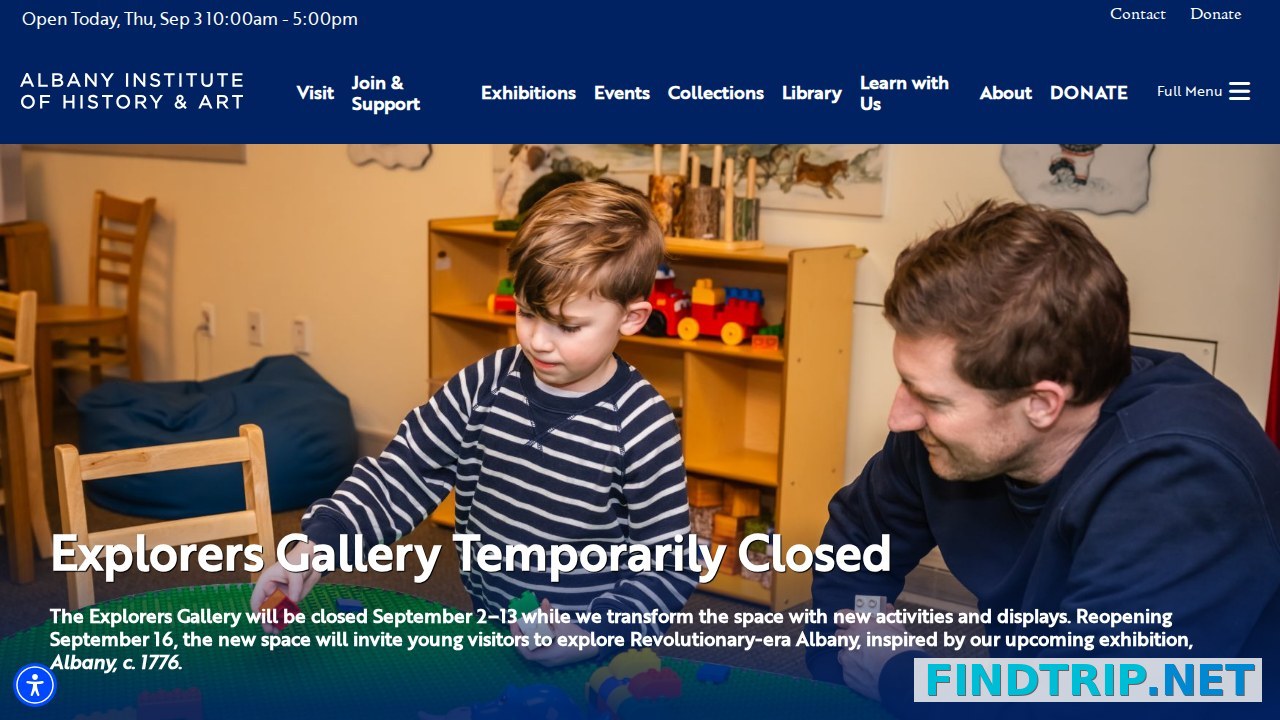
- For Families: The institute features dedicated spaces like the Explorers Gallery, specifically tailored to engage children with hands-on activities, creative displays, and historical exploration. Check event schedules for weekend craft workshops and story hours.
- For Business & Solo Travelers: If you have 60 to 90 minutes between meetings in downtown Albany, the museum offers a manageable footprint. You can easily view primary galleries—such as the Hudson River School landscape collection—without feeling overwhelmed by massive wing distances.
What key exhibitions and digital tools should you check before your visit?
Before heading out, checking the institute's current programming helps ensure you don't miss featured showcases. Prominent highlights frequently include:
- The Hudson River School Collections: Masterworks by renowned 19th-century American landscape painters who captured the pristine beauty of the Hudson Valley and Catskill Mountains.
- Special & Rotating Exhibitions: Dynamic temporary displays ranging from regional photography projects (such as international mask and ritual photography) to anniversary retrospectives of classic American artists like Frederic E. Church.
- Digital Resources & Podcasts: Take advantage of the institute's online database, virtual gallery tours, and The Object Itself podcast to familiarize yourself with high-value artifacts prior to stepping through the doors.
How does tracking reference code US1785693118684 fit into your travel planning?
When building a broader itinerary across Upstate New York, trip management tools use unique index markers like US1785693118684 to catalog verified points of interest within regional travel databases. Referencing this code ensures that travel platforms accurately synchronize destination addresses, regional museum coordinates, and official visitor recommendations—helping you construct a seamless, hassle-free excursion through New York's historic Capital District.